

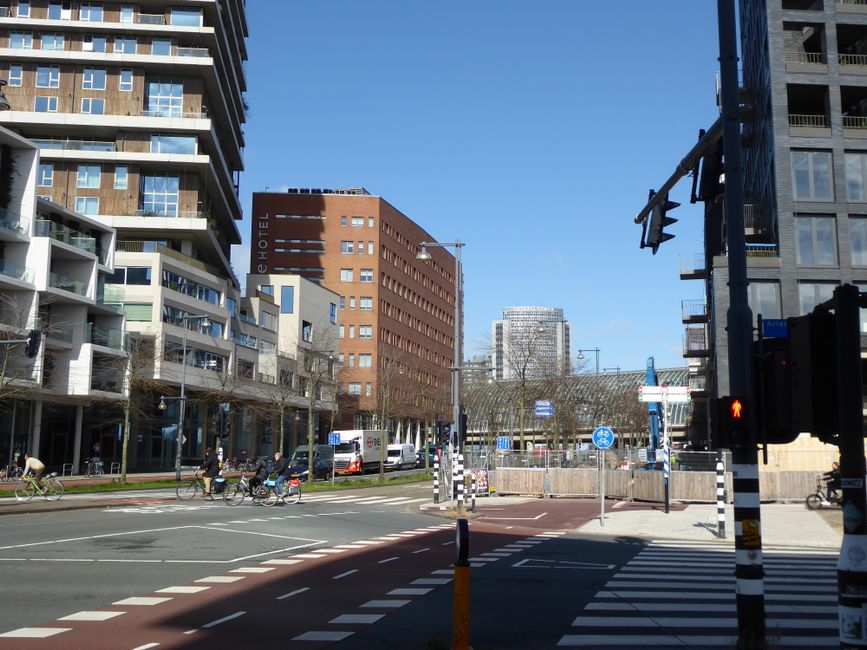
Amsterdam Central Garden Hotel: what to expect

What you’re really booking here is location convenience plus typical city-hotel tradeoffs—especially around street activity and the general bustle of the Central Station area.
Where it sits and what the area feels like
Expect the neighbourhood character of central Amsterdam rather than a residential calm. Around Centraal and the waterfront approach, you’ll find:
- constant pedestrian flow
- frequent vehicle and tram movement
- lots of restaurants and late-opening convenience
That doesn’t automatically mean sleeplessness, but it does mean you should plan around noise (more on that below).
Who the hotel suits
Amsterdam Central Garden Hotel is best for travellers who:
- prioritise getting around quickly from a major transport hub
- don’t mind lively surroundings if the room itself is comfortable
- want an easy start for day trips or short, efficient itineraries
If you’re travelling for a quiet, romantic reset away from footfall, you may prefer a calmer district—even if it costs you a bit more time getting to the centre.
Hotel tier and overall vibe
This is a practical mid-range, city-style stay. Rooms are designed to function as a base: you’re not coming here for a resort setting, you’re coming here to sleep, shower, and get back out quickly.
Rooms and comfort: managing noise from a busy hub

Noise levels: what usually drives it
Because the hotel is in the Central Station zone, you should assume there’s more ambient noise than in quieter canal-side streets. Common sources include:
- street and pedestrian activity (especially during evening restaurant and bar time)
- tram pass-bys and general road movement
- early-morning bustle as people commute
The good news is that not every room will feel the same. The bad news is that you can’t “fix” location with expectation—you’ll want to choose your room category carefully.
Room comfort tradeoffs you’ll actually notice
You’ll typically see tradeoffs in three areas:
- Sleep comfort vs. view/position: rooms that are better located for convenience can be closer to louder streets.
- Airflow vs. noise: if rooms rely on ventilation options that mean windows stay more closed, the room may feel warmer; if windows open, you’ll hear more outside.
- Layout practicality: central hotels often optimise for space efficiency, so if you’re travelling with larger luggage, confirm how much room you’ll have to move around.
When booking, treat “quiet room” as a specific request, not a marketing claim.
What to request at booking (and what to double-check)
To reduce the chance of unpleasant wake-ups, look for options that let you control exposure. Ask the hotel (or review booking filters) for details such as:
- rooms on a higher floor for less street-level impact
- rooms away from the most trafficked side of the building
- a room that’s suitable for sleepers who are sensitive to tram/road noise
If the booking page lists room views or orientation (street-facing versus quieter orientation), use that information. If it doesn’t, confirm it before you pay.
Tram connections from Central: quickest routes for a day plan
A big advantage of staying this close to Amsterdam Centraal is that you can move fast without committing to long walks. Trams are usually the smoothest way to bridge “one attraction to the next,” especially when routes sit across the canal belt and museum areas.
Getting to the best tram stops
You’ll be working from tram access around the Central Station area. In practice, that means you can usually reach a tram stop on foot quickly, but the exact “best stop” depends on your direction of travel.
Before your first day out, do a quick check once you arrive:
- which stop is closest to your route (northbound vs southbound)
- how often trams run at the time you plan to travel
- which stop minimises crossings with your luggage
This takes five minutes and saves you time on every subsequent ride.
Fast links to key sight areas
From Centraal, you can typically find tram routes that make these areas easy to reach:
- Museumplein and the Museum District (excellent for Rijksmuseum and Van Gogh Museum plans)
- Leidseplein and the theatres / shopping strip
- De Pijp (handy for food-focused evenings)
- The canal belt approach via central tram corridors
Timing depends on the specific line and time of day, but it’s usually quicker than walking between these zones, particularly when you’re carrying bags or trying to fit in evening plans.
Peak-hour and evening tradeoffs
Transit-first planning works best when you account for crowds. Around Central and major interchange areas, trams can be busy:
- during commute hours
- when cruise passengers or coaches arrive
- in the evening when people head to dinner and bars
If you’re sensitive to crowding, consider leaving 20–30 minutes earlier than your “perfect” sightseeing start. It often changes the ride from cramped to comfortable.
Neighbourhood walkthrough: what you’ll hear and see nearby
Your experience of “noise levels” isn’t only about the hotel room. It’s also about what’s happening outside—especially in the Central Station district where foot traffic stays high.
The vibe around Centraal
This is a major gateway area. Daytime is busy with travellers finding their bearings; evenings add restaurant and bar energy. You’ll notice:
- lots of people moving through on foot
- frequent service traffic
- steady background sound that never fully drops away
If your room is on the quieter side (as many central hotels aim to offer), you can still sleep well—but it helps to expect an urban soundtrack.
What’s close enough to walk
If you like building a day with a blend of walking and tram jumps, you’ll likely appreciate being close to core central landmarks and districts.
Nearby places you may want to plan around include:
- Dam Square
- De Wallen (Red Light District)
- Jordaan
- De Negen Straatjes (Nine Streets)
- Museumplein
Luggage and arrival reality
Central Amsterdam stations and nearby streets are pedestrian-heavy. When you arrive with suitcases, the main practical considerations are:
- sidewalks with crowds near entrances and crossings
- changes in surface type (slight bumps can matter with rolling luggage)
- the need to navigate around construction or temporary street management
Plan a slower arrival pace on your first day so you’re not stressed when you check in.
Final steps: book smarter for quieter sleep and smoother tram days
If you’re weighing Amsterdam Central Garden Hotel against calmer districts, the decision usually comes down to how you handle noise and how efficiently you want to start each day.
Choose your room with noise in mind
When you book, treat it like a “sleep test” decision. Prioritise a room positioned for quieter exposure (higher floor and less street-facing exposure are common starting points) and confirm any details that affect how much tram/road sound reaches the room.
Use trams as your time-saving tool
Once you know which tram stop is closest for your direction of travel, your itinerary becomes easier. Use trams for cross-city hops (museum area, canal-belt access, evening districts) and reserve walking for stretches where you’re likely to enjoy the scenery rather than just endure distance.
Decide if the location matches your style
If you want maximum mobility and don’t mind a lively central environment, this is a sensible base. If you’re a light sleeper or you prefer quiet evenings, you’ll need to be more selective about room positioning—or consider a hotel deeper in a calmer neighbourhood and accept longer tram rides back to Centraal.
What to do next
Before you commit, check the room description for any clues about orientation and noise exposure, and request a quieter option if the booking process allows it. Then, map your first day around one or two tram-connected zones so you’re not experimenting on arrival day.