

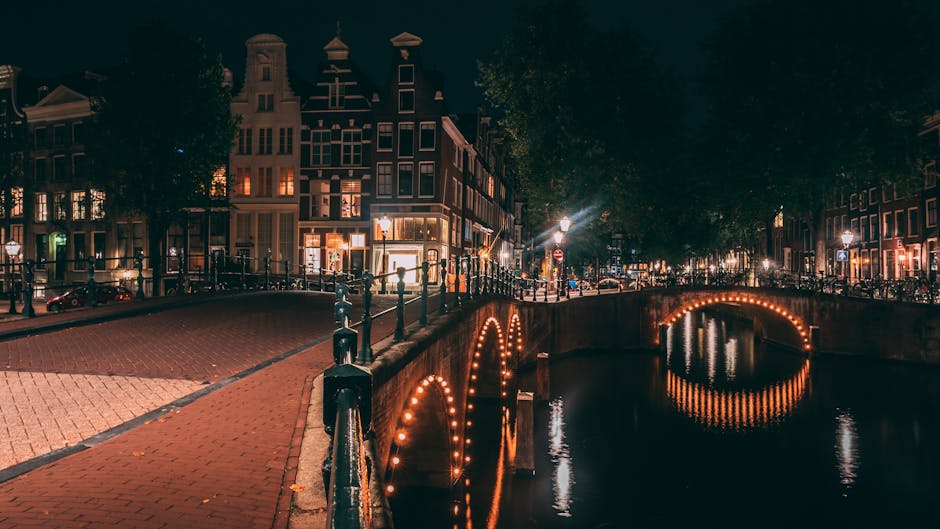
Planning a self-guided Amsterdam weekend works best when you think in “zones”, not wish lists. Your goal is simple: cluster museums that sit near each other, then stitch the gaps together with canal views and short walks.
This routing strategy keeps you out of long transfers, balances indoor and outdoor time, and makes it easier to book timed entries where they matter.
Start With a Routing Map: Museum Days Follow the Same Shape
Amsterdam is compact enough that you can do a lot in two days, but it’s easy to waste time if every stop is in a different direction. Before you pick tickets, sketch your weekend as two loops.
Pick one museum cluster for the first day
Begin with a concentration of big-name art institutions. For a museum-heavy Day 1, anchor your route around:
- Rijksmuseum
- Van Gogh Museum
- Stedelijk Museum
Because these are the kind of places that attract timed entry demand, treating Day 1 as a single “arrival and drift” block helps. You’ll typically have your best experience if you can move from one museum to the next without recalculating your route every 20 minutes.
Choose a canal-side stopping point
To make the canals part of your plan (not an afterthought), pick a base that lets you reach the Canal Belt on foot. You don’t need waterfront lodging to benefit—being able to walk there quickly is what matters.
Use “Canal Belt” as your visual compass: aim to end each day where the water views are strongest, then plan a final short stroll rather than another museum.
Set a realistic pace: mornings for tickets, late afternoons for wandering
A museum-and-canals weekend runs best when you front-load indoor time. In practice:
- Start museums in the earlier part of the day.
- Keep late afternoon more flexible for canal walks, snacks, and low-stress photo stops.
- Don’t schedule back-to-back ticketed experiences without buffer time.
If you try to pack in more than three major museums across two days, you’ll feel rushed—and you’ll miss the slower Amsterdam rhythm that makes canal routes worth it.
Day 1: Three Museums in a Row, Then a Night Canal Cruise
Day 1 is built like a straight line: museums first, then water. That order matters because the late-day light and evening atmosphere make the “canals” half feel like a reward.
Museum cluster: Rijksmuseum → Van Gogh Museum → Stedelijk Museum
A common approach is to stagger your entries so you don’t spend your whole morning arriving, finding coat areas, and settling in. Treat each museum like a separate chapter:
- Rijksmuseum: give it time for highlights rather than trying to see everything.
- Van Gogh Museum: plan your “must-see” works ahead so you don’t burn energy on wandering.
- Stedelijk Museum: assume it can be a different mood than the two art giants before it, so take a short break between.
Tip for the logistics side: you’ll move faster if you decide in advance where you’ll take a coffee break and where you’ll pause for a quick lunch. This is one of the easiest ways to reduce fatigue without changing your itinerary.
End with a Canal cruise when the city lights up
Finish Day 1 on water with a “Canal cruise”. It’s the clearest way to link your museum route to the city’s visual identity.
For timing, aim for a departure that lands you on the water after sunset (even in shoulder seasons). The views tend to feel more complete when you’re not fighting glare, and evening cruises also help you transition out of “museum brain” into “city mode”.
Keep Day 1 simple after the cruise
After the cruise, plan a low-effort evening. You’re not trying to add another headline attraction—you’re trying to close the loop.
A good rule: stop at one convenient place for dinner, then choose between a short canal-side stroll (if you still feel fresh) or an early night.
Day 2: One Iconic Historic House, One Big Pairing, Then a Neighbourhood Walk
Day 2 should feel more varied: a historic stop, a choice-based second block, and then a neighbourhood loop that ties the canals to everyday life.
Start with Anne Frank House, then shift to canal views
Begin with Anne Frank House, because this is the type of entry that often sells out or gets booked early during busy periods. Once you leave, build in time to reset before you go back into crowds.
As you move through the afternoon, make space for canal views around the Canal Belt. You’re already paying for a “history indoors” moment; the outdoor part should feel like a gradual change of pace, not an immediate second commitment.
Pair your second block with Heineken Experience or NEMO
For the second major block, choose one pairing—don’t force both. Two strong options:
- Heineken Experience
- NEMO
Which to pick depends on what you want from the weekend:
- If you prefer a structured, modern attraction with a clear narrative, go with Heineken Experience.
- If you want an interactive break that changes the tone from traditional museums, pick NEMO.
A helpful routing trick: book your second block so you can still have a long canal-side walk afterwards. That way, even if the morning was intense, the afternoon ends gently.
Add a market OR a neighbourhood loop: Albert Cuyp Market or Jordaan
For your late afternoon, you can keep it flexible by choosing one of these:
- Albert Cuyp Market
- Jordaan
Albert Cuyp Market works well if you want food browsing and a busier local atmosphere. Jordaan works well if you want a calmer neighbourhood walk that pairs naturally with canal views and photo stops.
If you’re unsure, use this quick filter:
- If the weather is dry and you like people-watching, go for Albert Cuyp Market.
- If you want slower lanes and scenic walking, choose Jordaan.
Finish the day with one last short stroll around the Canal Belt rather than adding another indoor stop.
Getting Tickets Right: Avoid the Weekend Bottlenecks
A self-guided weekend can still be smooth if you manage demand. Amsterdam’s big attractions are popular enough that “walk-up and hope” often fails.
Book ahead for the entries that can sell out
Plan to reserve early for the most in-demand museum slots, especially:
- Anne Frank House
- The big art museums (Rijksmuseum, Van Gogh Museum, Stedelijk Museum)
For these, the benefit of booking is not only availability—it’s pacing. Timed entries help you avoid rushing between buildings, and you can build a realistic lunch and walking gap around your arrival.
For attractions where you’re less dependent on a precise time, you can be more flexible. Still, on weekends and during peak holiday periods, earlier reservations can save time and stress.
Bundle your entry plan into “arrival windows”
Instead of planning by exact minutes, plan by windows. For example:
- Morning window: your first museum
- Late morning / early afternoon window: second museum
- Early afternoon window: third museum
This reduces the risk of one delay throwing the whole day off. It also gives you permission to spend extra time in galleries that genuinely hold your attention.
Don’t overspend on convenience add-ons
Canal cruises and timed museum entries can add up quickly. To keep the weekend feeling fun rather than expensive:
- Choose one major “paid experience” per half-day block.
- Use canal walking for the rest—Amsterdam’s scenery is part of the route itself.
- If you’re travelling on a budget, consider prioritising the museums you care about most and keeping everything else flexible.
As a rough budgeting shape, expect major museum entries and a cruise to be the biggest cost items. Other spending tends to be “as you go”: coffees, snacks, and meals.
Next Steps: Lock Your Dates and Build Your Timetable
Pick your preferred weekend dates first, then reserve tickets for the highest-demand museum stops. After that, write a simple two-day timetable that follows the same rhythm each day—morning museums, afternoon flexibility, and a canal-focused end.
Once your bookings are in place, test your route on foot in your head: if you’re imagining lots of backtracking, adjust the order now while you can still change reservations.