


Location and Seafront Access
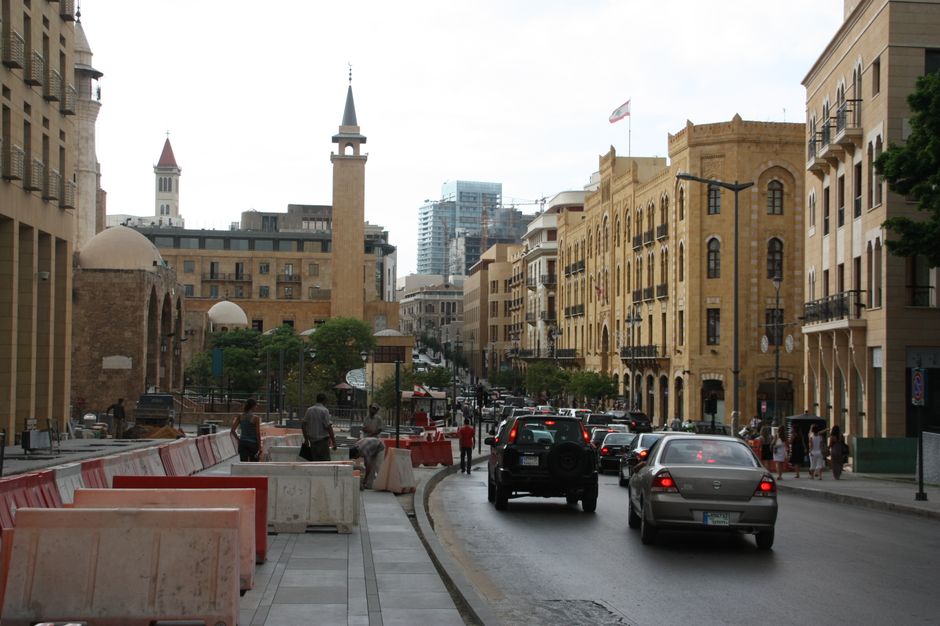
What “Seafront Access” Feels Like
On a practical level, you’re looking at:
- A walkable connection to the promenade area (the biggest draw for evening strolls)
- The chance to do short beach-time blocks rather than committing the whole day to a far-off outing
- A realistic need to plan your route back (Beirut’s street layout and traffic can make short distances feel longer at peak times)
For the smoothest experience, treat seafront access as “easy morning/afternoon strolling”, rather than expecting every room to open directly onto the water.
Nearby Landmarks Worth Targeting
If you like to base your sightseeing around the shoreline, these are the kinds of places travellers typically combine with the promenade:
- Corniche promenade
- Raouché area
- Zaitunay Bay
- Hamra Street
- Martyrs’ Square
How quickly you get there depends heavily on time of day. Expect rides to take longer than you’d assume on a map, particularly when traffic builds along the main corridors.
Beach Days: Plan for a Shortcut, Not a Full Day
Even when a hotel is close to the seafront, Beirut’s beach time often works best as a partial-day plan. If your priority is lounging on sand for hours, it’s worth checking the exact walking distances for the nearest public areas during booking, and then deciding whether a quick taxi hop makes the day feel easier.
Room Comfort: Space, Sleep, and Real-World Views
Beds and In-Room Space
For most travellers, the most important comfort questions are simple:
- Does the room feel cramped once bags are unpacked?
- Is there enough space to sit comfortably (not just sleep)?
- Can you keep essentials organised without living off the bed?
If you’re booking as a couple or solo traveller, you’ll usually have an easier time with layout expectations. For families, it’s the kind of hotel where your room category choice matters more than you might expect—check whether the set-up supports your daily routine (moving around, charging phones, storing small items).
Noise Levels and Time-of-Day Comfort
Beirut can be lively, and street-facing rooms often reflect that. If you’re sensitive to noise, you’ll want to request a quieter room category where possible, and plan sleeping with the understanding that you may hear the city at busier hours.
A practical tip: if you’re aiming for early starts, treat evening return time as a factor. Even when the hotel is comfortable, you’ll feel the difference in your day if you’re consistently arriving late and trying to rest through late noise.
Views: What to Expect Without Overpromising
“Seafront access” and “seaview” are not the same promise. When choosing your room, focus on:
- Whether your category description explicitly mentions sea views
- Whether views appear partial (promenade glimpses) or full (direct water lines)
- Whether the view changes with floor level
If a view is a must, ask during booking whether the room faces the seafront direction you want. In many cities, even within one hotel, view quality can vary noticeably.
Bathrooms and Daily Practicalities
Bathrooms are where comfort gets tangible—especially on a holiday when you’re rinsing off after walking and trying to get ready quickly.
Shower Practicalities
Look at the room bathroom setup as a routine tool. When you’re comparing room categories, check for:
- A shower arrangement that’s easy to use without awkward corner splash
- Consistent hot water for your usual time window
- Adequate water pressure (this is often the difference between “fine” and “comfortable”)
If the booking details don’t specify, it’s reasonable to confirm at booking that the bathroom setup matches what you need (standard shower vs. tighter stall layout).
Storage and Counter Space
A comfortable bathroom isn’t only about the shower—it’s about putting things down. You’ll generally prefer:
- A usable counter or shelf for toiletries
- Enough hooks or storage to avoid living from a suitcase
- Mirrors positioned for straightforward getting-ready
If you travel with skincare, sunscreen, or hair tools, the day-to-day practicality is what will determine whether the stay feels smooth.
Towels and Basic Daily Needs
For most tourists, you’re looking for dependable basics: clean towels, a bathroom that feels hygienic, and a routine you can stick to without constant requests. If you’re arriving with specific needs (extra towels, accessibility considerations, or a particular bedding arrangement), confirm ahead.
Who Arkanjessa Hotel Beirut Is Best For
Arkanjessa Hotel Beirut tends to suit travellers who want a comfortable base for sightseeing without turning the trip into a logistics challenge.
Comfort-First Couples and Solo Travellers
If you’ll spend your day walking the seafront, visiting neighbourhoods, and returning for rest, this kind of hotel works well. You’ll benefit from a location where you can combine outdoor time with easier ride access back to the hotel.
Weekenders Who Want “Out the Door” Convenience
Weekend travel is often about minimising friction. A hotel with seafront access and ride access close by helps you keep your schedule tight: short walks, then quick transitions to the next area.
Families: Room Choice Matters
For families, the hotel’s comfort level is less about the lobby and more about room practicality: usable space, bathroom layout, and the ability to manage sleep routines. If travelling with children, prioritise room category clarity during booking.
Getting Around: Tourist-Friendly Ride Access in Beirut Traffic
Getting around from Arkanjessa Hotel Beirut will feel like Beirut: it’s doable, but timing matters. A “close” destination can still take longer than expected if you’re riding during peak street congestion.
Taxis and Ride Options
For day trips and evening outings, taxis are typically the most straightforward option for tourists, especially when you’re moving between neighbourhoods rather than sticking to one corridor. If you prefer app-based rides, they may be available depending on where you are and time of day—still, you’ll want a plan for pickup in busier streets.
At the hotel level, you’ll usually find that reception can help coordinate what to request and where to wait—use that support if you’re not confident navigating street access.
Walking vs. Riding
Walking is best when:
- You’re staying within the seafront/promenade area
- You’re doing short, predictable routes (morning light, early evening)
Rides work best when:
- You’re crossing to nightlife zones, shopping streets, or major sights farther inland
- The weather turns or you’re carrying beach bags
Be realistic about Beirut’s traffic patterns: plan for delays on return trips, especially in the evening.
First-Day Strategy
To avoid feeling scattered on arrival, pick one “anchor” area for the first day—either the seafront promenade for an easy orientation walk, or a central neighbourhood for cafés and shops. Once you’ve done that first loop, rides to the rest of the city tend to feel more manageable.
What to Do Next
If seafront access and day-to-day comfort are your top priorities, check the room category details carefully before booking—especially anything related to view direction and bathroom layout. Then plan your first 24 hours around one shoreline-friendly route and one neighbourhood ride, so you can judge how quickly you can move in real Beirut traffic.