

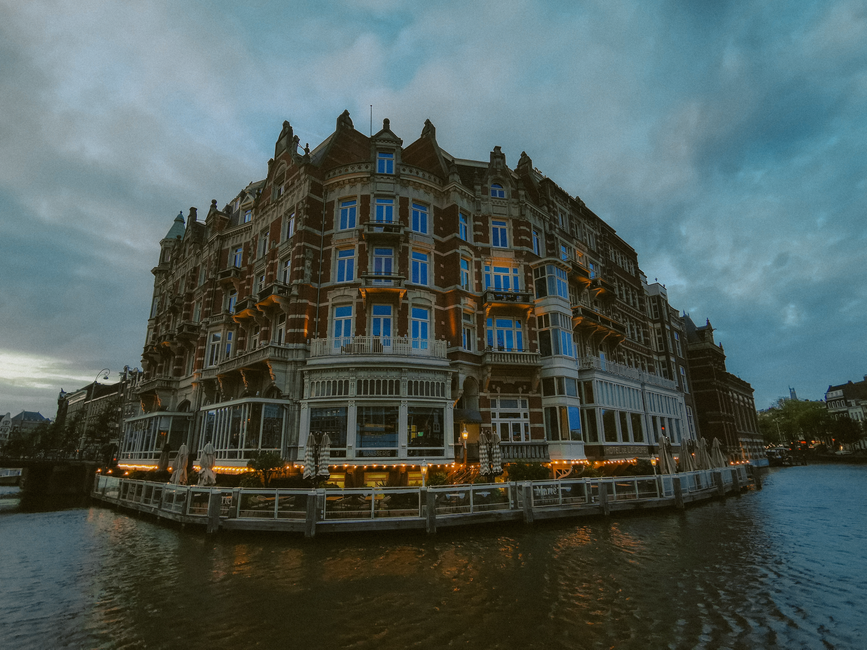
Atelier Amstel Hotel: the vibe and who it suits
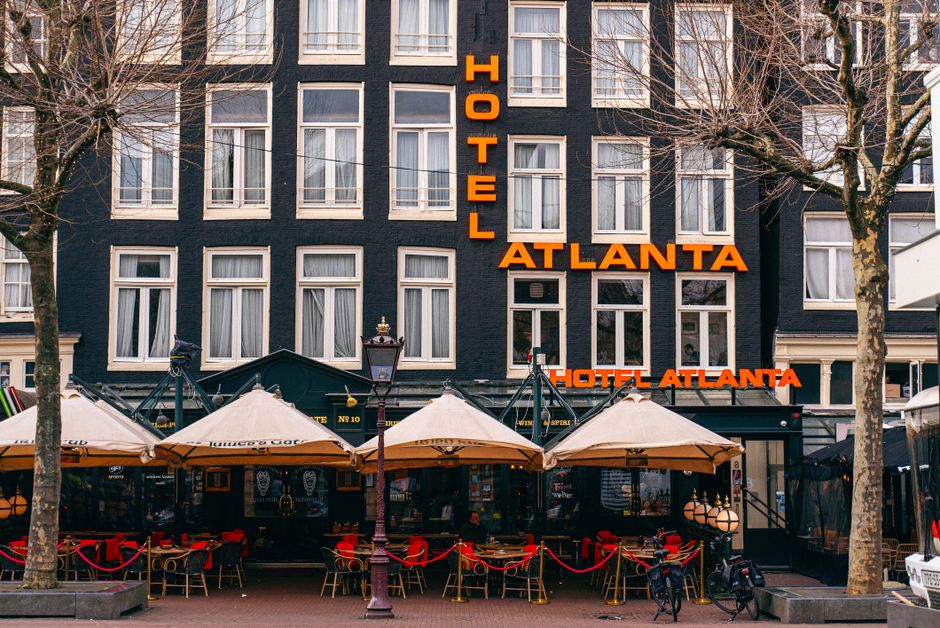
You’ll likely enjoy it if you:
- want a quieter base than areas like De Wallen or Leidseplein
- plan museum days and want straightforward tram connections
- prefer walking for short stretches, with the option to ride when the weather turns
A boutique, city-focused feel
The hotel’s strength is its size and atmosphere: it’s aimed at travellers who want comfort and convenience, rather than a resort-style experience. You can expect the day-to-day rhythm of Amsterdam around you—buses, cyclists, and the general movement of a lived-in area.
Best for couples and city breaks
The setting suits couples and friends, and it’s also a practical choice for business travellers who don’t want to be right in the loudest nightlife zones. If you’re travelling with a very light sleep pattern, pay special attention to the room location details before booking.
Rooms and canal-side noise: what to expect

Canal-facing rooms can be atmospheric—sometimes loud
If your room faces the canal or the most active frontage, plan for:
- occasional boat movement and splashing sounds when winds are up
- evening conversations drifting in when windows are open
- traffic noise that can feel more noticeable at night in warmer weather
If you’re sensitive to noise, request a room that’s positioned away from the busiest frontage or ask about options for a higher floor. When booking, it’s worth explicitly checking whether your assigned room is canal-facing.
Trams and street ambience are part of the trade-off
Atelier Amstel is positioned for access around the city, which means tram and street ambience is a realistic possibility—especially if you keep windows open. The difference is usually manageable if you:
- close windows before going to bed
- use lighter bedding/covers so you can sleep comfortably even with the sound reduced
When you check availability, look for room descriptions that mention courtyard/inner-facing layouts versus street-facing ones.
Practical comfort checks to do before you commit
Hotels like this typically offer the essentials for a city stay, but details can vary. Before booking, confirm:
- bed setup (double vs twin) and whether rooms are arranged for two comfortably
- wardrobe and luggage storage space for a multi-day trip
- heating/air-conditioning approach (Amsterdam weather can swing)
- whether housekeeping schedules match your plans
Breakfast: a convenient start for sightseeing days
Breakfast is a big part of how well a city hotel fits into your day, and Atelier Amstel is best for travellers who want an easy start before heading out.
What breakfast is typically like
Expect a standard hotel breakfast setup: a mix of cold items (breads, fruit, dairy) with some hot options. For the most accurate picture, check what’s currently included when you book, since offerings can change.
Timing matters in Amsterdam
Amsterdam mornings can be busy around museums and major attractions, so eating breakfast early is often the simplest way to avoid peak queues. If your itinerary includes early museum entry or a long tram day, check breakfast service times at the time of booking.
Dietary needs: flag them ahead
If you follow a specific diet (vegetarian, gluten-free, lactose-free, allergies), communicate this during booking. Even when hotels can accommodate, the exact options available can be limited—so it’s best to get clarity in advance.
Walkability and the neighbourhood through the day
The hotel’s location on the Amstel side means you’re close enough to the centre to plan on foot sometimes, but the neighbourhood also has its own pace. You’ll notice that most days feel calmer than the headline-grabbing areas.
Morning: locals first, tourists later
In the earlier hours, the streets tend to feel more commuter-like—quieter crossings, fewer groups, and more of a “start of the day” rhythm. This is when river walks feel particularly pleasant, especially if you’re heading out before the museum crowds fully build.
Afternoon: trams add energy
By midday and afternoon, tram routes and main streets bring more movement. The area feels more connected—more cyclists, more visitors coming in for museums or canal sights, and slightly more street noise as windows open and foot traffic builds.
Evening: relaxed dining, fewer late-night surges
In the evening, you’ll find a steady flow of people for dinner and river-side strolling, but it generally doesn’t carry the same nonstop nightlife intensity as Amsterdam’s busiest entertainment strips. If you’re planning a late night elsewhere, you’ll still benefit from being able to return to a calmer pocket after dinner.
Nearby sights you can target
You can build a day around a cluster of well-known places without having to rely on taxis:
- Magere Brug (Skinny Bridge)
- Hermitage Amsterdam
- Artis
- Sarphatipark
- Rijksmuseum
- Van Gogh Museum
Use tram when it saves time (especially between museum clusters) and save longer walks for when the weather is good.
Getting around: trams, buses, and airport transfers
Atelier Amstel’s biggest practical advantage is that Amsterdam’s public transport makes it easy to switch from walking to riding depending on distance and weather.
Tram and bus proximity
You should be able to access tram and bus routes within a short walk, which helps if you’re hopping between neighbourhoods rather than sticking to one museum area. On busy days, trams can get crowded, but they’re still usually the fastest way across town.
If you’re planning multiple stops, building your day around tram lines can reduce walking fatigue—Amsterdam distances add up quickly.
Train access for wider day trips
Amsterdam’s main rail connections make day trips straightforward. From the central stations, you’ll typically combine a train with a short local ride or a walk, depending on your arrival time and luggage.
From Schiphol: allow buffer time
From Amsterdam Schiphol, the common pattern is train into the city followed by a short tram or walk. Journey time often lands in the “about half an hour to under an hour” range depending on your exact connection and transfer. If you arrive during peak periods, add a buffer for platform changes and local crowds.
Next steps before you book
When you book Atelier Amstel Hotel, check your room orientation (canal-facing vs quieter/inner-facing options) and note how that might affect sleep with windows open. Once you’re clear on the room location, map your first day around the nearest tram stops and the sights you actually want to prioritise.