

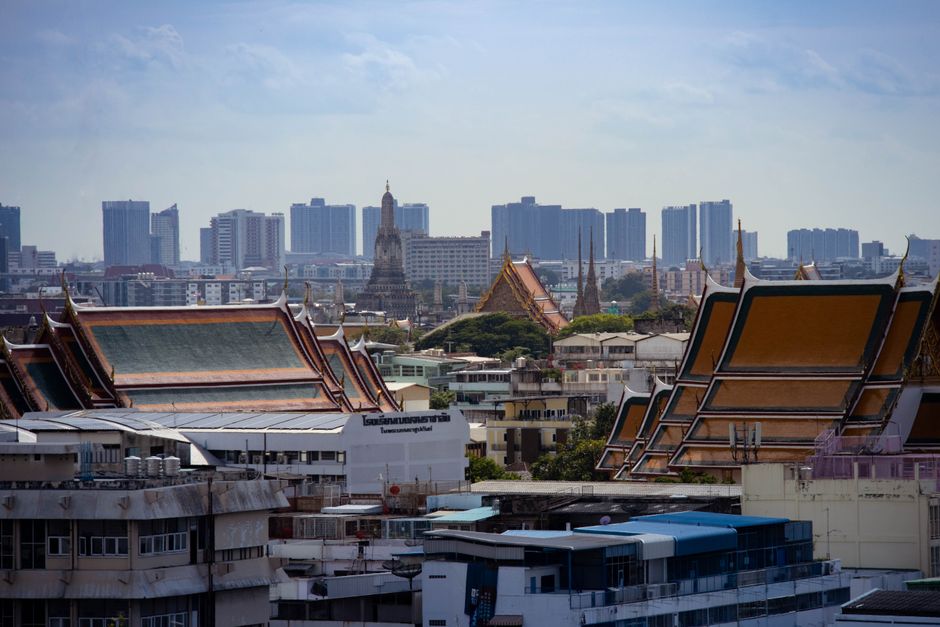
Planning a self-guided Bangkok temple walk works best when you stop thinking “one long hike” and start thinking “clusters”. Bangkok’s big temple sights are concentrated around Rattanakosin (Old Town), with a river crossing to shift you from the grand complexes to the calmer lanes.
Below, you’ll find a practical route built by proximity, plus the etiquette basics that prevent awkward pauses at the gate. The goal is simple: you walk as much as it’s realistic, then you add short transit legs and heat buffers where Bangkok demands it.
Pick Your Temple Loop by Location
Bangkok temples are easiest to navigate when you choose a loop that keeps your travel time between stops predictable.
Use the Old Town (Rattanakosin) cluster for your “walk-first” core
Most first-time temple visits can be handled in one walkable day if you anchor yourself in Rattanakosin. This is where you’ll find the high-impact sights and most of the pavements, paths, and signage.
Add a single river crossing instead of “trying to walk everything”
To connect major riverfront temples, Bangkok usually rewards you with a short crossing (rather than a long detour). Build the river leg into your route so you’re not burning energy in heat while you search for the “right” way.
Keep the second half calmer with Golden Mount and nearby temples
After the busiest complexes, you’ll enjoy a shift toward viewpoints and quieter courtyards. The result is a tour that feels varied rather than just one crowd-heavy site after another.
A Walk-First Route Through Six Temples
This route is designed to be followed in one direction, moving cluster to cluster. You’ll walk when it’s sensible, then take short crossings when the city layout makes walking inefficient.
Stop 1–2: Wat Phra Kaew, then move to Wat Pho
Start at Wat Phra Kaew (often the first must-see for many visitors). Plan to arrive early enough that the grounds feel busy but not chaotic.
From there, head to Wat Pho. This is the part of your day where walking pays off: the two are close enough that you’re mostly moving on foot, and it’s easy to pause for shade when the sun intensifies.
Practical buffer: after Wat Phra Kaew, take 20–30 minutes between the next queue and your next entry. Even a short break lets you rehydrate and adjust your clothing before you step deeper into sacred areas.
Stop 3: Cross to Wat Arun for a different atmosphere
Next, go to Wat Arun. This is where Bangkok’s riverfront scenery changes the tempo of your day.
Don’t force a “walk it all” plan here. Instead, plan for a quick crossing plus a buffer for the transfer itself. It’s common for crossings to involve waiting, walking to the landing, and navigating crowds at peak times.
Heat buffer rule: schedule Wat Arun as your “afternoon anchor,” not your immediate next stop. Give yourself time to cool down before you climb viewpoints or spend long minutes on terraces.
Stop 4–6: Golden Mount area and the finish near Chinatown lanes
Finish with three more temples that keep you moving in sensible proximity:
- Wat Saket (Golden Mount): your viewpoint and a calmer pace after the major complexes.
- Wat Mahathat: a temple option that fits well after Golden Mount if you’re still energetic.
- Wat Traimit (Golden Buddha): a strong final stop that works nicely if you want your day to end with something visually memorable.
For this last stretch, think in “courtyards and transitions.” You’re likely to spend longer here than you expect, mainly because you’ll pause for photos, read small details, and look for the best shade. Add a small transit buffer between the last two stops so you don’t feel rushed.
Heat, Shade, and Transit Buffers
A self-guided walking tour in Bangkok is less about distance on a map and more about managing the day’s heat and walking surfaces.
Start with walking comfort, not sightseeing ambition
Aim to begin early so your first entries happen before the strongest heat. Bangkok can feel relentlessly warm even when the sky is hazy, and temples can require a lot of standing and walking on hard surfaces.
Transit buffer tip: whenever a stop involves a crossing, set aside extra time beyond what your map suggests. Bangkok’s pedestrian paths and boarding points can slow you down.
Plan shade breaks on purpose
You’ll do better if you intentionally build in “reset moments” rather than taking breaks only when you’re already exhausted.
Use these as your mini buffers:
- after a main entry (before you queue again)
- before you climb any steps or viewpoints
- after a river crossing (before you settle into a new courtyard)
Don’t stack climbs and crowds back-to-back
Wat Arun and Wat Saket both reward steady pace, not sprinting. If your day includes climbs, keep another part of your itinerary lighter so you’re not overheating while climbing at the peak of the afternoon.
If you feel the heat rising faster than expected, shorten your stop. It’s perfectly fine to focus on the highlights—people do not need to stay for every corner to have a meaningful visit.
Temple Etiquette for Independent Visits
Temple etiquette in Bangkok is straightforward, but it’s easy to get wrong when you’re moving quickly. A few rules will keep your visit respectful and smooth.
Dress code: cover shoulders and knees
For temples, plan to wear clothing that covers shoulders and knees. Lightweight fabrics help because Bangkok humidity makes “covered” feel warmer than at home.
If you arrive dressed too casually, expect to deal with either a rental/cover option on-site or a quick decision to change before you enter. That extra delay is exactly why it’s worth prepping before you leave.
Mind your body language inside courtyards and halls
Keep your pace calm in sacred spaces. Avoid blocking walkways, step aside to let others pass, and remember that some areas are used for worship, not sightseeing.
A simple guideline: if locals slow down or move more carefully, you should too. You’ll often notice the difference in how people speak, photograph, and stand.
Photography: be respectful and expect restrictions in worship areas
Photography rules can vary by hall and moment. When you see worship taking place, pause your camera and watch what others do.
If you’re unsure, use a “lower impact” approach: frame from the edge of the walkway, avoid using flash, and don’t step into prayer areas just for a better shot.
Navigate Without a Group Tour
Without tour guides, you rely on your own route planning and timing. The best approach is to prepare enough that you don’t need to stop constantly.
Build a simple map route before you leave
Set your route with the six listed temples in order: Wat Phra Kaew → Wat Pho → Wat Arun → Wat Saket → Wat Mahathat → Wat Traimit.
Then make your day easier with two map habits:
- Save the walking/transit directions for each leg (so you’re not re-searching mid-heat)
- Screenshot or note the “arrive near” points, since the last few minutes may involve narrow lanes
Expect ticket and entry checks at major complexes
Temple complexes in Bangkok typically require entry handling, whether it’s a ticket line, a check at the gate, or a dress-code assessment. Build time around that rather than assuming you can “walk straight in.”
If you’re trying to reduce queues, plan your first stop early and let the busiest complex be your earliest entry of the day.
Use short transit legs when the city turns unfriendly for walking
For riverfront transitions and any leg where pavements thin out or the route requires large detours, take the shortest practical transit option. This protects your energy so your temple time stays enjoyable.
The key is consistency: don’t keep switching between long walking days and long transit days. A stable loop plus short, predictable crossings keeps the plan calm.
Next Steps: Save Your Route and Tickets
Before you go, lock your order of stops and map the exact route between each one, including the river crossing for Wat Arun. Then check that your clothing meets temple expectations and decide where you’ll add your comfort breaks so you’re not forced to stop when you’re already drained.
If you want a smoother day, plan to start early and treat the afternoon as your “buffered” zone—cool down first, then explore.