

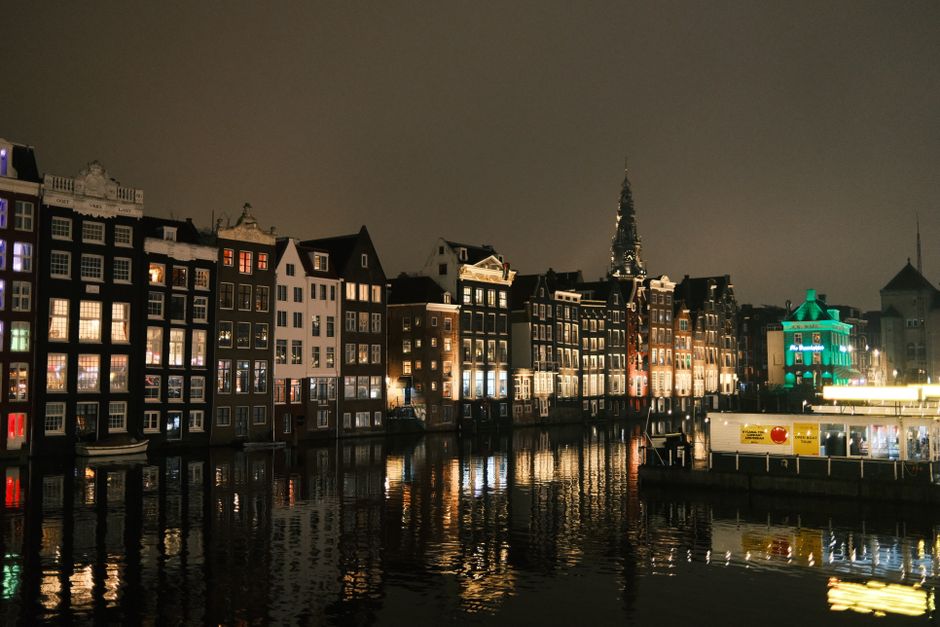
If Amsterdam is on your list, you’ll quickly notice a pattern: museums cluster on the south side and in the centre, while the nightlife gravitates around a few bright squares. Your best stay comes down to where you want to wake up in the morning—and how much street noise you can handle after dinner.
Below are the areas that work for both museums and night life, curated by evening vibe, how easy it is to reach major museums, and how loud it tends to be at night.
Museums first, then a night out within easy reach
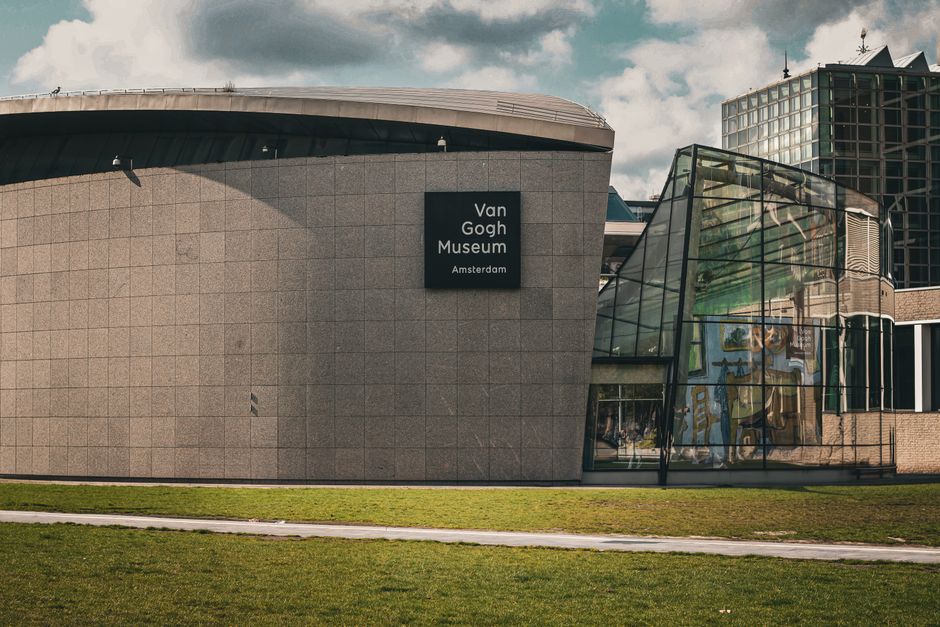
What it feels like at night:
- Calmer than the most party-heavy streets, with a lively “going out” crowd rather than constant street mayhem.
- Late evenings can pick up around venues and restaurants, but you usually get more sleep than you would in the old centre.
Museum access:
- Excellent for the main museum quarter; you can plan multiple visits without long commutes.
Noise tolerance:
- Generally manageable. Pick a side street rather than anything directly facing a main square or busy road.
De Pijp
De Pijp is one of Amsterdam’s best “do museums by day, bars by night” districts. Museum access is good, and nightlife starts early enough for dinner plans and stretches into the night.
What it feels like at night:
- Friendly and busy, with lots of small bars and restaurants.
- You may hear chatter and occasional late-night music from nearby venues, especially on busier corners.
Museum access:
- Good overall. You can usually reach key museums with short trams or a straightforward evening walk.
Noise tolerance:
- Medium. Look for streets a couple of blocks away from the busiest strips.
Canal walks and evenings that stay atmospheric

What it feels like at night:
- Lively but not chaotic.
- Evenings often feel “social” rather than raucous, though weekends can bring crowds.
Museum access:
- Convenient for central museums and galleries; many stops are reachable without long transit.
Noise tolerance:
- Medium-low in quieter lanes. Higher around the busiest pedestrian areas.
Centrum (Dam–Rokin)
If you want to stay right in the action, this is where you feel Amsterdam’s energy. It’s also practical for museums because many attractions sit within a walkable radius.
What it feels like at night:
- Busy and bright, especially around main shopping streets and transport hubs.
- You’ll find plenty of places to eat and drink, but the foot traffic can be constant.
Museum access:
- Strong for central museums and for hopping between areas.
Noise tolerance:
- Higher than Jordaan. You’ll want to request (or choose) rooms away from street-facing nightlife and busy crossings.
Late bars, live shows, and square-based nightlife
Leidseplein & Vondelpark edge
This area is a go-to for evening plans: big squares, theatres, cocktail bars, and a steady stream of visitors. It can be perfect if you like starting the night with a show and then carrying on nearby.
What it feels like at night:
- High energy. You’ll often be able to walk to multiple venues without switching neighbourhoods.
- After late performances, crowds swell briefly and then move on.
Museum access:
- Good. Major museums are reachable with short tram rides or longer evening walks, depending on your route.
Noise tolerance:
- Medium-high. The best sleep usually comes from staying just off the square rather than directly on it.
Rembrandtplein area
Rembrandtplein is where a lot of nightlife concentrates around a single focal point. It’s lively enough to feel fun, but it’s also the kind of place where you should be choosy about your street.
What it feels like at night:
- Bright, crowded, and active late.
- You may notice heavier noise (bar music, groups, occasional shouting) during peak weekend hours.
Museum access:
- Convenient for central museums; you can keep evening plans tight and return quickly.
Noise tolerance:
- High. If your sleep is easily disrupted, consider staying a few streets away and avoid the most direct routes between bars.
Old-centre nightlife: great energy, higher street noise
De Wallen & De Walletjes
This is the Amsterdam you’ll see talked about most often, and it also means you’ll be near the most intense night atmosphere. It can work well if you want to experience the city’s nightlife culture up close.
What it feels like at night:
- Very busy after dark, with lots of foot traffic.
- Groups move through streets late, so the vibe is lively even if you don’t plan to go bar-to-bar.
Museum access:
- Good for several central museum stops and for quick rides into the museum districts.
Noise tolerance:
- High. If you’re sensitive to noise, choose a quieter side street and avoid rooms that face the most active lanes.
Nieuwmarkt & Zeedijk
A strong choice for nightlife that feels more mixed and local than the most neon-lit corners. You’ll find plenty of eating and drinking options, with crowds that can build up in the evenings.
What it feels like at night:
- Social and energetic, often with a steady stream of people rather than just one party hotspot.
- Expect noise to concentrate around restaurants and busy sidewalks.
Museum access:
- Solid for central museums and for reaching eastern areas.
Noise tolerance:
- Medium to high. Streets close to main corridors are louder; side lanes usually help.
Quieter bases with museum options and easier mornings
Plantage & Artis
If you want to be close to classic sights but not in the loudest evening grid, Plantage is a smart compromise. It’s well positioned for museums and day trips, with a calmer feel after dark.
What it feels like at night:
- Softer atmosphere than the central squares.
- You’ll still find places to eat, but it’s generally less raucous.
Museum access:
- Convenient for museum-focused itineraries that include central/east-side attractions.
Noise tolerance:
- Low to medium. This is often one of the better picks if you plan early museum starts.
Amsterdam Noord (NDSM Wharf & EYE area)
Amsterdam Noord gives you a different rhythm: waterfront views, creative spaces, and evenings that can feel trend-led rather than chaotic. It’s a great fit if you like nightlife that feels more “destination” than “street frenzy.”
What it feels like at night:
- Often calmer than the old centre, though waterfront venues can get lively.
- You may notice more of the city’s ambience than bar noise, depending on where you stay.
Museum access:
- Good overall. You’ll typically route via short transit connections to central museums.
Noise tolerance:
- Low to medium. Pick lodging nearer the waterfront venues if you want energy, or further inland for sleep.
How to choose quickly (without getting stuck with the wrong street)
When you’re comparing neighbourhoods, focus on these practical signals—because Amsterdam’s noise often changes street-by-street.
- Pick your “evening anchor”: a square (for convenience), a canal lane (for charm), or a quieter morning-first district.
- Avoid being directly on the main nightlife corridors if you’re a light sleeper; a block or two can make a noticeable difference.
- Plan your museum route first, then match the base: if you’re doing multiple big museum visits, you’ll be happiest near the south museum cluster or a central walkable zone.
- Travel style matters: if you’ll be out late most nights, a lively area can be worth it; if you’re doing early starts, choose calmer bases and keep nightlife to one or two evenings.
What to do next
Decide which you want more: a straight line to major museums, or the shortest walk to bars and late shows. Once you’ve chosen your priority neighbourhood, filter lodging by street-side position (quieter rooms win) and book early for popular travel periods so you’re not forced into the loudest options.