

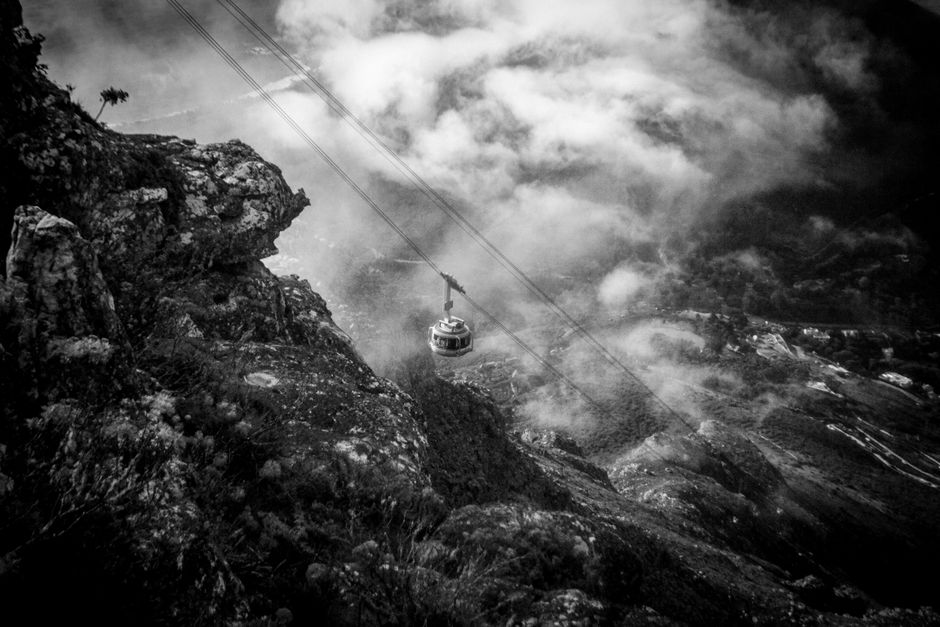
If you want Table Mountain views but don’t want to drive, your base location matters almost as much as the hotel. The mountain has several trail entrances, but your easiest “arrival point” is still the cable car and the City Bowl network of shuttles and buses. Stay within easy reach of the cable car area, or choose a neighbourhood with quick, frequent public transport to trail starts.
Below are the areas that make car-free planning simpler, while keeping Table Mountain in your line of sight.
Plan Around Cable Car Access and Car-Free Hike Starting Points

What to aim for:
- Accommodation within a comfortable taxi or short bus ride of the cable car base
- Even better: neighbourhoods where you can reach it with a brisk walk or a very short transfer
- A plan for sunrise or early morning starts (queues and crowds build during peak season)
Match your accommodation to the trail you want
Table Mountain hikes vary a lot in how “car-free-friendly” they feel. For a no-car itinerary, the smoothest approach is:
- Platteklip Gorge: easier when you can get to the City Bowl side quickly
- Lion’s Head: often a simpler add-on if you’re already near the Atlantic side and can reach the trailhead by bus/taxi
- Skeleton Gorge (from the Camps Bay side): works well if you’re staying on the Atlantic’s south-facing side
Expect traffic and crowds on peak days
Even without a car, you’ll feel the busiest periods in the City Bowl and cable car area. In December to March (and especially around public holidays), budget extra time for:
- getting from your accommodation to the cable car
- waiting for rides if taxis are in high demand
- securing a clear time window for popular hikes
Gardens: Walkable Cable-Car Convenience With Classic Mountain Views

You’ll usually find:
- hotels and guesthouses in a compact area that’s simple to navigate without a car
- viewpoints where you can see the mountain clearly, especially from higher floors
- quick taxi or bus connections when you don’t want to walk
What to look for when booking
To maximise Table Mountain views and reduce planning friction:
- choose a room on a higher floor (views are often blocked by trees and lower-rise buildings)
- confirm how far it is to reach the cable car area on foot (or by a very short ride)
- if you’re travelling with luggage, prioritise easy street access
Best for: easy “mountain day” itineraries
Gardens is ideal if you want fewer moving parts—early cable car access, straightforward starts for plateau routes, and a central place to return to between hikes.
Oranjezicht: Quiet-Feeling Heights With Big Panorama Potential
Where the views come from
Oranjezicht sits higher up than the promenade areas, and that elevation is the key to getting those broad Table Mountain panoramas. It can feel calmer than the busiest City Bowl streets while still keeping you within reach of transport to the cable car.
Oranjezicht also tends to work well for:
- travellers who want mountain views without being right in the crowd line
- evenings when you’d rather have a relaxed base than a late-night scene
Car-free logistics that make sense
From Oranjezicht, you’ll typically rely on a mix of:
- short rides to the cable car base
- buses for longer hops around the peninsula
- taxis for early starts (especially if you’re aiming for sunrise hikes)
Because you’re without a car, it helps to build a “one-zone day”:
- Morning: cable car / City Bowl mountain routes
- Afternoon: back toward the Atlantic for a calmer second activity (or simply rest)
What to watch out for
The main trade-off is that some streets are steep. Before booking:
- check how hilly the route feels from the property entrance to nearby stops
- plan for carrying bags uphill
- if you’re sensitive to stairs or slopes, prioritise flatter streets
Tamboerskloof: City Views + Fast Links to Trail Access
Why it’s popular for hikers without cars
Tamboerskloof is another neighbourhood that benefits from height and closeness to the City Bowl. You often get strong views of Table Mountain, and you’re well placed for reaching trail access points on the mountain’s City side.
You’ll find it useful if:
- you want a balanced base (not too far out, not too busy)
- you prefer quick transfers to start points instead of long commutes
How to plan your hike days
A simple car-free structure for Tamboerskloof looks like:
- start early with a taxi or bus to the cable car base or your chosen route
- leave the afternoon flexible (weather can change quickly on the mountain)
- return for dinner in the city rather than crossing the peninsula repeatedly
Booking tips that can make or break your stay
For the best mountain outlooks, focus on:
- room orientation (ask for mountain-facing or view-confirming options)
- windows that are not fully blocked by balconies or neighbouring buildings
- properties that make it easy to reach the main road for transport
Sea Point: Seafront Energy With Straightforward Access to the City Bowl
Why Sea Point works without a car
Sea Point gives you a more relaxed, seaside “arrive and unwind” base, while still being close enough for easy transfers to the cable car area and the City Bowl. You can spend the day on the mountain, then come back to the promenade for evenings.
For car-free travellers, Sea Point often delivers:
- frequent public transport connections toward the City Bowl
- easier walking for less strenuous activities between hikes
- sunsets and sea views that pair well with Table Mountain’s silhouette
Use a simple transport routine
When you’re staying here, try to stick to a rhythm:
- route yourself to the cable car area for plateau hikes
- use taxis only for the times you need speed (early mornings or late returns)
- keep a backup plan if routes are disrupted or it’s pouring rain
Best for: mixed itineraries (mountain + beach)
Sea Point suits travellers who want Table Mountain views but also want a solid day-to-night base that isn’t only about hiking.
Camps Bay: South-Side Scenery and Skeleton Gorge Access (With Less Cable Car Ease)
Why you’d choose Camps Bay without a car
Camps Bay is one of the best places for postcard views of the mountain from the Atlantic side. If your hiking plans include trails that connect from the Camps Bay area, this base can feel very efficient—especially for Skeleton Gorge-style routes.
What this neighbourhood gives you:
- strong Table Mountain sightlines from certain streets and higher floors
- a clear “south-side” feel that matches certain hikes
- lively beach evenings in summer
Car-free travel: plan for transfer time
Without a car, you’ll typically manage Camps Bay days by:
- taking public transport or taxis to the relevant trail start or to the cable car when needed
- using earlier starts to avoid gridlock and peak-day crowding
A practical approach:
- choose one major activity per day (either mountain trail access from the south side, or a full cable car day)
- keep restaurant and downtime nearby to reduce repeat rides
When Camps Bay can feel crowded
Camps Bay’s beach and main road can get busy in December to February. If you’re sensitive to noise and crowds:
- consider a slightly quieter street, or higher floors away from the beachfront strip
- expect it to be more expensive during peak periods compared with more inland City Bowl options
What To Do Next
Choose your base based on the kind of day you want most: a cable-car-first “mountain day” (Gardens), a higher, calmer viewpoint (Oranjezicht and Tamboerskloof), a transport-friendly seaside base (Sea Point), or a south-side scenery plan (Camps Bay). Once you’ve picked an area, filter by higher-floor mountain views and check how steep the route feels between your accommodation and the nearest transport stop.