


Queenstown is compact, but where you sleep makes a big difference to both your hike mornings and your evenings. If you’re aiming for a quiet base, you’ll want to balance three things: how close the area is to the start of the hikes you’re doing, whether you’ll rely on shuttles, and how likely you are to hear main-road traffic from your room.
Below are the best neighbourhood-style bases to choose from, grouped around those priorities—so you can plan your days around trails and still come back to something restful.
How to pick a base for hikes and a quiet night
Match your stay to the trailheads you’ll actually use
Start by listing the hikes that matter most to your trip. Then work backward to your accommodation choice. Staying near the gondola/Queenstown Hill side helps for shorter, frequent trail days; staying a little farther out can make sense when you’re planning longer drives to bigger trail regions.
A practical way to judge proximity is to ask: does your hike start on a road with regular public transport, or do you mainly need a short drive/parking?
Prioritise sleep quality over “walk to everything”
Lakefront convenience comes with trade-offs. Streets closest to the main strip tend to be louder at night—especially on weekends and during busier holiday periods.
When you’re comparing places, look at these clues:
- Are you on a road that carries through-traffic, not just local cars?
- Are you above or behind ground-floor bars and late-night dining?
- Do you have to cross a main road to get back (pedestrian routes can mean more noise exposure)?
Decide early: shuttle-first or car-first
If you’re using shuttles or buses, bases that sit near the most straightforward pickup/transfer routes reduce stress on early mornings. If you have a car, you’ll usually gain flexibility—especially for trailheads that are easier with parking.
Either way, planning your “first hour of the morning” matters: waking up on time is easier when your route to the trail start is simple and predictable.
Quiet neighbourhoods close to easy-to-start hiking
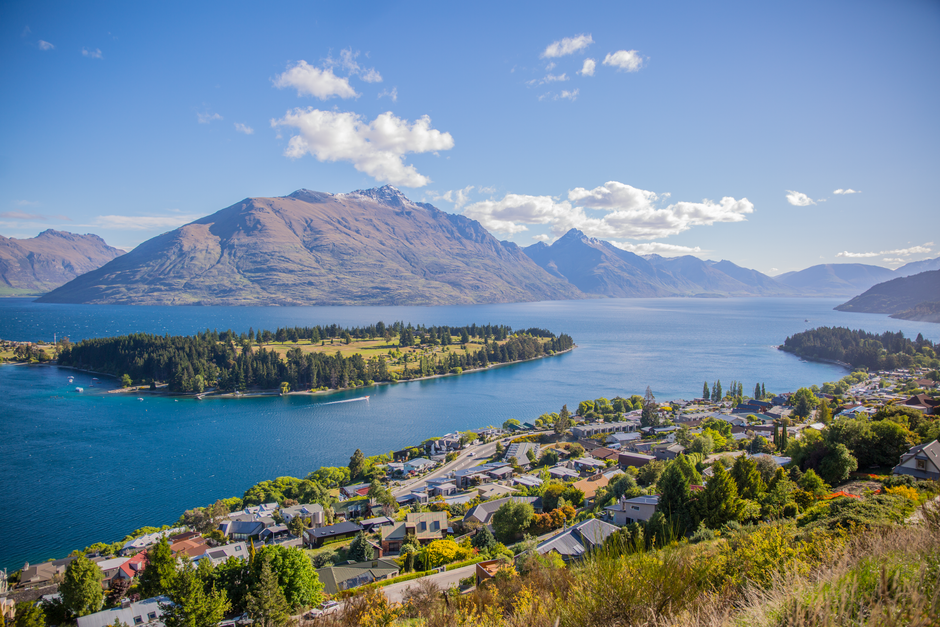
Kelvin Heights: calm lakeside views with a practical location
Kelvin Heights is a strong option when you want a calmer night base without feeling far from town conveniences. It sits on a more residential lakeside stretch, so you’re less likely to be right on top of the busiest evening corridors.
It also works well when your hiking plan includes frequent days—because you can still reach key starts in the Queenstown area without needing complicated logistics.
What it’s best for:
- Quieter evenings compared with the most central lakefront streets
- Hike days where you’re often starting in/around the town core
- Being able to walk or drive short distances without crossing constant main-road traffic
How to choose streets within Kelvin Heights:
- Prefer back streets and higher lanes over the most directly exposed waterfront stretches
- If a listing looks like it sits above busy access roads, treat it as a risk for noise
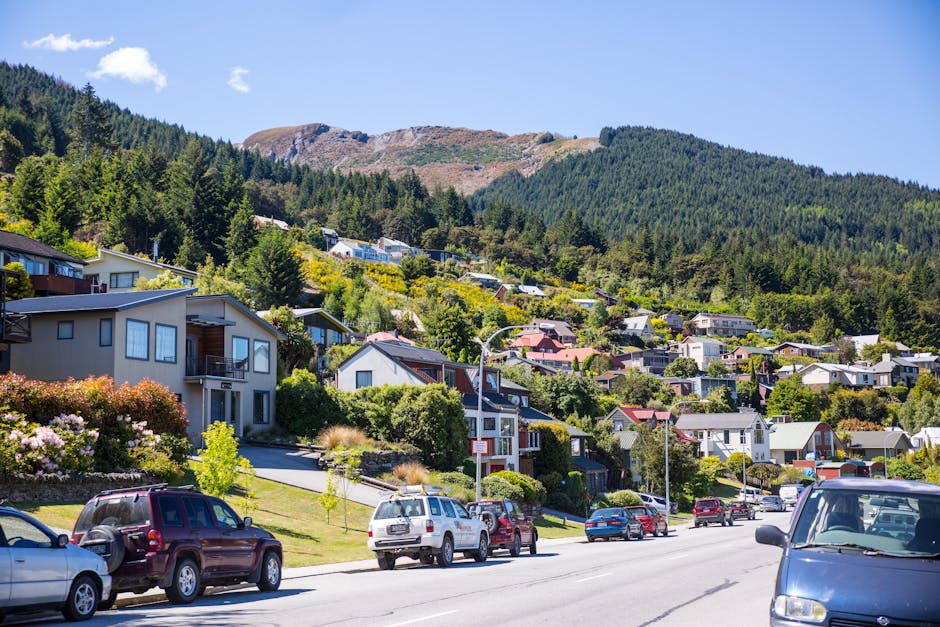
Queenstown Hill: ideal for trail mornings, even if you stay a little higher
If your trip includes hikes that start from the Queenstown Hill/upper town direction, staying on or near the Queenstown Hill side can cut down your morning effort. Even when you’re not “right at the trailhead,” the overall area helps you keep starts efficient.
This is also a good choice when you’re happy to trade a little convenience for stillness. Higher ground usually means less exposure to the densest nightlife streets.
What it’s best for:
- Quick access to the Queenstown Hill track options and viewpoints
- Shorter, repeatable hiking days
- Sleeping away from the loudest parts of town
What to watch:
- Properties with views can be on roads that feel close—check reviews or descriptions that mention traffic noise
- Some accommodations are accessed by steeper lanes; if you’re carrying gear, confirm the approach is manageable
Fernhill: quieter residential base for Ben Lomond days
Fernhill is another neighbourhood approach where you get the “quiet night” advantage more reliably than in the busiest streets. It’s especially useful if your hiking plan leans toward Ben Lomond-style starts that suit an early push.
You’ll typically find a more residential feel—useful if you want to reset after a full day without an evening lull being disrupted by main-road noise.
What it’s best for:
- Staying away from the busiest central roads
- Hiking days where you want an easy early start
- A generally calmer atmosphere for sleeping
How to keep it quiet:
- Choose streets that aren’t directly on primary through routes
- If you’re booking late in the season, be selective about room positioning (front-facing rooms can be louder)
Low-key village energy for evenings and longer hike days
Arrowtown: a genuinely calmer base when you want quiet first
Arrowtown is a strong “rest day” companion because the vibe is more village-like and less geared toward late-night foot traffic. For hiking trips, it can be ideal if you’re comfortable driving into Queenstown when needed.
Expect the main advantage to be the return-to-base feeling: after a day on the trails, you’re more likely to find quiet streets and a slower pace.
What it’s best for:
- Sleeping well, especially during busier periods in Queenstown
- A calmer evening routine after hikes
- Trips where you’ll do several longer drives for big trail days
Trade-offs:
- You’ll usually need to plan transport a bit more for evenings out
- If you don’t want to drive at all, Arrowtown may not be the most convenient
Arthurs Point: river-adjacent calm with an easy link to town
Arthurs Point sits in a more local-feeling part of the region, which helps if you’re trying to avoid the noisiest parts of the central lakefront. It’s also useful if your hike schedule includes a mix of town-side trails and longer day trips.
You can often keep evenings quieter here while still being able to reach Queenstown when you want dinner or supplies.
What it’s best for:
- A calmer alternative to the most central streets
- A base that still feels connected to Queenstown
- Hike days where you want practical driving access without staying right in the thick of town
Noise check:
- River-adjacent areas can be peaceful, but roads can still carry traffic—choose listings that aren’t right on through-routes
Where to stay for fewer compromises when you’ll drive most days
Frankton: convenient for moving around, but pick quieter pockets
Frankton is often the easiest base if you’ll do lots of driving: you’re not trapped by the most congested central streets. However, it’s also where road noise can sneak in—because the area is more connected to the routes you’ll use to get in and out.
If you choose Frankton, you’ll get the best results by selecting accommodation that’s set back from the busiest roads or positioned so your room isn’t directly exposed to traffic.
What it’s best for:
- Multi-day hike plans where you’ll be driving to trailheads most mornings
- People who prefer a straightforward “get going quickly” routine
- When you want practical parking access
How to avoid the noise problem:
- Avoid listings that describe proximity to main roads as a key feature
- Look for quieter lanes, courtyards, or properties set back from the street
- If you’re a light sleeper, prioritise rooms away from ground-level access points
Sunshine Bay (south of town): quiet lakeside energy with a more scenic route feel
If you want a sleep-first base and your hikes include days that start toward the southern end of the region, Sunshine Bay can be a good compromise. It’s not the same “walk out the door to everything” experience, but it often delivers the quiet evenings you’re after.
It suits travellers who are happy to drive a bit for convenience, in exchange for a calmer return-from-hiking atmosphere.
What it’s best for:
- Quiet nights away from the busiest central strips
- A scenic setting that still works for a driving-heavy itinerary
- Hike days where you’ll start early and want a relaxed place to return to
Trade-offs:
- You’ll likely need a car to make the most of it
- For evening plans, you’ll want to plan transport rather than rely on short walks
Getting around for hikes: keeping mornings simple
If you’re using shuttles, choose the most direct pickup option
Even when you stay close to town, you can lose time in the morning if your base isn’t aligned with the shuttle routes you’ll use. When comparing neighbourhoods, consider how many stops and how much walking you’ll do before you’re actually near the trailhead.
A good rule: if you’re planning to start early, avoid bases that require multiple crossings or long walks to reach reliable transport.
If you’re driving, plan “parking first” rather than “distance first”
Distance is only part of the equation. On popular trail days, the real bottleneck is parking and how easy it is to load/unload gear.
Before you book, think about:
- Whether the hikes you want have straightforward parking near the start
- How quickly you’ll be able to arrive and secure a spot
- Whether your accommodation offers easy in/out movement for early departures
Reduce road-noise risk with one booking check
If quiet is your priority, ask for a room position within the property where possible—front vs back, courtyard-facing vs street-facing. Even in the right neighbourhood, the wrong room can ruin your sleep.
Next steps: choose your quiet base and lock in early
Decide which style of trip you’re running—town-side frequent hikes, driving-heavy longer days, or a village-style quiet base—and match it to the neighbourhood that best fits your trailhead access and transport needs. Once you’ve picked 1–2 areas, narrow down by room position (street-facing vs set back) and plan your earliest trail start so your mornings feel easy.