


Choosing where to stay in Queenstown can make or break your hiking days. You’ll be balancing three things: how fast you can reach trail starts, how easy it is to move around without wasting time, and whether your lodging actually delivers the Shotover River views you’re after.
Below are the best areas to base yourself, ordered by how well they fit hiking logistics and viewing angles.
Hillside Starts for Longer Walks
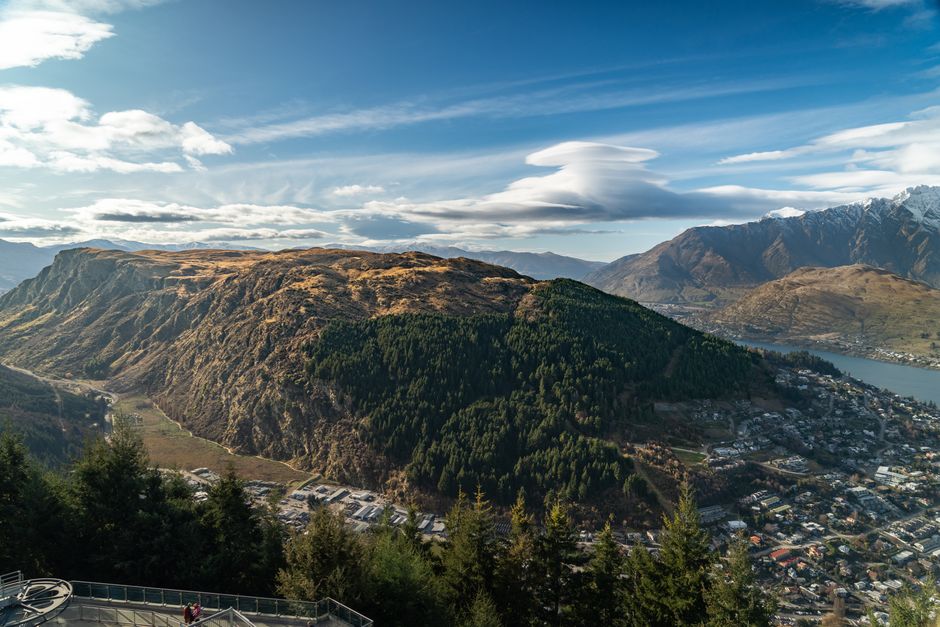
Queenstown Hill
If you want trail access with minimal planning, Queenstown Hill is often the most convenient hillside option. From here, you can usually work from a short “walk out the door” mindset for ridge-style hikes, with the town and lake viewpoints close enough for evening breaks.
What to expect:
- Hiking start convenience: Strong. You’re already near many of the flatter-to-steeper walking networks that feed into longer climbs.
- Shotover views: Often best from higher properties. Lower streets may be more “look over town” than direct river scenery.
- Getting around: You’ll rely more on walking for short trips, and you may want a vehicle for anything beyond central.
When Queenstown Hill works best:
- You’re doing multiple hikes over a few days and want to avoid long transfers.
- You like a quieter setting than the busy lakeside core.
Fernhill
Fernhill is a practical choice when you want to be close to Queenstown but still feel like you’re near the trail world. It’s well suited to day hikes where you’ll want an early start, a quick return for lunch, then another attempt before evening.
What to expect:
- Hiking start convenience: Good. You’ll typically face shorter drives and can reach trail-adjacent roads faster than from the far edges.
- Shotover views: Frequently partial rather than constant. Views can improve depending on elevation and the exact street.
- Parking: Generally easier than central, though you should still check your property’s driveway access if snow or rain is in the forecast.
When Fernhill works best:
- You want a midway base: close to town, but not right in the busiest streets.
- You’re planning a mix of short and longer hikes without locking into one type of route.
Shotover River-Forward Neighbourhoods

Arthurs Point
Arthurs Point is one of the most satisfying bases if your ideal trip includes riverside scenery and easy access to roads that lead away from the centre.
What to expect:
- Shotover views: Often a standout feature, especially from higher or more elevated accommodations.
- Hiking start convenience: Good for getting into trail-country quickly, particularly if you’re pairing hikes with scenic drives.
- Walkability: Can be limited if your lodging is not right on the main routes; you may use a car more than you expect.
When Arthurs Point works best:
- You want river scenery first, and you’re comfortable with short drives or arranged transport.
- You’re travelling with gear and don’t want to “over-walk” to trail starts.
Frankton
Frankton is a practical base that balances convenience and views, with quicker access to many departure routes and an easier feel for people who plan to drive.
What to expect:
- Shotover views: Often street- and elevation-dependent. If views matter, choose rooms higher up or those oriented toward the valley.
- Hiking start convenience: Solid for starting hikes early and moving between routes without spending the whole day in traffic.
- Parking realities: Usually easier than central lakeside streets, which matters if you’re hiking on multiple days and returning at different times.
When Frankton works best:
- You’re happy to drive (or you’re renting a car) and want fewer delays.
- You’re planning hikes across different directions rather than repeating the same trail area.
Walkable Lakefront Bases
If you’re aiming for a mix of hiking days and “come back and reset” downtime—cafés, lakeside walks, viewpoints—then staying nearer the centre can save time, even if trailheads aren’t always right outside your door.
Central Queenstown (CBD and lakeside)
Central Queenstown is where you’ll feel the most walkability. It’s the easiest place to be when you want to start the day early, then still enjoy the evening without arranging transport.
What to expect:
- Hiking start convenience: Decent rather than perfect. You’ll usually connect to trail starts via short transfers.
- Shotover views: More variable. Some rooms and balconies face the wider valley and can include glimpses, but you shouldn’t assume a direct river view from every angle.
- Parking realities: Often the trickiest part. Streets can be busy, and paid parking can add up quickly if you’re taking day trips.
When Central Queenstown works best:
- You value everyday convenience: groceries, gear shops, and quick access to local transport.
- You don’t want to rely on driving for every move.
Kelvin Heights
Kelvin Heights is a calm, scenic base on the lakeside side of town. If you like morning light, water views, and an easy stroll when you’re not hiking, this is a strong fit.
What to expect:
- Hiking start convenience: Typically requires a bit more coordination to reach trail start points, but it can be manageable if you’re comfortable with short drives.
- Shotover views: Often more about lake-and-mountain scenery, though higher rooms may catch up-valley perspectives.
- Walkability: Usually good for short lakeside outings, less so for long “trail-day” commutes.
When Kelvin Heights works best:
- You want a quieter base with scenic downtime between hikes.
- You’re less focused on direct river views and more on broad landscapes.
Getting Your Logistics Right
Even the best neighbourhood can feel wrong if your daily movement plan isn’t realistic. Here’s how to choose based on the way you’ll actually get to hiking starts.
Parking reality check
Queenstown’s central areas can be convenient, but parking can quickly become a time tax. If you’re doing early departures for hikes, look for:
- On-site parking or straightforward access to a dedicated lot
- Easy turning space for larger vehicles (if relevant)
- The ability to lock your gear safely before you leave
If you’re staying in central, plan for the possibility that you’ll park once per day and then rely on walking or short connections.
Shuttle options and timing
Neighbourhoods closer to the main visitor routes generally give you more transport flexibility. If you’re not driving, the key is matching your hiking start times to how you’ll reach trail access points.
A practical approach:
- Choose a base where you can reach your first “departure point” quickly
- Build in buffer time for peak periods (especially mid-morning and early evening)
- Keep your return plan simple—avoid stacking long transfers on the days you’re hiking hardest
Rain and winter conditions
Weather changes your “walkability math.” In heavier rain or winter conditions, hillside areas can feel more demanding, while lakeside bases still keep you close to services.
To stay comfortable:
- If you’re in a hillside neighbourhood, prioritize secure pathways and easy entry from parking/loading areas
- If you’re in central, make sure you can reach your accommodation safely and quickly when visibility drops
Match Your Base to Your Hiking Plan
You’ll get more out of your stay if your accommodation choice supports the pattern of hikes you’re actually planning.
If you’re doing mostly day hikes
For frequent day hikes, choose the area that reduces “dead time” between sleeping, breakfast, and trail start. That usually points you toward:
- A hillside base for quick access and less daily coordination
- A river-forward or mid-town base if you’re coordinating different directions by car
The best day-hike setup is the one where you can leave early without scrambling.
If you’re mixing easy walks with longer routes
If your itinerary includes shorter loops plus at least one longer hike, you’ll want flexibility: a base close enough to reset easily and still within reasonable reach of trail networks.
A simple strategy:
- Pick a neighbourhood that’s easy to return to mid-afternoon
- Make trail days early-morning focused and schedule “scenic” time for later
If your goal is Shotover River scenery
For the best odds of river views, prioritize elevation, orientation, and neighbourhood proximity to the river corridor. Even within the same area, views can change dramatically from one building to the next.
When you’re comparing places, watch for cues like:
- Descriptions that suggest elevation and valley orientation
- Photos taken from balconies or upper floors
- Whether the property sits in a “quiet street” that still faces the right direction
What to Do Next
Start by deciding how you’ll move each day—walk-and-shuttle style, or car-first—and then choose the neighbourhood that supports that pattern with the fewest compromises. Once you’ve picked 1–2 areas (for example, a hillside option plus a river-forward option), narrow by elevation and parking access so your hiking days feel smooth rather than stressful.