

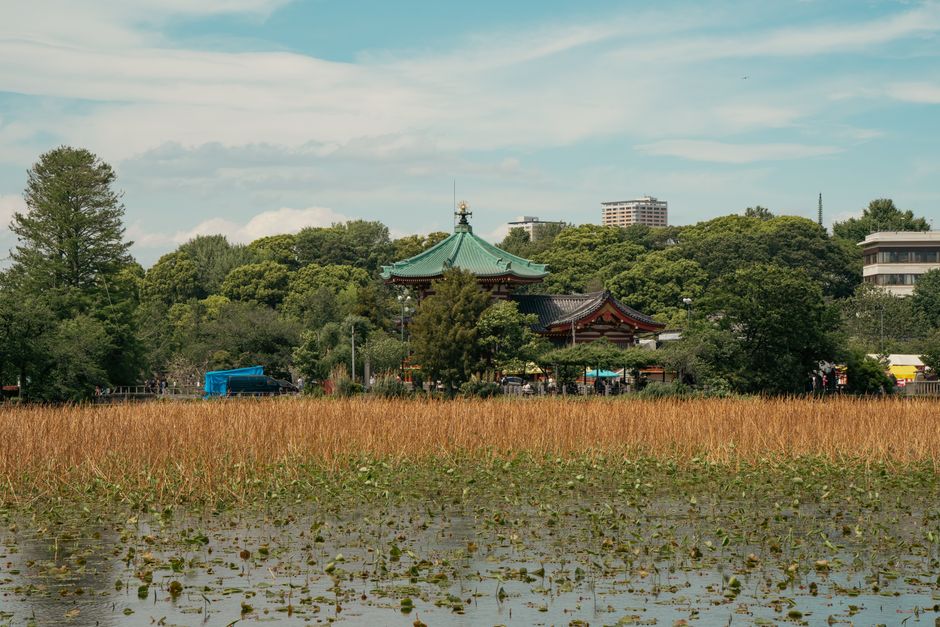
How to Choose a Base Near Ueno Park

Start with walkability (not just closeness)
Ueno Park is compact, but museums, cafés and the main shopping streets spread out. Aim for a base where you can reach:
- Ueno Park museum area in about 15–25 minutes on foot
- a market or shopping street within a similar walking window
- a major station for quick day trips when you don’t feel like walking
If you’re staying too far away, you’ll spend more time commuting than exploring.
Prioritise late-night convenience
First-time trips often stretch into the evening. Choose a neighbourhood with reliable options for food and transit after dinner—especially on weekdays when you may want a quicker return rather than planning another attraction.
Use the rail map to your advantage
Tokyo is easiest when you design your days around transit lines. Around Ueno, you’ll typically rely on JR and nearby metro connections. A good base means you can hop onto trains quickly for:
- Asakusa and the Sumida River
- Akihabara and central shopping districts
- major hubs for longer day trips
Ueno and Okachimachi: Park Access With Market Energy

Ueno: best for museums-first days
If your priority is walking directly into the Ueno museum cluster, staying in Ueno keeps things simple. You can build an itinerary that starts with museums in the morning and adds a nearby stroll before dinner without needing constant transit.
What to look for when booking:
- Rooms near Ueno Park approaches (so you can walk to multiple venues)
- Easy station access for rainy days
- A location that lets you return comfortably at night without crossing multiple long, busy stretches
This is also where hotel demand can spike during peak seasons, so booking ahead matters.
Okachimachi: value stays and Ameya-Yokocho evenings
If you want a more energetic “local markets” vibe, choose Okachimachi. It’s well-known for its lively shopping streets and late-night browsing atmosphere.
Okachimachi works especially well if:
- you like exploring on foot after museums
- you want plenty of casual dining options nearby
- you’re balancing comfort with mid-range budgets
The trade-off is that some streets can feel crowded at night. If you’re a light sleeper, look for a quieter side street a short walk back from the main lanes.
Yanaka and Nezu: Old Tokyo Streets Without Long Detours
For a break from the busiest parts of the city, Yanaka and Nezu give you a calmer base while staying practical for Ueno.
Yanaka: slow streets, easy evenings
Staying in Yanaka suits travellers who want old neighbourhood charm—small lanes, local shops, and a more relaxed pace at night. It’s a strong choice if you plan to keep museum mornings simple and save evenings for wandering.
Aim for:
- lodging that’s still reachable from transit without multiple transfers
- a route that brings you back to your hotel with minimal crossing of major bottlenecks
Nezu: a quieter angle for museum-friendly days
Nezu is closely tied to the Ueno area experience but can feel less intense than the busiest station corridors. It’s a good compromise if you want access to museums while leaning into a quieter neighbourhood mood.
Practical note: you may walk a little more depending on the exact street, so check the distance to your nearest station when comparing options.
Asakusa: Temples, Rivers, and a Comfortable Evening Pace
If you want Ueno-area museums plus a classic Tokyo cultural evening, Asakusa is a smart second base.
Choose Asakusa for a different night scene
Asakusa adds a distinct atmosphere—temples, traditional streets and riverside views. It’s a nice fit for travellers who don’t want every evening to revolve around the same station area.
When it works best:
- you’re happy to use transit for part of each day
- you want a calmer “evening walk” vibe after museum visits
Don’t overestimate walk times
Asakusa can feel close on a map, but real walking depends on the route and crowd levels. Expect that you’ll likely mix walking with short train rides.
To avoid frustration:
- pick a hotel near a station exit that’s convenient for both mornings and nights
- plan an evening route that doesn’t rely on crossing heavy pedestrian zones late
Akihabara (JR/Okachimachi Side): Easy Transfers for Late Nights
If your trip includes anime, electronics, arcades or just the energy of Tokyo’s nightlife hubs, consider Akihabara—but stay on the JR/Okachimachi side rather than deep inside the busiest blocks.
Where it works for Ueno visitors
Akihabara is a practical add-on base because it can connect smoothly to the wider city. It’s useful when you’re planning a “Ueno museums in the day, Akihabara at night” rhythm.
What to watch for
This area can be extremely busy, particularly around peak shopping times. If you’re sensitive to noise or foot traffic:
- choose a hotel slightly set back from the most concentrated streets
- double-check the surrounding blocks so late-night crowds don’t become your daily soundtrack
When to Book Around Ueno (and When to Avoid the Crowds)
Ueno and the surrounding neighbourhoods can get expensive during high-demand periods. If you’re travelling during cherry blossom season (spring) or other peak travel weeks, you’ll usually have a smaller selection of good rooms.
You may get better value in:
- late autumn (cooler, generally less oppressive than summer)
- winter weeks outside major holiday stretches
If your dates are fixed, lock in your base early. Even mid-range options often become limited in the Ueno/Okachimachi corridor during popular weeks.
What to Do Next
Shortlist one neighbourhood based on your travel style: Ueno for the closest museum-first walking, Okachimachi for markets and value, Yanaka/Nezu for quieter evenings, or Asakusa if you want classic Tokyo night scenes. Then compare hotels using the nearest station on foot and your intended evening plan—those two checks usually prevent regret.
Once you’ve narrowed it to 2–3 options, pick the one where you can comfortably return at night without crossing your city routes twice.