


Museum-first planning: how to choose your Prague base

Start with these museum-tram bases:
- Old Town & Josefov (Prague 1)
- Malá Strana & Kampa (Prague 1)
- Hradčany (Prague 1)
- New Town around Wenceslas Square (Prague 2 / Prague 1 edge)
- Letná & Holešovice (Prague 7)
Follow the tram rhythm, not just the map
Look for accommodation that puts you within easy reach of major tram corridors running across the centre. That matters because it keeps your transfers simple when you’re moving between museum-heavy zones like the riverfront, the Old Town/Josefov lanes, and the New Town institutions.
A good rule: if you’d need to plan a long uphill walk every time you change districts, you’ll feel it on museum days.
Pick one cluster to walk each day
To reduce transit fatigue, group your visits by geography:
- One day for Old Town/Josefov (history and Jewish heritage institutions)
- One day for the Malá Strana river bends (art collections and classic architecture)
- One day for the Castle plateau (a dense mix of galleries and historic spaces)
- One day for New Town institutions (big-name exhibitions and city-scale museums)
- One day for Letná/Holešovice (contemporary spaces and technical/civic museums)
Skip long cross-town commutes
Prague’s tram network is strong, but the city can still eat time if you stay somewhere “pretty” rather than strategically placed. The biggest time-loss patterns for museum trips are:
- moving between the Old Town side and the far north without a direct tram plan
- staying too far from stops where trams run frequently enough to be your default option
- choosing accommodation on steep streets where every return becomes a climb
Prague 1 for museums on your doorstep: Old Town & Josefov, plus Malá Strana & Kampa
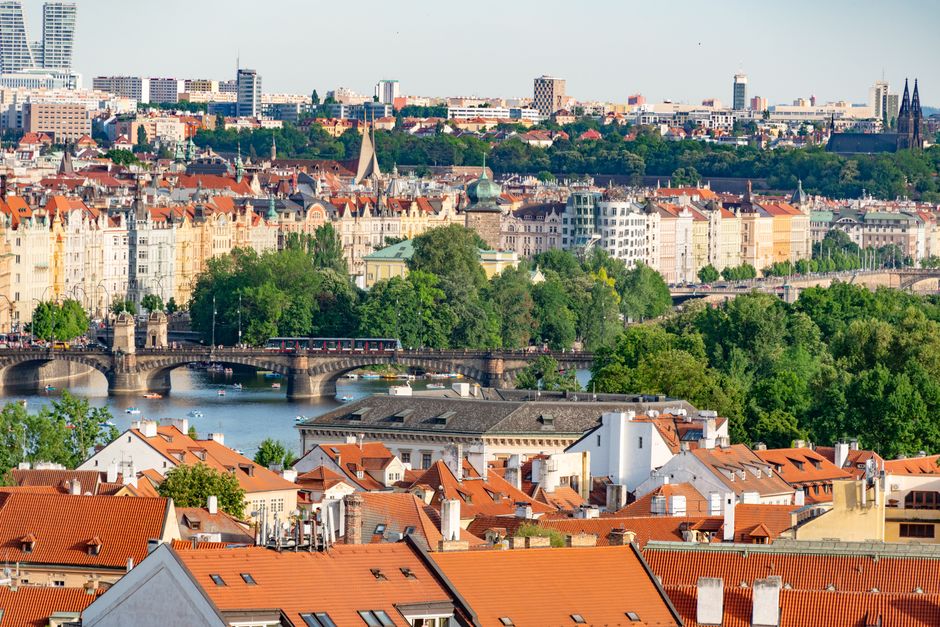
Old Town and Josefov: galleries around Staroměstské–Josefov
This base is best when you want history-heavy museums and heritage sites clustered around Old Town streets. Josefov in particular is a natural fit for museum-focused travel because you can stack visits without long journeys.
Why it works for tram travel: you’ll be close to frequent central tram stops that serve as a “hub” for reaching other museum districts later.
Walking reality: you can plan compact museum days here, but expect cobbled streets and tight lanes. For wheelchairs and heavy luggage, keep your route flexible and avoid the steepest shortcuts.
Malá Strana and Kampa: classical art and riverside museum time
Malá Strana is a strong museum base when you want a mix of art spaces, smaller collections, and atmosphere. Kampa adds a calmer feel near the river, which helps if your museum schedule includes early starts.
Why it works for museum pacing: Malá Strana’s sites often suit “one museum, one slow stroll” days. You can break up sightseeing with riverside walks instead of constant transit.
Tram fit: this side is well connected by tram access along the river and nearby corridors. You’ll still do some uphill walking depending on where you book, but it’s generally manageable for day-to-day museum hopping.
What to book if you’re museum-first
For these Prague 1 bases, rooms can vary widely by building layout. If museums are your priority, focus on usability:
- choose a place that’s an easy walk to a tram stop (not just “close in a straight line”)
- check whether the building involves steep stairs or tight lifts
- in busy seasons, book earlier than you think—central Prague can sell out for the exact dates you want
Hradčany: the Castle plateau as your single anchor
If you want to devote one day to a dense museum-and-history zone with minimal travel, Hradčany is the most efficient “anchor.” The Castle plateau area also works well for travellers who like early quiet before crowds.
Museums and galleries at walking distance
Hradčany is essentially a museum district in itself. Instead of splitting your day across town, you can build an itinerary around the plateau’s collections and galleries, then add a little time for viewpoints and historic spaces nearby.
Tram access, then short uphill walks
Hradčany can be rewarding, but you should be realistic: even with trams and well-placed streets, you’ll usually trade a long flat commute for short climbs.
To keep it practical:
- choose accommodation on streets that are closer to the approach routes (even if they’re not “front row”)
- plan your main museum day there and use trams for the rest of your trips
Best for early starts and late light
Castle-area museums can feel crowded later in the day. If you’re booking this base, it’s worth planning at least one morning visit early, with a lighter pace afterward. This is where Hradčany shines for museum-focused travel.
New Town, plus Letná & Holešovice: broader choices without constant backtracking
When you want a wider range of museums—big institutions, contemporary art, and technical or civic collections—consider moving slightly away from the densest old-centre streets.
Wenceslas Square to the National Museum: big institutions and central logistics
Staying around Wenceslas Square is a smart museum-base if your list includes large, city-scale museums and exhibition spaces. It’s also practical for restaurant options and evening strolls after a museum day.
Why trams help: this corridor offers straightforward access for getting to other museum zones without overly complex transfers.
Walking effort: distances feel manageable, but the area’s streets can be busy. For a museum-focused trip, you’ll probably love it for “anchor” visits, not for constant back-and-forth across town.
Letná and Holešovice: contemporary energy and tech-style museums
Letná and Holešovice are excellent if your museum mix includes contemporary art and more niche collections. The payoff is that you often get calmer streets than Old Town while still staying connected.
Museum clustering advantage: you can build a day around contemporary and modern institutions in this part of the city, then return to your hotel without fighting through the most congested central lanes.
Tram practicality: you’ll generally find tram access that makes north–central movement easier than it looks on paper.
Where trams matter most: crossing between sides of the river
A common museum-traveller frustration is crossing the river repeatedly. If you split your time between New Town institutions and Letná/Holešovice-style museums, tram planning becomes the difference between a relaxed schedule and a day full of “just one more transfer.”
Try to keep your itinerary within one side of the river per half-day block, using trams as the direct connector rather than walking long gaps.
Next steps: pick your tram line and lock your room
Decide which museum cluster you’ll visit most (Old Town/Josefov, Malá Strana, the Castle plateau, New Town, or Letná/Holešovice), then choose accommodation that’s a comfortable walk from the nearest frequent tram stops. Once the base is set, book your stay and any timed-entry museum tickets early for your preferred dates, especially in peak seasons when central areas sell out faster.