

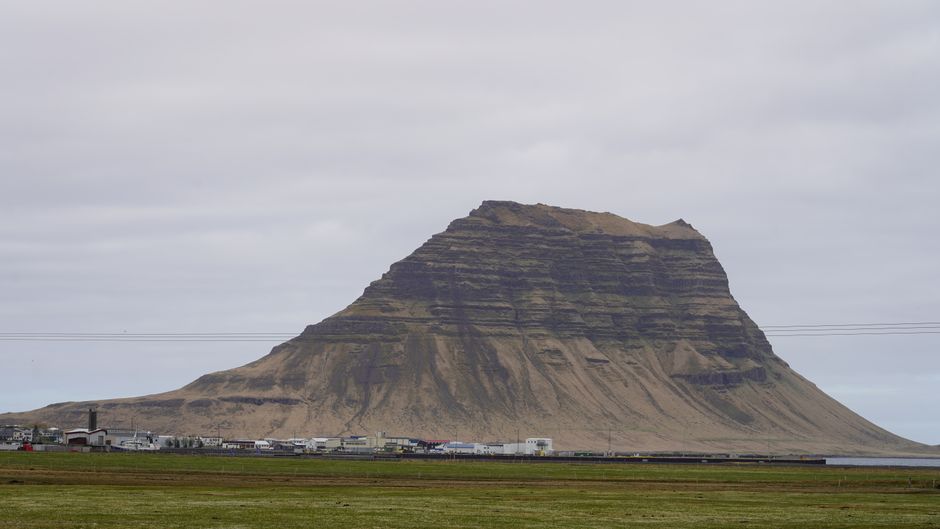
If you’re travelling from Reykjavík and you want Snæfellsnes without hiring a car, the key is to treat the peninsula as a set of bus-connected zones. You’ll usually start with a bus to Borgarnes, then connect onto the longer-distance service that runs along Route 54/56 through towns like Ólafsvík, Hellissandur, and further west toward Stykkishólmur and Grundarfjörður.
Because schedules and connections can vary by season (and sometimes by weekday), the best plan is to copy a “template” itinerary and match it to the day’s departure times in the timetable you’re using.
Public Transport Basics for Snæfellsnes Day Trips
Reykjavík → Borgarnes as the usual gateway
Most public-transport options funnel you through Borgarnes first. From there, you’re looking for a connection that continues west/southwest along the peninsula.
A practical way to plan:
- Pick your destination zone (Grundarfjörður / Stykkishólmur / Arnarstapi area)
- Find the bus that gets you closest in the afternoon return direction
- Build your on-the-ground time around the reliability of your connection, not just the “ideal” sights
Rough journey times you can plan around
Expect these broad timings (they’re intentionally “range” estimates):
- Reykjavík → Borgarnes: about 1 to 1.5 hours
- Borgarnes → western Snæfellsnes towns (depending on how far west you’re going): about 2.5 to 4 hours including stops
- Local walking time on the coast: often 1 to 3 hours per area, depending on wind and how many viewpoints you stop at
If you’re travelling in winter, daylight is the limiting factor more than distance. In summer, you can be more flexible, but the coast can still be exposed.
Where the buses drop you (and why that matters)
Public transport will drop you in towns rather than at trailheads everywhere. That’s why your “best day trip” depends on how you want to move once you’re off the bus.
For a one-day plan, you’ll generally do best with stops that are:
- Walkable from the drop-off point (harbour streets, small town centres)
- Connected by short coastal paths (when conditions are calm)
- Easy to reach by stepping out of the bus, then returning on foot to the same pickup area
3 Classic Day Trips From Reykjavík
Each itinerary below is designed around a single bus-connected zone, so you don’t spend the whole day on connections.
Grundarfjörður & Kirkjufell (for dramatic mountains and calmer town streets)
This is the “wow-at-a-distance” day trip. Even if the wind is active, the viewpoints around the harbour and the iconic mountain are easier to manage than exposed cliff walks.
Aim for:
- Borgarnes (first leg)
- Grundarfjörður
- Kirkjufell
- Búðir Black Church
A timing template (work with departures you find that day):
- Morning: bus from Reykjavík to Borgarnes, then connect onward toward western Snæfellsnes
- Midday: arrive Grundarfjörður, use the harbour area first (best light and easiest strolling)
- Early afternoon: take a viewpoint-focused block around Kirkjufell
- Late afternoon: continue toward Búðir Black Church if the connection timing allows, or reverse it (do Búðir first if it fits the bus)
- Return: choose a bus that gets you back through Borgarnes with enough buffer to avoid missing a connection
Where to be strict with timing: the return. If a connection is tight, shorten your last stop rather than trying to “just catch the next one.”
Stykkishólmur & Breiðafjörður (for scenery without committing to long coastal trails)
If you’d rather spend time on sheltered waterfronts and viewpoint drives/walks, this is the smoother choice.
Aim for:
- Ólafsvík
- Stykkishólmur
- Breiðafjörður fjord viewpoints
A timing template:
- Morning: Reykjavík → Borgarnes, then connect toward Ólafsvík and onward
- Midday: arrive Ólafsvík for a quick harbour/town stop (great for a relaxed break)
- Early afternoon: continue to Stykkishólmur and do the waterfront first
- Late afternoon: head to a Breiðafjörður viewpoint (keep it short on windy days)
- Return: book your return around the time you’re willing to wait for your connection—this route is still bus-based, so you’re planning for “catch the bus,” not “miss nothing”
Tip: Stykkishólmur is a good place to reset—cafés, indoor stops, and short walks can replace longer hikes when the wind rises.
Arnarstapi–Hellnar & Snæfellsjökull (for coastlines and sea stacks)
This is the classic Snæfellsnes coast day, but it’s also the most wind-exposed. If the forecast looks rough, use the wind swaps section below.
Aim for:
- Arnarstapi
- Hellnar
- Djúpalónssandur
- Lóndrangar sea stacks
- Snæfellsjökull National Park area
A timing template:
- Morning: Reykjavík → Borgarnes, then connect toward the Arnarstapi/nearby area
- Midday: arrive Arnarstapi and do the shortest possible “coastline highlights” loop
- Early afternoon: move on to Hellnar (short walks and viewpoint pauses)
- Afternoon: continue to Djúpalónssandur (black pebbles, dramatic weather photos—if wind allows)
- Later afternoon: if it fits the buses, stop near Lóndrangar; otherwise, swap it for a more sheltered viewpoint block
- Return: catch the bus back, leaving yourself time to get back to the main road/pickup point
Coast walk reality check: even with good legs, gusts can turn a “quick route” into a slow, backtracking day. Plan for shorter legs than you think you need.
What to Pack and How to Stay Flexible
This peninsula rewards the traveller who expects sudden weather changes.
Windproof layers beat “warm enough” clothing
You’re dealing with wind off the ocean, not just temperature. A practical kit usually includes:
- A proper windproof outer layer (not just a hoodie)
- Warm mid-layer you can keep on when you stop for photos
- Gloves and a hat (even in shoulder seasons)
Keep your day-trip pace realistic
You’ll often lose time to:
- Adjusting layers before you even start walking
- Finding safe footing near cliff edges
- Waiting for a bus connection if the morning leg ran behind
Build in buffer time between each “must see.” If you’re choosing between two coastal stops, pick the one you can still enjoy if the wind is stronger than forecast.
Carry snacks and water for connection gaps
Public transport days can mean a longer stretch without easy options. Bring enough for at least one meal plus a backup snack—especially if you’re travelling outside peak summer.
Swaps for Wind-Heavy Days
When the coast is whipping, the goal is to swap from “exposed walking” to “enjoyable scenery with sheltered breaks.”
If Arnarstapi–Hellnar feels too gusty, shorten the coastal segment and spend more time in towns (waterfront streets and indoor stops). If the wind makes Djúpalónssandur unpleasant, treat it as optional and focus instead on viewpoint stops you can reach quickly from the road, plus harbour areas where you can reset. For the western route (Grundarfjörður side), prioritise the harbour streets and viewpoint blocks around Kirkjufell, then move the rest of the day into cafés and short walks rather than longer cliff paths.
Booking Checklist and Timing Tips
Choose departures that protect your return
For day trips, the best plan is the one that gets you back with no risky connection. That usually means:
- Picking a return bus with a buffer (don’t rely on “maybe it’ll come early”)
- Cutting one sightseeing block if you’re running behind
Match your plan to the season
In summer, you can more comfortably string together multiple stops. In winter, you’ll likely do best with fewer zones and shorter walks, even if buses run. If you’re travelling in colder months, prioritise towns first and treat long coastal walks as conditional.
Don’t overbook your “must” stops
Snæfellsnes can be dramatic enough that you don’t need every landmark to make the day work. If a transfer looks tight or the weather shifts, it’s better to enjoy one iconic viewpoint fully than to rush between five places.
Next Steps
Start by choosing which zone fits your mood—Grundarfjörður for iconic views, Stykkishólmur for a gentler waterfront day, or Arnarstapi–Hellnar for the classic coast. Then pick a day trip “template” above and match it to the timetable for the exact date you’re travelling, with extra attention to the return connection. Once your route is confirmed, pack for wind and keep your first stop in the town area rather than the open coast.