

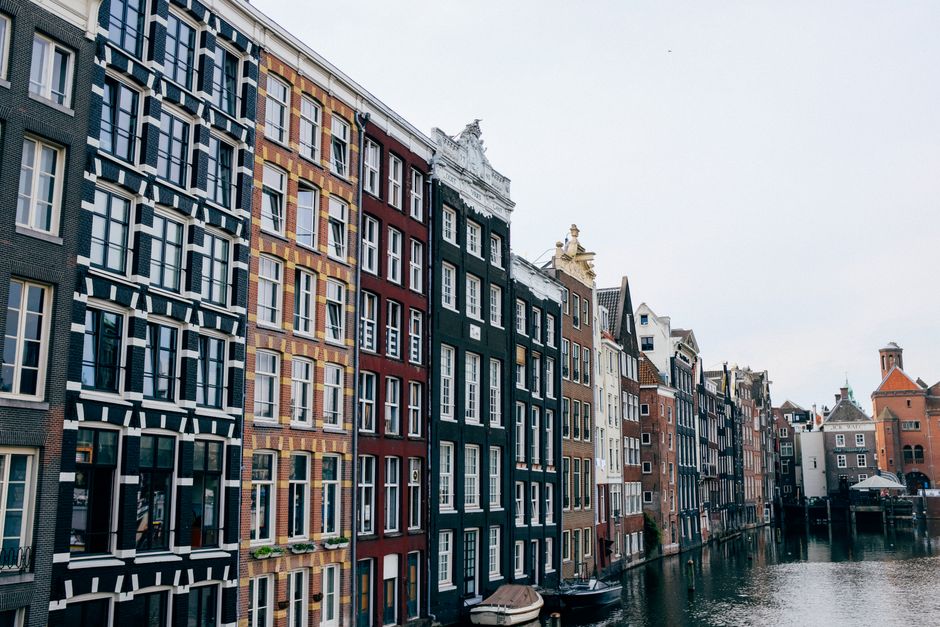
If you’re visiting Amsterdam for the first time, your hotel neighbourhood will shape the whole trip. The city is compact, but it’s also uneven: some streets are effortless for walking and trams, while others feel crowded, noisy at night, or hard to reach.
Use these neighbourhoods as practical starting points—then refine based on your tolerance for bustle and your plan for museums, food, and late evenings.
Best Walkable Bases Around the Canal Belt

Canal Ring (Grachtengordel): easiest for classic sights
Staying on or near the canal belt is the most straightforward way to see Amsterdam’s postcard core without constantly recalculating routes. You’ll be close to historic streets, bridges, and walking paths that connect major sights in a natural loop.
Choose this area if: you want to walk to most attractions and enjoy the “canals first” experience.
What to watch: canal-belt streets can feel crowded in peak hours, and many buildings are older—rooms may be smaller and sound can carry.
- Look for lodging within an easy walk of multiple bridges (it helps you avoid dead-ends).
- If you’re a light sleeper, prioritise rooms set back from main streets.
Jordaan: charming streets with a calmer rhythm
Jordaan is a popular choice because it feels central but more lived-in than the busiest tourist lanes. You’ll find boutique shopping, small galleries, cosy cafés, and a relaxed atmosphere that still puts you within easy reach of the canal belt.
Choose this area if: you want a “walk out and wander” stay with neighbourhood character.
What to watch: weekends can get busy around the most popular crossings and café clusters. If you’re sensitive to nightlife sounds, request a quieter room facing away from the main lanes.
Best Neighborhoods for Food, Cafés, and a Local Feel
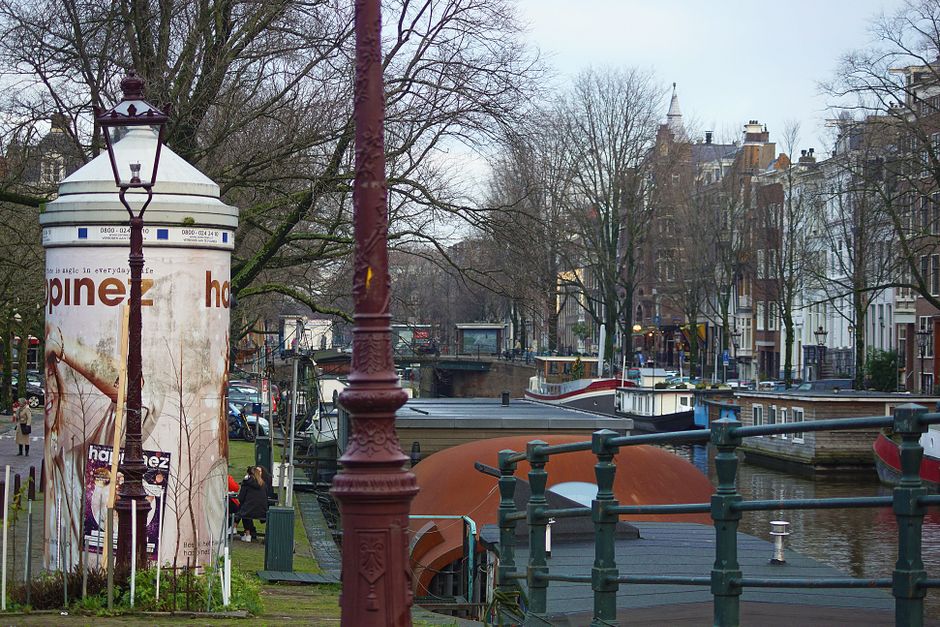
De Pijp: markets, dining, and great tram access
De Pijp is where many first-time visitors land when they want variety—good food, lively streets, and a sense of being among locals rather than only among tourists. It’s also strong for getting around: trams connect you quickly to museums, the canal belt, and major stations.
Choose this area if: your trip includes lots of meals out and you plan to mix walking with transit.
What to watch: dining streets can be noisy later in the evening, especially on warmer nights.
- When booking, scan reviews for noise mentions and ask for higher floors if available.
- Plan for lively evenings in the centre of De Pijp—then balance it with a quieter hotel side street.
Oud-West: a trendy base with breathing room
Oud-West is a smart pick if you want a stylish atmosphere without being pressed right up against the most crowded canal intersections. It’s well connected by trams and is good for exploring on foot, including parks and cultural spaces that break up sightseeing days.
Choose this area if: you want a neighbourhood feel plus easy access to museums and shopping.
What to watch: it can be busy around the most popular venues, and some streets are a bit noisy during event nights.
- Consider staying closer to tram lines for flexibility on rainy days.
- If you’re travelling with someone who sleeps lightly, choose a room away from venue-heavy blocks.
Best Neighborhoods for Museums, Parks, and a Softer Night
Museum Quarter (Museumkwartier): perfect for museum days
If your itinerary is heavy on major museums, the Museum Quarter is a logical base. You’ll be able to walk between several venues and also reach the city centre without the hassle of long transfers.
Choose this area if: you want minimal transit friction for museum-focused sightseeing.
What to watch: this area can be busy during peak seasons and school holidays, especially around the museum cluster.
- Aim for lodging slightly off the main museum streets for a calmer night.
- Book museum tickets ahead (popular timed-entry slots go quickly).
Oud-Zuid (Vondelpark and Concertgebouw area): park views without losing convenience
Oud-Zuid is a strong match for travellers who want beautiful streets and greenery. Being close to Vondelpark gives you an easy “reset” between museum days, long canal walks, and evening plans.
Choose this area if: you want calmer streets, scenic walks, and a more relaxed pace at night.
What to watch: rooms can cost more here than in some other neighbourhoods, especially when demand is high.
- Prioritise tram access or a short walk to a tram stop if you want to avoid cycling.
- If you’re arriving late, check how straightforward it is to reach your accommodation from your main arrival point.
Best Neighborhoods for Transit Convenience and Better-Value Rooms
Amsterdam Noord: newer feel, calmer streets, easy connections
Crossing to Amsterdam Noord changes the atmosphere. You get a more modern, occasionally industrial-edge neighbourhood vibe, plus a calmer feel compared with the most central tourist lanes. The ferry and tram routes make it practical for sightseeing while still offering a break from the busiest streets.
Choose this area if: you want a quieter base and don’t mind a slightly more “scenic” commute to the centre.
What to watch: the feel of Noord can vary block by block—some areas are more built up than others. In windy or rainy weather, the waterside walk can feel colder than you expect.
- Choose lodging nearer to the tram route or quick ferry connections.
- If you’re spending many hours in the centre, plan a few “walk-to-tram” days rather than assuming every sight is on your doorstep.
Centraal Station & Nieuwmarkt edge (transit-first Centrum)
Staying near Centraal Station can simplify logistics—trams, trains, and ferries are all in your orbit. This can be especially helpful for first-time visitors who are still learning the city layout.
Choose this area if: you want maximum convenience and you’re comfortable with a busy urban environment.
What to watch: station-adjacent areas and some nearby streets can be loud, busy, and more visually “chaotic” than quieter neighbourhoods. Noise sensitivity matters here.
- If you’re booking for early starts, focus on soundproofing and interior-facing room requests.
- Expect crowds around major routes at certain times of day—build in buffer time for walking.
Where to Avoid Staying (or Book Carefully)
You don’t need to steer far away from central Amsterdam to avoid problems—you just need to be picky about street character.
Noise and late-night atmosphere
Amsterdam has nightlife, and some streets act like noise funnels. If you want an easy sleep, avoid places directly next to the most bar-and-club clusters, and request rooms that face away from main lanes.
Tourist crowd traps in practice
Some streets are technically central but functionally unpleasant at peak times: long lines, constant foot traffic, and difficulty accessing your accommodation. Instead of judging by “map distance,” look at whether you’ll be fighting crowds to get to tram stops and bridges.
Convenience vs. comfort trade-offs
The most “perfect location” can be the most exhausting if you’re constantly stopping and starting between busy lanes. If you’re planning early mornings or museum days, choose a neighbourhood that lets you reach key routes without crossing the city’s busiest hubs on foot.
What to Do Next
Start by matching your itinerary to one neighbourhood “type”: canal-belt classics (Canal Ring or Jordaan), museum convenience (Museum Quarter or Oud-Zuid), food and cafés (De Pijp or Oud-West), or transit-first practicality (Noord or the Centraal/Nieuwmarkt edge). Then shortlist places within each area and filter by noise mentions and room orientation.
Once your base is chosen, book early for peak season and purchase timed museum entries ahead so your days stay flexible.