


If you’re island-hopping from Cebu, your hotel location matters more than usual. Ferry departures can be tight, and Cebu traffic can turn a “short” airport ride into a long one.
The most convenient strategy is simple: pick a base that reduces time to your most important departure—then choose a neighbourhood that keeps airport transfers reasonably predictable.
Below are the best Cebu City neighbourhoods for convenient access to inter-island ferries and the airport, with clear trade-offs.
Pick a Base the Right Way: Ferries First, Airport Second

Know Which Ferry Area Matches Your Route
In Cebu City, inter-island ferries cluster around the main port zones. Your best base is the one that cuts your transfer to the port to a realistic, repeatable ride—especially if you’re aiming for an early departure.
Traffic Is the Real Schedule Constraint
Cebu’s main roads can slow you down during rush hours and after dark. Even short distances can feel long when you hit congestion around key corridors.
Book Your Transfers with Buffer
For ferries, it’s safer to plan arrival with a cushion for check-in lines and boarding queues. For the airport, you’ll want a similar buffer because traffic patterns can vary by time of day.
Best Neighbourhoods for Ferry Convenience
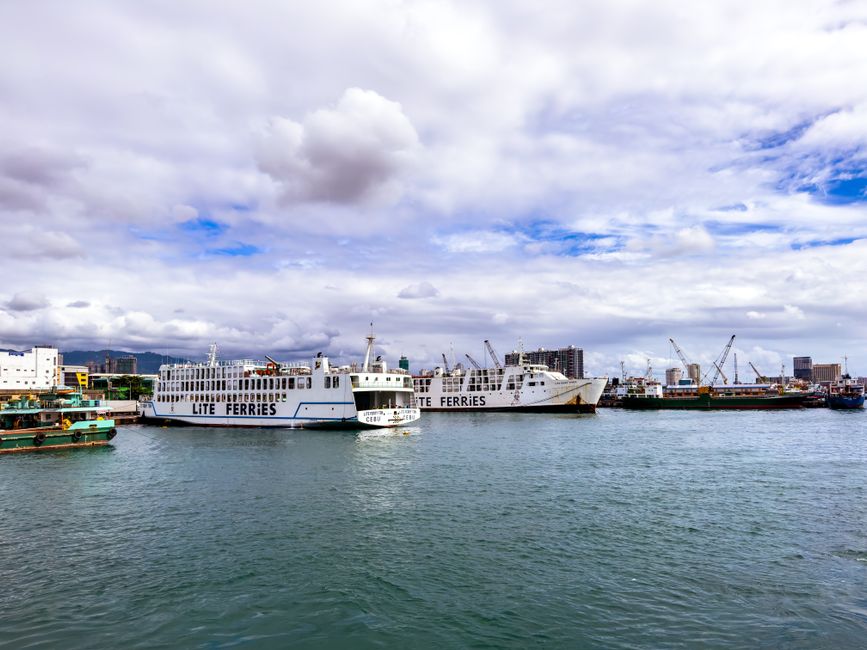
North Reclamation & Pier Area
If your priority is minimizing transfer time to the port, this is the tightest-fit base.
Why it works for ferries
- You’re close to the port zone, so you typically spend less time in traffic on ferry days.
- It’s one of the easiest areas to reach when timing matters.
Trade-offs
- Expect a more utilitarian neighbourhood feel, with more vehicles and activity concentrated around the waterfront.
- Accommodation can be pricier in the immediate port-adjacent belt, especially for newer properties.
Practical tip
- Choose a room with good sound insulation if you’re sensitive to road and waterfront activity.
Downtown (Capitol Site–Colon St)
For many travellers, Downtown is the compromise: still reasonably practical for ferry transfers, while keeping you close to Cebu City’s core sightseeing and dining.
Why it works for ferries
- You can reach the port zone in a short ride when traffic flows normally.
- It’s convenient when your day includes both a ferry connection and city activities.
Trade-offs
- Peak traffic can build quickly around central corridors.
- Some streets can feel busy at night, so it’s worth prioritizing a quieter side street if you want sleep.
What to look for
- A location with straightforward access to major roads—this reduces the chance of getting stuck in slower side-street routes.
Mabolo (Near Major Malls and Business Streets)
Mabolo sits in a “middle” position: it can be convenient for ferry days while still offering easier day-to-day comfort.
Why it works for ferries
- It’s generally well connected to the routes heading toward the port area.
- You’re not far from Downtown without staying in the busiest centre.
Trade-offs
- During rush hours, cross-city trips can still slow down.
- Some areas feel more “shopping and office” than local—great for convenience, less so if you want a quieter, residential vibe.
Best Neighbourhoods for Easy Airport Transfers
Cebu Business Park & Lahug
If the airport transfer is your second (or first) priority, Cebu Business Park and the surrounding Lahug area are often the most practical bases.
Why it works for the airport
- You’re positioned for straightforward drives toward the airport approach routes.
- It’s a comfortable base if your itinerary includes meetings, dining, or a late arrival.
Trade-offs
- You’ll usually trade some proximity to the port for better airport convenience.
- This area can feel expensive compared with older neighbourhoods.
What to look for
- A hotel with easy pickup/drop-off access at the main road so your driver doesn’t have to navigate tighter lanes.
Banilad & Cebu IT Park Corridor
Banilad is a strong choice when you want a modern, practical base that usually makes airport transfers simpler.
Why it works for the airport
- It’s generally convenient for trips heading toward Mactan-Cebu Airport routes.
- The area often supports quick access to dining and services, which helps on travel days.
Trade-offs
- Ferry-day transfers can take longer than staying right by the port zone.
- Traffic build-ups can still affect timing, particularly if you’re travelling at peak hours.
Practical tip
- If you have a ferry the same day as an airport transfer, leave extra buffer for cross-city movement.
Mabolo (Near Major Malls and Business Streets)
Mabolo is worth mentioning here because it often works as a balanced base: it can support both ferry transfers and airport rides without feeling as far from either as a purely “airport-first” zone.
Why it works
- Good connectivity to key roads can make both trips manageable.
- You usually get more reliable day-to-day convenience (food options, transport availability).
What to watch
- If your ferry is very early, a more port-adjacent base may reduce risk more than Mabolo does.
When the Two Trips Clash: How to Choose Between Convenience and Comfort
Use This Rule of Thumb
If your schedule includes a tight ferry departure (especially early in the morning), prioritize the neighbourhood that minimizes your port transfer.
If your first major movement is the airport—late arrival, an early flight day, or a long luggage move—prioritize the neighbourhood that makes airport transfers smoother.
Avoid These Common Pitfalls
- Staying “in-between” without a plan: A location that sounds central can still mean long rides on congested corridors.
- Relying on ride-hailing at peak times: On busier travel hours, availability and travel time can vary.
- Booking a far-flung base for a same-day ferry + airport day: Even good routes can slow down enough to ruin timing.
What to Book Ahead (Without Overthinking)
For the best experience, book ahead for things that affect timing:
- Ferry tickets for your route and preferred departure time.
- Your accommodation so you can choose a room close to the main access road.
- A backup plan for transport if traffic worsens (for example, arriving earlier than planned).
What to Do Next
Pick your neighbourhood based on the day you have the tightest timing: ferry departure day or airport departure day. Once you’ve chosen the base area, compare a couple of hotels in that neighbourhood and prioritise easy pickup/drop-off access and a calmer side-street location. If you share your rough ferry departure time and flight time (morning or evening), you can narrow the best match quickly.