


If you’re planning a car-free Mexico City stay, you’re really choosing between two things: how close your base is to a Metro line, and how pleasant (and well-lit) the blocks feel when you’re walking back at night. The neighbourhoods below aren’t a generic ranking—they’re grouped by how easy it is to get around, how walkable the streets are, and whether the area stays comfortable after dark.
Roma Norte & Condesa: walkable blocks with quick Metro hops

Metro access that doesn’t force transfers
Both neighbourhoods sit close to key Line 1 stations, so you can get to a lot of central sights without complicated route planning. If your hotel is within about a 10–15 minute walk of a major station (or a straight shot along a main avenue), you’ll feel the difference in daily stress.
Evening safety: lively streets, but still walk with intent
These areas tend to stay busy in the evenings on weekends and around popular restaurant streets, which helps. Still, avoid cutting through quieter side streets late at night—use main roads and well-lit corridors, and keep your phone and camera secured while you walk.
Day-trip friendliness: central pick-up points are nearby
Because you’re close to the central Metro grid, it’s easier to line up day trips that start earlier (whether you’re joining a tour or catching buses in the city). You’ll usually find it simpler to get to a starting point than from the far edge of town.
What to watch for: on busy weekends and during high season, the streets can feel noisy and crowded around dinner time. Rooms can also sell out faster than in more residential areas.
Juárez & Zona Rosa: central energy with straightforward connections
Where the Metro makes a difference
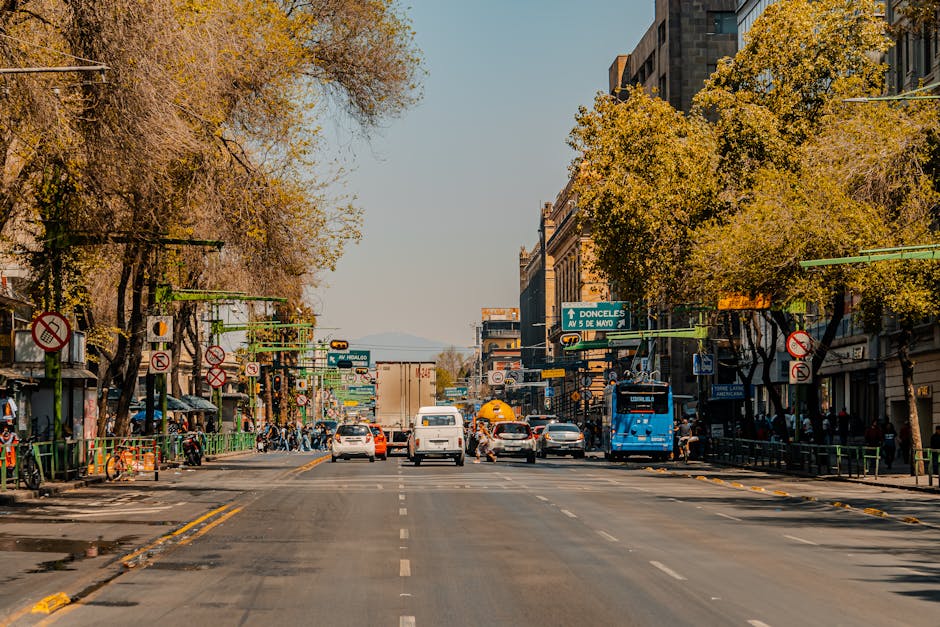
You’ll benefit from being near major transfer points along the central lines. The big practical advantage here is that you can reach many “must-see” areas with one ride or a simple change, instead of planning long bus routes.
Walkability that depends on your exact street
This is where the neighbourhood-by-neighbour approach matters: some streets feel pedestrian-friendly and active, while others are less inviting after dark. Prioritise streets near larger avenues and hotel zones where sidewalks are consistently used.
Evening safety: plan routes, don’t wander
Evenings in Juárez/Zona Rosa can be energetic, but that also means you’ll see more crowds and more opportunities for pickpocketing. Keep bags zipped, avoid showing valuables, and stick to well-lit routes back from restaurants and bars.
What to watch for: in some pockets, late-night foot traffic can feel chaotic. If you’re travelling with someone who doesn’t like crowds, test your “walk back” route in advance by using the main roads rather than shortcuts.
Centro Histórico & the Reforma corridor: culture by day, Metro by night
Centro Histórico is the place to stay if your trip is built around monuments, museums, and the classic city centre vibe. Reforma adds a more modern, wide-avenue feel and can make Metro access and walking smoother.
Metro depth: you’re near multiple lines and major stations
Centro Histórico sits close to stations like Pino Suárez, Zócalo/Tenochtitlán, Bellas Artes, and Allende (depending on the exact hotel location). That concentration of stops is a real advantage when your plans change—especially if you’re fitting museums around weather.
Walkability: great for sights, less forgiving for late nights
During the day, you’ll find plenty within walking distance, and the area feels designed for sightseeing. After dark, the experience can vary a lot by block—some areas remain active, while others feel quieter and less comfortable.
Day-trip friendliness: good starting points for organised tours
If you’re doing a well-structured day trip (for example to major archaeology sites or day-long cultural routes), central locations make it easier to meet groups and catch scheduled departures.
What to watch for: Centro can feel tourist-heavy. It can also be busier around landmark streets, where pricing for food and activities may skew upward compared with more local neighbourhoods. If you’re budget-conscious, treat the immediate tourist zone as a starting point, then walk a little farther for better value.
Polanco & Chapultepec-adjacent streets: comfortable bases near green space
Polanco gives you a calmer “upscale” base with easy access to large parks and museums nearby—ideal if you want walks that feel pleasant even when you’re not out for nightlife.
Metro access plus a more relaxed walking pace
Polanco can be a bit more selective: you’ll often get the best mix of transit access and walkability by choosing hotels closer to major Metro stations (for example, areas around Line 7 stations such as Polanco or Auditorio) and staying within a reasonable walk of green spaces.
Evening safety: generally comfortable, with smart walking habits
This is usually one of the more reassuring neighbourhoods for evening strolls. Still, stick to main streets and brighter routes, especially if you’re walking back after an event.
Day-trip friendliness: convenient for fast connections
Polanco’s central location usually makes it easier to reach popular day-trip starting points without spending too much time crossing the city. You may also find it simpler to organise private transfers if your itinerary is time-sensitive.
What to watch for: costs tend to be higher here than in Roma/Condesa or farther-out areas. If you’re trying to keep the trip affordable, set expectations and compare room options before you commit.
What to Do Next
Pick one neighbourhood base, then filter hotels by proximity to a main Metro station and by whether the street you’ll walk on at night looks consistently active and well-lit. If you share your travel month and whether you prefer cafés, museums, or nightlife, you can narrow this list to the most comfortable fit for your itinerary.