


Top Picks: Big Parks Within Easy Metro Reach
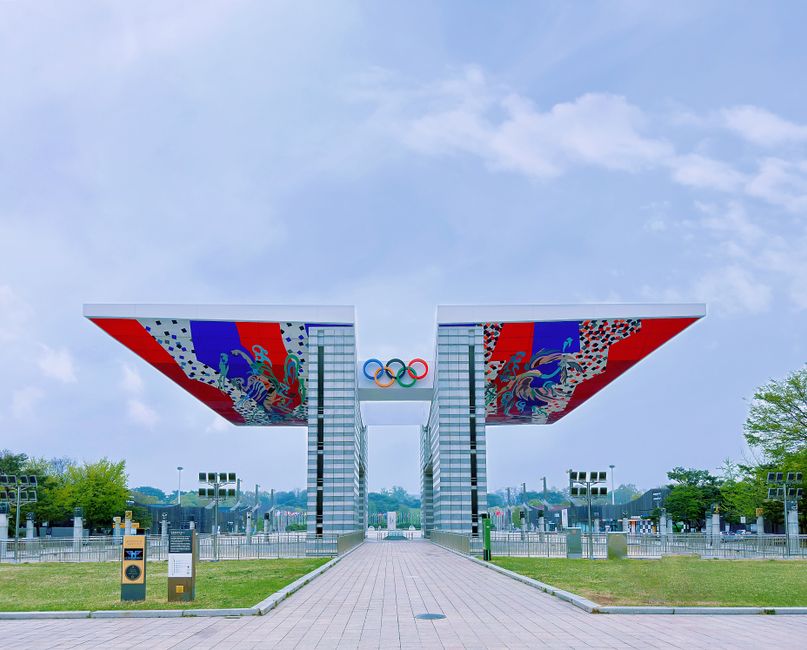
Jamsil (Songpa-gu): Olympic Park and Seokchon Lake Energy, Without Needing a Car
Jamsil is a strong choice when you want an easy “park + everyday errands” base. Olympic Park and the Seokchon Lake area give you wide, walkable spaces where kids can run, and adults can reset between museum visits or department-store browsing.
This is metro-first living: you’re typically close to major subway connections, which helps if your day is built around timed activities rather than traffic.
Target metro lines: Line 2 and Line 8 (Jamsil area).
Why families usually like it
- Big green space planning: long walks are simple, so you don’t burn time finding a safe route.
- Plenty of casual “in-between” stops nearby (cafés, convenience stores), which matters when kids need snacks and a bathroom break.
- Good weekend options: Olympic Park outings work well even if you’re not planning anything ticketed.
What to watch for
- It can feel busy around major event days and peak weekend hours, especially near the largest park entrances.
- If you’re in a stroller, do a quick check on building access (ramps/elevators) so you don’t lose time to stairs.
Yeouido (Yeongdeungpo-gu): Riverside Park Time, Plus Direct Subways
If your family’s idea of fun is “parks that feel outdoors, even when Seoul is busy,” Yeouido is worth a look. The riverside area gives you long promenade walks, open lawns, and regular playground-style spaces along the Han River corridor.
It’s also one of the easier neighbourhoods for metro-first plans because you can build many days around a single main subway line.
Target metro lines: Line 5 (Yeouido area).
Why families usually like it
- The park rhythm is straightforward: you can plan a half-day around the river and still make it back for an easy dinner.
- Good “no-pressure” play: kids can move freely without the day turning into a long museum schedule.
- Evening walks work well when the weather is mild (spring and autumn are the easiest seasons for this).
What to watch for
- Like other Han River bases, it can get crowded during sunny weekends and holiday periods.
- You may notice more event-style foot traffic when big riverside attractions are active.
Family-Friendly Green Corridors For Walks And Picnics

Seongsu / Seongdong-gu: Seoul Forest Days and Café-Friendly Stroller Routes
Seongsu (in Seongdong-gu) is a practical family base when you want calmer neighbourhood energy and a serious park anchor. Seoul Forest is one of the most useful “destination parks” in the city for families who still want subway access.
This area tends to feel less like a single attraction zone and more like a livable district—useful if your kids need downtime between outings.
Target metro lines: Line 2 (Seoul Forest area) plus nearby connections in Seongsu/Seongdong.
Why families usually like it
- Easy park pacing: you can do a short playground stop, then extend into a longer greenery walk.
- A good balance of “things within walking distance” and “subway access when weather turns.”
- Useful for families who want a quieter base at night while still commuting easily.
What to watch for
- Some blocks are better for walking than others—do a quick map check for sidewalks and crossings if you’re travelling with strollers.
- Weekends can still draw families to the forest and surrounding paths, so start earlier if your kids get restless late in the day.
Mapo-gu (World Cup Park and Han River parks): Big Open Space Near Strong Subway Links
Mapo is a smart pick when you want large outdoor space and reliable metro-first commuting. World Cup Park gives you a big park footprint, and the surrounding Han River areas add more greenery for flexible days.
This is particularly good if you like “walk first, decide second”—you can pivot between parks and nearby neighbourhood streets without long travel gaps.
Target metro lines: Line 6 is a key connection for the World Cup Stadium / World Cup Park side of Mapo.
Why families usually like it
- High “park per commute minute” value: the outdoor spaces are close enough that you can plan spontaneous park time.
- The Han River corridor is ideal for quick play sessions when kids can’t handle another indoor activity.
- Mapo’s transit network makes it easier to commute to other parts of Seoul without complicated transfers.
What to watch for
- If you’re travelling around large sports or big event days, foot traffic can spike in the park-adjacent station areas.
- Some park walks have longer stretches—pack water and plan your breaks.
Kid-Focused Days Without Long Transfers
Gwangjin-gu (Children’s Grand Park area): A Purpose-Built Day for Families
If your family wants a “set-piece” day—something with playground time, open space, and kid-friendly attractions—look toward the Children’s Grand Park area in Gwangjin-gu. It’s one of the more straightforward places in Seoul for family outings where you don’t need to juggle multiple neighbourhood changes.
The commuting advantage is that you can structure your days around a main subway connection.
Target metro lines: Line 5 (Children’s Grand Park area).
Why families usually like it
- Clear family focus: it’s easier to plan around kids’ energy levels because the destination is built for that.
- Less “scatter travel”: you’re not constantly hopping between distant districts for basic park time.
- A good fit for families who want one big outing, plus simpler dinner plans afterward.
What to watch for
- Expect higher crowds on weekends and school holiday periods.
- Start early if you want calmer play time and shorter queue situations.
What to Check Before You Commit to an Area
Build a Metro-First Commute Test (Not a Map-Guess)
Before you choose a neighbourhood, do a quick real-world commuting check. Families tend to feel the pain of transfers more than other travellers.
- Pick 2–3 places you’ll visit most (for example: a museum day, a shopping area, and one “must-do” attraction).
- From your likely station, check whether your route uses mostly one line or needs multiple transfers.
- If you’re travelling with strollers, prioritise stations that feel easy on foot (wide sidewalks, fewer stair-only routes).
Judge Park and Playground Density in 10 Minutes
You’re not just choosing “a park nearby”—you’re choosing how often you’ll realistically use it.
Do this fast check:
- Look for at least one large park within a short subway ride.
- Scan for smaller green pockets or playground-style spaces within walking distance from your accommodation (even if they’re not the city’s headline attraction).
- Pay attention to how the neighbourhood connects: safe crossings and continuous paths matter as much as the park size.
Plan for Busy Days (So Your Trip Feels Calm)
Even the best neighbourhoods can feel crowded when kids are off school. Your goal is to reduce stress, not avoid people entirely.
A practical approach:
- Schedule park-heavy days for weekday mornings or earlier afternoons.
- Keep one “near-home” backup plan on days you expect more crowds (a local playground, a short walk, an indoor play space).
Family-Friendly Logistics Without Overpaying
Choose the Right Stay Style for Your Kids’ Routine
In Seoul, the practical difference is often less about the headline name and more about how easy your days feel.
- If you’re planning early mornings or late dinners, apartment-style stays can reduce the “move around every meal” problem.
- If you want reception help and simple check-in logistics, look for hotels that are well-connected to subway stations.
- For any stay, confirm practical details like elevator access and whether you can comfortably move a stroller from the street to the elevator.
Avoid “Transit-Too-Far” Pricing Traps
Some areas look great online but add hidden cost in time and steps.
- If a listing is technically in the neighbourhood but requires a long walk uphill from the subway, it can drain your day.
- Neighbourhoods that feel “perfect on paper” can be overpriced when they’re also the most tourist-heavy parts of town—especially for short stays.
A good rule: prioritise the best metro access first, then choose the most comfortable distance to parks.
Budget Reality for Family Trips
Seoul can be excellent value if you focus on convenience. You’ll usually pay more for larger rooms and for locations that keep you close to subway stations.
Instead of trying to squeeze into the cheapest option:
- Expect mid-range family rooms/apartments rather than strict budget pricing.
- Put your money toward distance to the subway and practical space (extra storage, comfortable sleeping setup).
Next Steps: Build a Shortlist of Stations
Pick 2 neighbourhoods first—one “big park” base and one “family day” base—then shortlist stays that sit within a comfortable walk of the nearest subway station. When your dates are set, re-check park access and commute routes for each option so you can book with fewer surprises.