


Picking where to stay in Seoul makes a bigger difference with kids than in many other cities. You’ll want a base that balances three things: easy subway rides (ideally minimal line changes), nearby green space for burning energy, and walkable access to basics like convenience stores, pharmacies, and a mix of casual meals.
Below are neighbourhoods that fit that formula—each with parks/playgrounds, solid metro connections, and a practical “day trip” radius to Seoul’s biggest sights.
Yeouido: River Parks and Direct Subway Access

Why it works with kids
- You get wide pedestrian paths and open space along the Han River.
- Parks are close enough for quick “step out and play” breaks between indoor activities.
- It’s a good match if you plan to split days between sightseeing and calmer downtime.
Parks and playground time
Yeouido’s best kid-friendly option is the riverside park area. Plan on mornings or late afternoons for cooler walking and more room to move.
Subway strategy
Yeouido is served by multiple subway lines, so it often avoids long, complicated transfers. When choosing a hotel, prioritise a station exit that’s easy with a stroller (some exits have more steps than others).
Look for areas within easy walking distance of:
- Yeouido and Yeouinaru stations
Jamsil: Lake Views and Theme-Park Energy for Kids
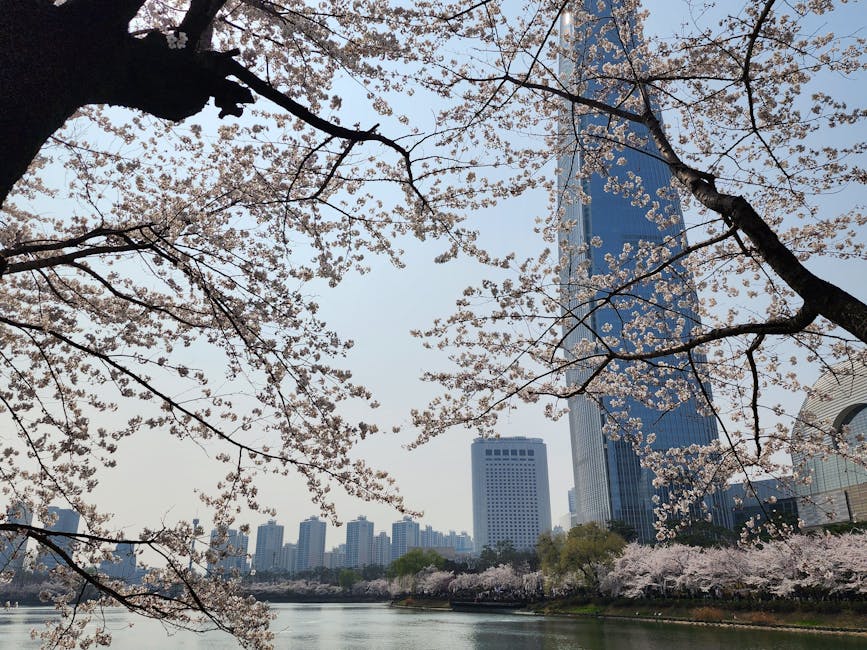
Why it’s great for families
- It’s central enough for major sights, but not so tightly packed that you feel like you’re constantly navigating crowds.
- The area is built around frequent transit and high footfall, so finding food, convenience stores, and everyday needs is usually straightforward.
- You’ll have options for both active and calmer evenings.
Best outdoor break: Seokchon Lake Park
Seokchon Lake Park is a key reason families choose Jamsil. It’s ideal for:
- Stroller walks and short laps
- Kids running around on flatter paths
- A picnic-style meal without needing a long outing
If you’re travelling in warm months, mornings and early evenings feel easiest. In winter, you’ll still find good walking routes, but keep an eye on wind along open waterfront areas.
Subway strategy
Jamsil is served by major subway lines, which helps with trips to central Seoul. For planning, it’s often easier to build your day around one main line rather than hopping between several.
Look for neighbourhoods around:
- Jamsil station and the surrounding hotel strip
Seongsu and Seoul Forest: Nature in the Middle of the City
Seongsu is popular with travellers because it feels more “local” and design-forward than older, more tourist-dense districts. For families, the payoff is that you can combine city days with proper park time.
Why it suits families with kids
- You get calmer streets and a more relaxed pace than central tourist cores.
- Seoul Forest gives you a genuine nature break that’s still within a practical subway radius.
- It’s usually easy to find casual meals and coffee shops that work when you’re managing nap schedules.
Outdoor time: Seoul Forest
Seoul Forest is one of the best options in the city for a family park day without committing to a longer trip. It’s especially useful when:
- Kids need space after indoor attractions
- You want a low-stress walk between museum/market stops
Aim for a loop walk rather than trying to “cover everything”—children often move slower once they stop to explore.
Walkability to essentials
Seongsu’s appeal with kids is that you can often handle day-to-day needs without planning a major detour:
- convenience stores and pharmacies are typically nearby
- plenty of casual restaurants for early dinners
Subway strategy
Seongsu is well connected through Line 2. When booking, confirm the walk from the station to your accommodation is manageable—Seongsu can have longer “last block” walks than it looks on a map.
Hongdae and Mapo: Parks Nearby, Plus Easy Metro Links
Hongdae attracts families who want nightlife-free daytime energy—especially if you like markets, street performances, and a lively but compact urban feel.
Why it can work well with kids
- The area has plenty of everyday conveniences, so you’re not forced into “only tourist areas” for meals.
- You can reach major parts of Seoul efficiently by subway.
- It’s a good base if you want both park time and a variety of indoor activities.
Outdoor option: World Cup Park and Han River edges
While Hongdae itself can feel crowded on weekends, it’s still practical for families because you can access larger outdoor spaces nearby. World Cup Park is a standout for a run-around day, and the broader Han River area makes for flexible, low-commitment outings.
To avoid overstimulation, plan for:
- earlier park sessions on weekends
- calmer evening plans a few stops away from the most crowded streets
Subway strategy (and the common mistake)
Hongdae is a place where it’s worth being picky about station proximity. Some hotels look close on paper, but the route may include busy sidewalks or multiple crossings when you’re travelling with a stroller.
A practical rule: aim for a short walk from a main station entrance.
Jongno and Cheonggyecheon: Central Sights With a Kids-Friendly Walk
If your priority is being close to Seoul’s classic landmarks, Jongno is often the most efficient starting point. Pair it with time along Cheonggyecheon, and you get a family-friendly “moving walkway” vibe through the centre of the city.
Why Jongno is convenient
- You’re well-placed for historic sights and museums.
- Subway access is strong, which helps when kids get tired and you need to switch to a shorter route.
- Cheonggyecheon offers a flatter, pleasant walking corridor that’s easier than many hillside routes.
A key family walk: Cheonggyecheon
Cheonggyecheon is ideal when you want a low-effort outing between sightseeing stops. It works well for:
- stroller-friendly sections
- quick play breaks without committing to a full park trip
- photo stops that don’t require long travel time
Booking tip: balance central location with noise
Jongno can be busy, especially around major tourist streets. With kids, it’s worth choosing a hotel slightly away from the most crowded blocks if budget allows. That can make a noticeable difference for sleep quality.
Subway strategy
Jongno’s strength is multiple lines serving central points. When mapping your days, try to cluster activities around stations that connect with minimal transfers.
Next Steps: Pick a Base and Book With the Right Station Access
Choose the neighbourhood that matches your trip style: river parks (Yeouido), big-day family attractions (Jamsil), nature breaks without leaving the city (Seongsu/Seoul Forest), lively urban energy (Hongdae/Mapo), or central landmarks with an easy walk (Jongno/Cheonggyecheon). Once you narrow it down, re-check the exact station exit and the walking time with a stroller—this is often the biggest difference between a smooth trip and constant detours.
When you’re ready, shortlist 2–3 accommodations in your top area and confirm you can get back quickly for rest breaks during your busiest sightseeing days.