

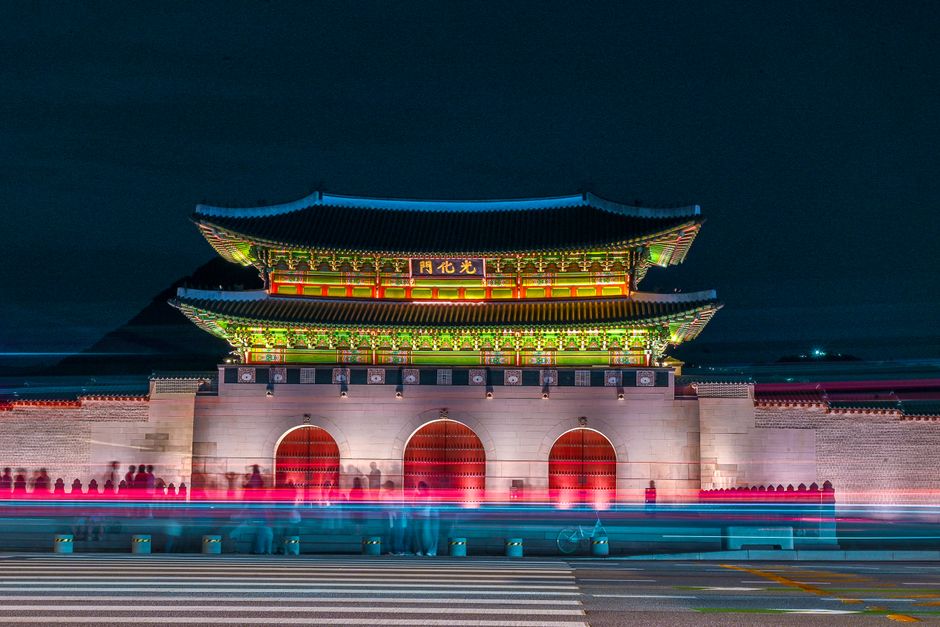
Seoul is easiest when your hotel sits between two things: grand palace sights in the morning and lively markets or night shopping after dark. The good news is you don’t need to move neighbourhoods to get both. If you choose the right area, you can do most palace visits on foot or a short subway ride, then jump to street food and big market halls in the evening.
Where Seoul’s Palaces Cluster (And What It Means for Your Hotel)
Most of the “palace belt” sits in and around Jongno—close to the historic core and several major metro stops. From there, you can branch out to evening markets across central Seoul.
Palace zone: Jongno and nearby hills
If your priority is Gyeongbokgung Palace and Changdeokgung Palace, plan to stay somewhere that gives you a quick route into Jongno’s station hub areas. Areas like Gwanghwamun, Anguk, and Jongno 3-ga are practical because they keep palace mornings simple.
Evening market zone: mix of traditional markets and late shopping
Seoul’s evenings tend to split into:
- Traditional markets (think stalls, snacks, textiles, casual meals)
- Shopping streets (fast-moving crowds, neon, street food)
- Dongdaemun-style late shopping (busy later than most areas)
How to avoid “too far” hotels
Even if a hotel is “central,” Seoul’s scale can surprise you. Before booking, check whether you can reach your two daily priorities with either:
- a short subway hop followed by a walk, or
- one main line connection (fewer transfers = less time lost).
A good baseline is staying near a station in the historic core (for palaces) and picking an evening-oriented neighbourhood only if you’re comfortable with crowds.
Best Neighborhoods for Palace Mornings and Market Nights
These neighbourhoods work well if your itinerary includes at least one major palace and at least one evening market or night-shopping area.
Jongno-gu: The Palace Quarter With Straightforward Access
Why it works: Jongno is the easiest “do everything” base. You’re close to palace gates and within a practical radius of several markets.
What you’re close to (roughly):
- Palace area walks into Gyeongbokgung and the historic streets around it
- Connections to markets such as Gwangjang Market (a common favourite for evening snacks)
Evenings: You’ll find plenty to do without heading far—whether that’s snack streets, casual restaurants, or browsing night markets and market-adjacent food.
Where to focus for lodging: Look around well-used station areas in Jongno rather than the far edges. Hotels near a main station usually give you faster arrivals and easier night returns.
Insadong & Samcheong-dong: Traditional Streets, Short Trips to Palaces and Markets
Why it works: This is a strong option when you want palace-level sightseeing during the day, then a calmer, more “Korea-on-foot” vibe at night.
What you’re close to:
- Palace access into the Changdeokgung/Bukchon direction
- Central market options reachable by subway or a combination of walk + transit
Evenings: You get traditional-street energy—teahouses, craft browsing, and plenty of casual dining. It’s not as “late-shopping intense” as Dongdaemun, but the area still feels active after dinner.
Watch-outs: Some streets are hilly and can feel steep with bags or after a long day at palaces. If you prefer flatter routes, choose lodging closer to a major station approach.
Ikseon-dong & Cheonggyecheon: Compact, Walkable, and Good for Night Snacks
Why it works: If you like short walks between attractions and don’t want to spend evenings commuting, Ikseon-dong and the Cheonggyecheon corridor are a smart middle ground.
What you’re close to:
- Palace visits via the Jongno core without long travel days
- Easy access to central food streets and traditional markets
Evenings: This area is known for lively lanes and late-evening snacks. It’s a good base if you want “market energy” without necessarily chasing a single huge market hall.
Watch-outs: Popular lanes can get crowded. On weekends (and during spring and autumn peaks), expect queues at restaurants and a busier-than-usual atmosphere.
Central-to-Eastern Bases for Evening Markets and Late Shopping
If your evening plan includes bigger market halls or late-night shopping, these neighbourhoods are often more convenient than staying too close to the palace gates.
Myeongdong & Chungmuro: Street Food Night Energy With Palace-Day Convenience
Why it works: Myeongdong is built for evenings—street food, shopping, and constant foot traffic. For palace days, it still stays practical because it’s central and well-connected.
What you’re close to:
- Easy access to classic shopping street evenings
- Reachable routes to major palaces via subway (usually faster than walking the whole way)
Evenings: This is where you’ll feel the “Seoul at night” atmosphere most strongly—especially around food stalls and busy storefront strips.
Watch-outs: Prices can be higher for hotels here than in quieter historic side streets. Also, if you’re sensitive to noise, choose a room facing away from main lanes and check for late-night activity outside.
Euljiro: Office-Neighborhood Practicality With Great Food Corridors
Why it works: Euljiro is a practical compromise: you’re close to multiple central routes, and evenings often revolve around casual dining rather than a single tourist lane.
What you’re close to:
- Central access to markets and shopping areas
- Good connections back toward the palace zone
Evenings: You’ll find a lot of “real meal” options—quick bites, diners, and neighbourhood restaurants. It’s often less frantic than the most famous shopping streets.
Watch-outs: The vibe changes by time of day. Expect it to feel calmer after business hours, then busier around restaurant streets.
The Dongdaemun Edge (Dongdaemun Area): Late Shopping and Big Market-Style Nights
Why it works: If your evening plan includes Dongdaemun shopping and you want to stay close enough for late starts, this is the base to consider.
What you’re close to:
- Direct access to late-night retail energy
- Connections to other central markets without needing to change hotels
Evenings: Dongdaemun-style nights can run longer than many neighbourhoods. It’s ideal if you want to shop after dinner or browse until late.
Watch-outs: It’s busy. If you plan palace mornings (often early), you may want to balance late nights with a steady sleep schedule. Also, traffic and crowd density can feel intense around peak evening hours.
What to Check Before You Book in These Areas
Choosing the right neighbourhood is about matching your travel style to the local rhythm.
1) Noise and crowd levels (especially in Myeongdong and Dongdaemun)
Before you commit, think about:
- whether you can handle late-night foot traffic
- if your room request (quiet side / higher floor) matters to you
A quieter street a few blocks away can make a noticeable difference.
2) Walking slope and “last 10 minutes” reality
Areas near traditional neighbourhoods can include steep sections. Even if the hotel is “close,” the route from the station can be uphill. If you’re carrying luggage or planning early palace mornings, that last part matters.
3) Price shape: central premium vs value pockets
In the palace corridor and the biggest evening zones, you’ll usually pay more than you would in outer districts. That doesn’t mean you can’t find value—just expect mid-range doubles rather than budget rates in the most convenient station-adjacent areas.
4) Booking ahead when it matters
You should book earlier if your dates overlap with:
- major public holidays
- weekend stays in spring and autumn
- multi-day trips that require very specific room types (for example, if you want a traditional-styled stay)
Build Your Trip Around One Base (So Palaces and Markets Don’t Compete)
Use this quick approach to avoid “commute creep.”
If you stay in Jongno
- Morning: palace visit (start early to beat group crowds)
- Evening: central market snacks or market-adjacent dining
If you stay in Insadong/Samcheong or Ikseon-dong
- Morning: palace direction (walkable or short transit)
- Evening: traditional streets for dinner, then add a larger market by subway when you want variety
If you stay in Myeongdong / Euljiro / Dongdaemun edge
- Morning: palace day via subway (plan for transfers if needed)
- Evening: street food and shopping first; add markets afterward only if you still have energy
A useful rule: if your “evening zone” is far from your “palace zone,” you’ll either come back tired or miss the palace early start. One base that serves both keeps the schedule realistic.
Next Steps
Pick one base that matches your evening priority—palace-focused (Jongno) or night-shopping-focused (Myeongdong/Dongdaemun). Then shortlist options by station access and plan two subway routes: one to your main palace, one to your first evening market. If you tell your travel month and whether you prefer quieter nights or late shopping, the best neighbourhood match becomes much easier.