


Tokyo can feel like one long commute—so the trick is choosing a base where you can walk to museum clusters and still get a quieter vibe for evening strolls. The neighborhoods below are selected for (1) walkability from major stations, (2) direct train access, and (3) streets that calm down after the museum crowds.
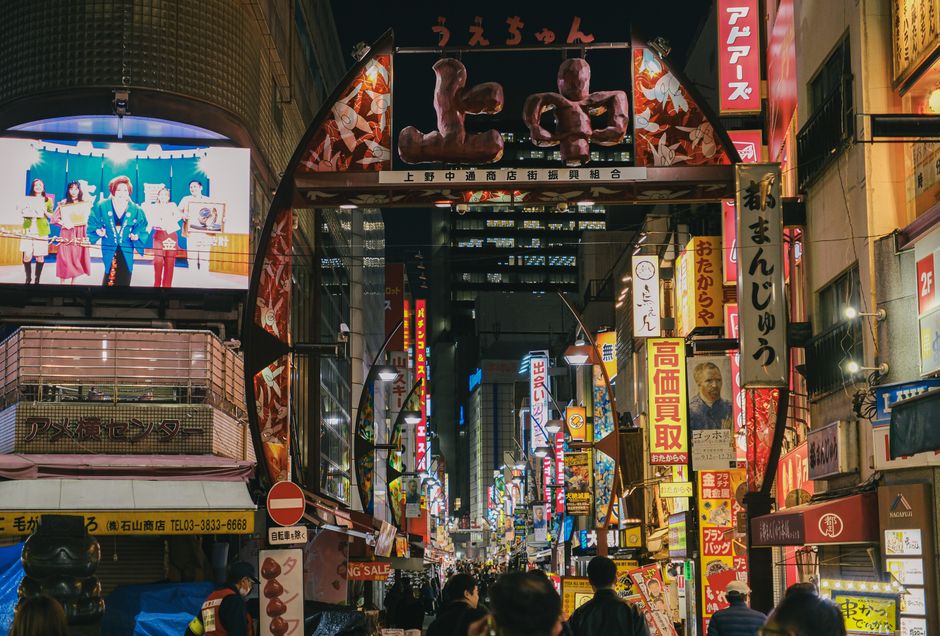
Ueno–Okachimachi: Museum Park Days, Slower Evenings on the Edge
You’ll still want to plan around crowds: weekdays are smoother, but weekends can pack the park and main museum entrances.
Night quietness strategy
Ueno proper can be lively near restaurants and the station, especially earlier in the evening. For a quieter stroll, aim for the outer edges of the museum blocks rather than the busiest front doors, and head toward nearby side streets after dinner.
A good rule: if the sidewalks are packed with people heading to the same landmark, turn one or two streets away.
Best transit fit
Ueno Station is a hub with frequent connections, so you can reach other museum-heavy areas without complicated route planning. It’s also easy to hop back and forth between Ueno and surrounding neighborhoods for a gentler nighttime atmosphere.
Nezu–Sendagi: A Calmer Museum Base in Bunkyo

This is a strong choice if your itinerary includes museums you’d like to visit at a relaxed pace rather than racing between ticket lines.
Evening stroll feel
After dark, these streets generally settle into a quieter rhythm than business districts. You’ll find plenty of side-street walking—pleasant lighting, smaller roads, and fewer “everyone is going the same way” crowds compared with the main park entrances.
If you enjoy atmosphere, this is also where you can combine museum time with a calmer, neighborhood-style wander.
Best transit fit
Nezu and nearby stations are convenient for direct access across central Tokyo. It’s particularly handy when you’re chaining museum visits in the Bunkyo/Ueno belt, because you can keep your plan simple.
Yanaka–Nippori: Old Tokyo Streets After the Museums
Why it works for art museums
Yanaka is not a “single mega-museum campus,” but it’s one of the best bases for building a day that starts in the big museum areas and ends with a different Tokyo. It’s close enough to major museum zones that you can visit the museums by train, then return to a quieter neighborhood for the evening.
You’ll also find smaller cultural stops and galleries that feel more personal than the large flagship institutions.
Evening quietness with character
Yanaka is famous for traditional lanes and low-rise streets, and that matters for your night strolls. After museum closing times, this area tends to feel calmer and slower—perfect when you don’t want to end your day surrounded by crowds.
Look for side streets away from the busiest station approaches, where the pace drops quickly.
Best transit fit
Nippori and nearby connections keep you close to major lines, so the neighborhood remains practical even if you’re doing multiple museum stops across the city.
Ebisu–Hiroo: Gallery Energy With a More Residential Evening Pace
Why it works for art museums
Ebisu and Hiroo offer a more “you can walk it” approach to art and exhibitions. This is a good base if you want a mix of galleries, photography and design-focused spaces, and a general cultural vibe—without the constant surge you get near the biggest tourist anchors.
The museum access here is usually straightforward: you can cover multiple destinations in a compact area by foot, then broaden your range by train when needed.
Night quietness you can actually feel
Ebisu can be social, but it usually doesn’t feel chaotic after the main dinner rush. Evening strolls work well along calmer blocks around the station approach and into nearby residential streets.
If you’re sensitive to noise, schedule your “big shopping streets” earlier in the day and leave Ebisu’s side routes for later.
Best transit fit
Ebisu’s station connections are especially useful when you’re linking museum days across different parts of Tokyo. You’ll typically be able to take direct routes rather than stitching together multiple lines.
Toranomon–Hibiya: Premium Art Access Near Parks, Not Party Streets
Why it works for art museums
Toranomon and Hibiya sit close to major cultural venues, including art spaces connected to the city’s downtown art scene. The advantage here is that you’re near several high-profile destinations, but you’re not stuck in a neighborhood whose nighttime streets are designed around nightlife.
It’s a practical pick when your schedule includes one “anchor museum day” plus a lighter evening.
Evening stroll feel
This area is office-heavy, so it often has a calmer after-hours atmosphere than entertainment-driven districts. Streets near parks and the edges of business blocks can be quiet and comfortable for walking.
You still need situational awareness—some corridors around stations and major hotels remain busier—but overall it’s usually easier to find a peaceful route than in more nightlife-focused districts.
Best transit fit
Toranomon and Hibiya are built around strong rail connections into central Tokyo. That makes it easier to do direct, time-saving hops between museum zones.
What to Do Next: Choose a Base, Then Lock a Walk Loop
Pick one base neighborhood and build your museum day as a walk loop from the closest station, then a separate nighttime route that stays in calmer side streets. Once you’ve chosen the neighborhood, narrow your museum list to 2–3 “must-visits” and plan your evenings around the area that feels quietest to you—Ueno’s edges, Yanaka’s lanes, Nezu’s residential calm, Ebisu’s slower blocks, or Toranomon’s park-adjacent routes.