

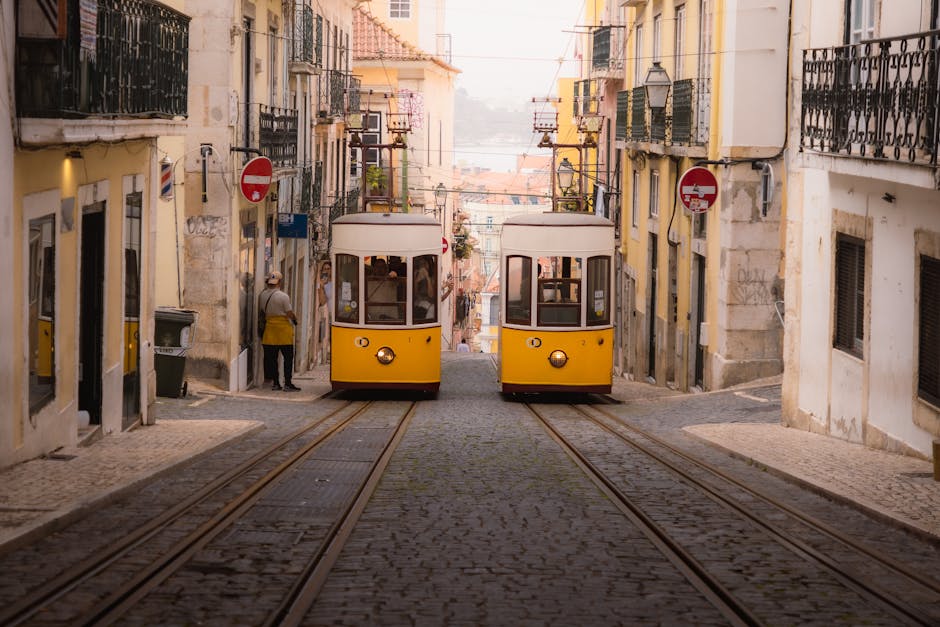
If you want museums in the morning, you’ll get the biggest payoff from staying where you can reach the main sights with minimal stairs, minimal transfers, and a short first walk. Lisbon’s hills can turn “nearby” into a workout, so these bases are chosen for early access, walkability, and straightforward transit corridors.
Below are the best neighborhoods to stay in Lisbon for museum-first mornings, ranked from easiest to more weather-and-hill-dependent.
Museum access and walkability: start here
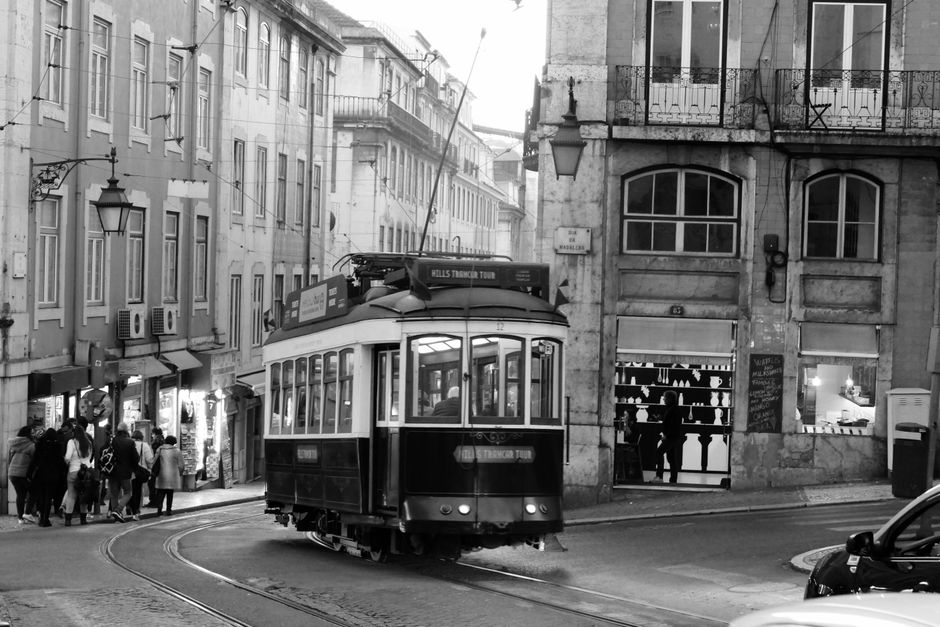
What makes it work for early starts:
- Streets are comparatively level for Lisbon, so you spend less time “getting ready” for hills.
- You can string together multiple sights within the same walking radius, which matters if you’re trying to be at museum doors soon after opening.
- You’ll also find plenty of cafés for quick pre-sightseeing coffee and breakfast before you head out.
Where you should be within the area:
- Aim closer to the central streets where trams and pedestrian crossings keep your route simple.
- If you’re sensitive to noise, pick a side street rather than the busiest avenues—Baixa can feel active from early.
Expectations on cost:
- This is often one of the pricier bases, especially in spring and summer, because demand is high for a “do everything on foot” location.
Príncipe Real and Avenida da Liberdade
If Baixa is the easiest for pure morning logistics, Príncipe Real and Avenida da Liberdade offer a slightly calmer base while still keeping museums and central streets within practical reach. It’s a strong choice when you want a more residential feel but don’t want to fight the city’s steepest climbs first thing.
Why it’s good for museum mornings:
- You can get to several central areas with one straightforward route (often tram or short taxi rides when hills become unavoidable).
- Morning cafés and parks nearby make it easier to start early without rushing.
- It’s a good balance if you want some quiet in the evening but still need convenience.
Practical notes:
- Some streets slope more than you expect—check the map elevation lines when choosing a hotel.
- If you plan to go out early every day, choose a location where your first “downhill” walk isn’t immediately followed by an uphill climb.
Expectations on cost:
- Typically mid-to-high pricing for Lisbon, with larger price jumps during peak travel months.
Old-town bases for dawn walks

How this helps your museum schedule:
- You can do viewpoints, church exteriors, and historic streets at the quiet end of the day, before crowds concentrate elsewhere.
- Once you’re ready to pivot to museums, you can use the most direct tram and taxi corridors to avoid repeated hills.
Where to stay inside the area:
- Choose a spot nearer to the main access routes so you’re not negotiating the steepest side alleys at the start of your day.
- If you rely on walking, prioritize streets that are easy to return to after a museum visit.
When this base is a miss:
- If your travel style is “out the door, minimal effort, back before lunchtime,” hills will feel like friction even in the best-located hotels.
Expectations on cost:
- Often better value than Baixa, though quality and views can push prices up in the most attractive pockets.
Bairro Alto
Bairro Alto is a strong choice when you want to be near central districts but also want a lively neighborhood vibe. For early morning sightseeing, it can be excellent—so long as you treat hills as part of the plan and choose your hotel carefully.
Why it can work well for museums:
- You’re not far from central sights, and you can reach multiple areas with short transit hops rather than long guided walks.
- Early mornings in Bairro Alto can feel quieter than you’d expect, especially on side streets.
Things to check before you commit:
- Nightlife noise: some streets stay active into the night, which can affect early starts.
- Steepness: “close to the tram” can still mean a vertical climb if your hotel is set back from the main routes.
Expectations on cost:
- Mixed pricing—good deals are possible, but the most convenient streets tend to command a premium.
Belém and Alcântara for riverfront museums
Belém and Alcântara
If your museum plan includes major riverfront institutions, Belém (and the nearby Alcântara side for museum-area convenience) is the cleanest base for that theme. Morning walks can be rewarding here because you’re dealing with open streets and waterfront promenades rather than the tightest old-town lanes.
Why it’s practical for early sightseeing:
- The area is built around clear routes—fewer “which street is the steep one?” surprises.
- Mornings along the river tend to feel calmer than central Lisbon, and that helps if you’re aiming for early, unhurried photos.
- You can cover multiple museums and historic stops with a straightforward plan, especially if you stay close to the river corridor.
Where to stay within the riverfront zone:
- For an easier morning, pick a location where your walk begins on flatter streets and the waterfront is an easy first route.
- If you want to minimize transit reliance, choose a hotel that keeps you near the most direct public-transport approach for your day.
Expectations on cost:
- Often competitive with other “good access” areas, though summer demand can push prices up.
Plan your early-morning museum routes
Aim for the first window after opening, not “as early as possible”
Lisbon museums don’t all open at the crack of dawn, so the key is to plan around the first realistic opening window and arrive with buffer for security and queueing. For your morning schedule, think of “earliest workable time” rather than chasing an ultra-early hour.
A simple approach that keeps the day efficient:
- Build each morning around one museum cluster within a walkable or one-transfer radius.
- If you’re staying in a hillier base (Alfama/Graça or parts of Bairro Alto), schedule your first museum for the easier direction so you’re not battling an uphill transfer immediately after dawn.
Use low-friction transit corridors when hills or distance get in the way
You’ll save time (and energy) by treating transit as a tool for direction rather than a way to avoid walking entirely. The best early-morning route plans usually combine:
- A short first walk from your hotel to a main tram or transport corridor.
- One transit hop to reposition, then another short walk between museums.
When to rely on your feet vs. transit:
- Walk when the route is straightforward and you’re moving along central streets or flatter promenades.
- Take transit when the route turns repeatedly uphill or when your “second museum” is in a different district.
A quick booking mindset for museums:
- If a museum offers time slots, book earlier rather than later—especially in peak months. Even when it’s “just” for the morning, availability can tighten.
- If advance tickets aren’t available, plan to arrive early enough to clear queues without feeling rushed.
What to do next
Choose your base based on your dominant morning style: maximum convenience (Baixa/Chiado or Príncipe Real/Avenida) or atmosphere-first walking (Alfama/Graça and Bairro Alto), or riverfront museums with calmer starts (Belém/Alcântara). Once you pick an area, map your first two museum visits together and confirm the opening windows—your hotel location will make a lot more sense when paired with an actual morning route.