


How to Pick a Base for Ikebukuro (and Fewer Transfers)

Target Direct Rail Links
For Ikebukuro, the main convenience comes from staying on the same rail corridors that stop at Ikebukuro Station or nearby JR stops. That’s what reduces time lost to platform changes—especially when you’re tired at night.
Prioritise Walkable Stations (Especially at Night)
Even if a station is “close on the map,” neighbourhood streets can be long to cross after dark. Aim for accommodation where you can reach your closest station on foot without navigating major crossings twice.
Match the Evening Vibe to Your Plans
Ikebukuro itself is lively, while some nearby options feel calmer and more local. If you plan to eat out every evening, staying on the rail line with reliable late service is usually less stressful than going further for a “prettier” area.
Ikebukuro and Otsuka: Fastest for Sunshine City
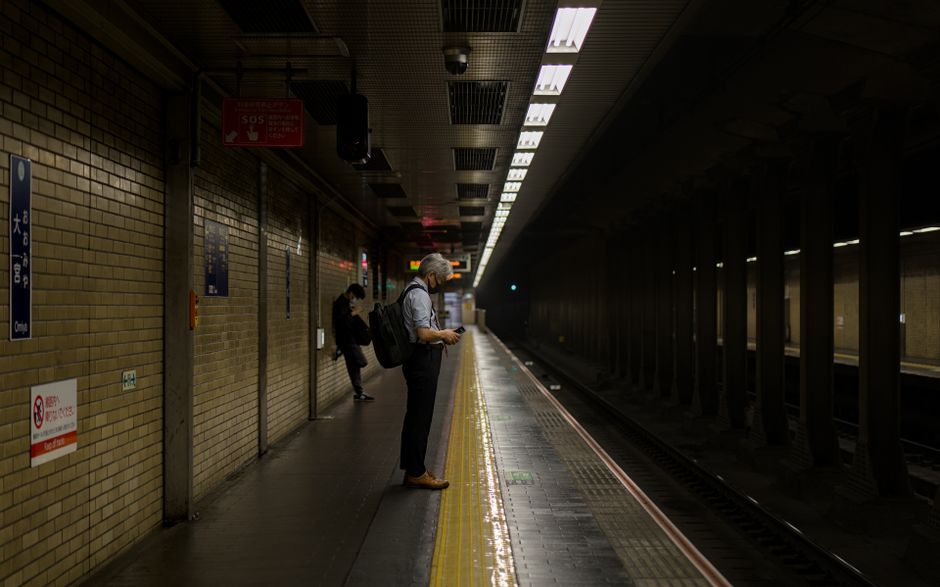
Ikebukuro (Toshima): Most Convenient for Sunshine City
Staying in Ikebukuro is the obvious choice when Sunshine City is your main anchor. You’re already in the station zone, which keeps your evenings flexible.
What you get:
- You can reach Sunshine City with a short walk or a quick hop inside the station area.
- Dining and shopping options are dense, so you won’t need to plan every meal around transit.
Watch-outs:
- Accommodation around the central station area can feel busy and sometimes priced above what you’d pay slightly farther out.
- Rooms can be compact, so it helps to focus on space needs before booking.
Otsuka: A Smoother, Slightly Quieter Base on the Same Corridor
Otsuka works well when you like the convenience of the JR network but want a calmer base than the busiest station blocks.
What you get:
- Direct rail access keeps trips to Ikebukuro straightforward.
- Evenings tend to feel less hectic than central Ikebukuro while still offering plenty of local food.
Watch-outs:
- For the most “major attraction” energy (big-brand shopping, huge crowds), you’ll still be heading back toward central Ikebukuro or other hubs.
Takadanobaba and Shinjuku: Big-Night Energy With Easy Ikebukuro Access
If your Tokyo days include multiple neighbourhoods, these bases keep your movement efficient. Both are known for nightlife and late dining, while staying connected to Ikebukuro via direct rail.
Takadanobaba: Lively Evenings and Youthful Atmosphere
Takadanobaba is a strong option if you want a fun, casual base. The area can feel energetic late into the evening, with lots of smaller restaurants and snack-style dining.
What you get:
- Direct train access makes getting to Ikebukuro simpler than from many other parts of Tokyo.
- A more “lived-in” feel at night—useful if you’re not aiming for quiet mornings only.
Watch-outs:
- Some streets are busiest on weekends; if you’re sensitive to noise, check that your hotel is set back from the main nightlife blocks.
Shinjuku: The Most Connected Base (Just Don’t Expect Quiet)
Shinjuku is excellent for direct links to many key areas, so day trips stay easy. For Ikebukuro access, the rail corridor keeps the route straightforward.
What you get:
- One of Tokyo’s best hubs for convenient cross-city movement.
- Huge choice for dinner and late entertainment—handy if your plan changes.
Watch-outs:
- The central areas can feel overwhelming during peak hours and big event seasons.
- You may pay a premium compared with smaller JR stops closer to Ikebukuro.
Akihabara and Ueno: Tech/History Energy With Direct Rail Convenience
If your Tokyo itinerary mixes gadgets, pop culture, museums, and good food, these neighbourhoods are practical—and still keep travel to Ikebukuro uncomplicated.
Akihabara: Pop-Culture and Easy Corridors to Ikebukuro
Akihabara is ideal if Sunshine City sits beside a wider plan for anime, electronics, and themed streets. With direct rail options, you won’t need to build your schedule around transfers.
What you get:
- A strong “grab dinner, browse, repeat” atmosphere.
- Easy access to other major JR areas by rail when you’re moving between hubs.
Watch-outs:
- It can be crowded at peak times, and some streets draw heavy foot traffic late in the day.
- If you want long, quiet evenings, you may need to choose lodging a bit away from the most intense blocks.
Ueno: A More Relaxed Option Near Major Rail Lines
Ueno is a good compromise if you want a lively city district but with more breathing room than the densest entertainment zones.
What you get:
- Reliable direct rail access for getting to Ikebukuro.
- A strong mix of casual dining and sightseeing days—useful if Sunshine City isn’t your only stop.
Watch-outs:
- Popular attractions around the area can make weekends busier, so booking earlier helps.
- The “centre” can still feel busy; pick lodging that keeps your walk to the station reasonable.
What to Do Next (So Your Booking Matches Your Route)
Pick the neighbourhood that matches your preferred evening style first—central convenience (Ikebukuro), nightlife (Takadanobaba/Shinjuku), or a broader sightseeing rhythm (Akihabara/Ueno). Then double-check that your hotel is near a station stop that keeps the ride to Ikebukuro simple and direct, and book early for weekends when rates rise.