

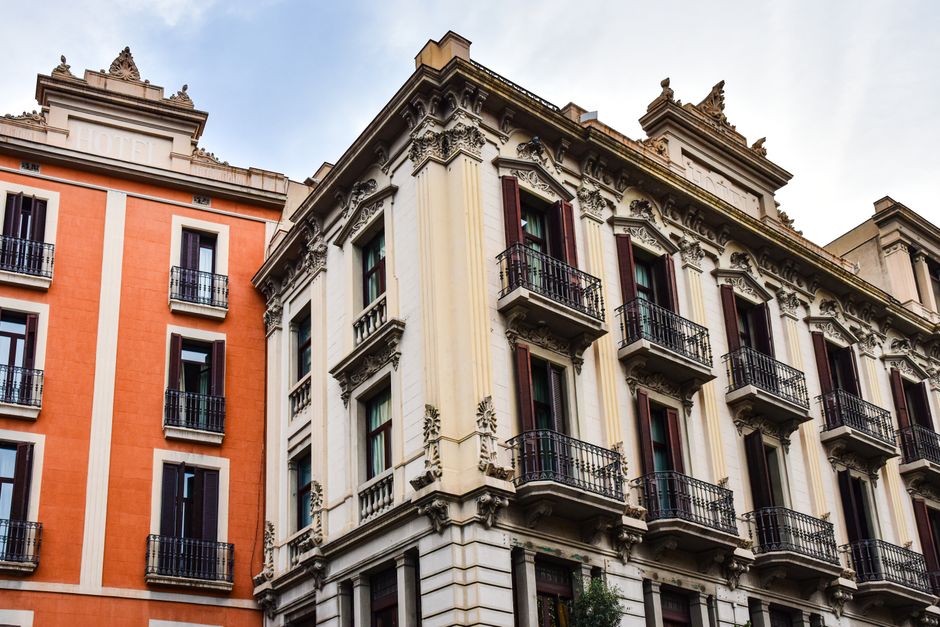
Eixample (Away From the Sagrada Rush)
If you want to be close to Sagrada Família and still sleep well, Eixample can work—provided you choose quieter side streets rather than the blocks right around the basilica.
Best for: Sagrada Família and quick access to Casa Batlló
Eixample’s grid layout makes it easy to reach major Gaudí sites by foot or metro. Expect shorter rides to the Passeig de Gràcia area (Casa Batlló and Casa Milà) and an easier morning visit to Sagrada Família.
Where it feels quieter: aim for the “middle” streets
You’ll usually find calmer nights when you stay:
- one or two blocks back from the biggest main roads
- near metro stops that serve the area but aren’t surrounded by tour buses
- around residential pockets rather than the direct approach streets for the basilica
Watch-outs: crowds and nightlife spillover
Eixample can be busy in summer and during school holidays. If you’re booking for July–August or the lead-up to Christmas, expect more noise from restaurants, late-night drink spots, and groups on organised tours.
Gràcia (The Best Bet for Park Güell and Local Evenings)
Gràcia is a strong choice if your “must see” list includes Park Güell and you’d rather return to a neighbourhood with a lived-in feel.
Best for: Park Güell without staying in the busiest tourist corridors
Park Güell is in the Gràcia district, so you can build a day around it without long transfers. Many travellers also find Gràcia feels more relaxed after sightseeing, especially evenings around local squares.
Where to look: higher streets near the funicular and viewpoint routes
You’ll often be happiest in the parts of Gràcia that are a short walk from the main access points to the park. Look for:
- streets where pedestrians slow down after the tour groups move on
- small plazas and side streets that don’t sit directly on the loudest bar strips
- accommodation options that mention lift access if you’re not planning on climbing steep hills
Watch-outs: hillside noise and narrow-lane foot traffic
Gràcia’s terrain means some streets are steep, and the lanes can get busy at peak times. If you’re sensitive to sound, prioritise buildings set back from the main approaches rather than right on the busiest corners.
Sarrià-Sant Gervasi (Green, Polished, and Easy by Metro)
Sarrià-Sant Gervasi is often quieter than the central tourist zones, while still keeping Gaudí within an easy ride.
Best for: a calm base with straightforward links to Eixample
This area is well-connected by metro and bus, so reaching Sagrada Família and the Passeig de Gràcia sights is typically a quick trip. It’s also a good match if you want to start the day early and return to a more residential atmosphere.
Where it works best: residential pockets and park-adjacent streets
You’ll find the “quieter-feeling” accommodation when you stay closer to the greener parts of the district rather than the busiest retail strips. A practical approach is to choose:
- locations a few streets away from major junctions
- apartments/hotels that list soundproofing or quieter street access
- options that are walkable to a metro stop, so you avoid late-night transfers
Watch-outs: higher pricing during peak weeks
Sarrià-Sant Gervasi can be more expensive than areas closer to the main sights. For value, book earlier for spring and early autumn, and consider shoulder-season dates if you can.
El Putxet i Farró (A Quiet Bridge Between Central Gaudí and Residential Calm)
El Putxet i Farró is less famous than Gràcia or Eixample, which is exactly why it can feel calmer—while still being well placed for sightseeing.
Best for: calmer nights and manageable travel to Sagrada and Park Güell
You’re not “far away” here. The district sits in a practical position for reaching both the Sagrada Família side of town and the Gaudí park area without having to base yourself in the densest tourist streets.
Where to look: near transport, not on the busiest corridors
A useful rule is to choose accommodation that’s close enough to get you to a metro stop comfortably, but not right on the main thoroughfares. Often, that means:
- side streets with fewer late-night venues
- buildings that front quieter roads
- walkable routes that don’t require crossing major junctions at night
Watch-outs: limited late-night “buzz”
If you want a nightlife scene outside your door, El Putxet i Farró may feel sleepy. The trade-off is usually better sleep quality.
Sant Antoni (and the Quieter Edges Toward Poble-sec)
Sant Antoni is a great compromise: local energy by day and evening, but you can still avoid the busiest tourist pockets if you pick the right streets.
Best for: getting to Gaudí by metro without paying “front-row” prices
From Sant Antoni, you can reach the Eixample Gaudí sites efficiently, and you can get to the Park Güell direction without spending your trip wrestling with long walks. It often works well for travellers who want a neighbourhood vibe rather than “tourist centre” convenience.
Where it feels calmer: choose blocks just off the main strips
To keep it quiet, focus on streets that are:
- one or two blocks away from the loudest restaurant and bar corridors
- set back from the main shopping roads
- close to metro access so you can keep nights simple
Watch-outs: market and restaurant hours
Sant Antoni can be lively around meal times and market activity. If you’re planning light-sleep, check the building orientation and avoid rooms that face the busiest pedestrian routes.
Next Steps
Before you book, write down which Gaudí sights you’ll do first—Sagrada Família, Passeig de Gràcia, or Park Güell—and pick a neighbourhood that minimises evening travel back to your accommodation. Then narrow your shortlist by noise risk: choose side streets, check reviews that mention street noise, and book earlier for summer and major holiday weeks.