


If you want Barcelona beach time but still prefer evenings that feel restorative, you’ll do best by choosing your base around two things: how quickly you can reach the sand on foot, and how easily you can avoid the neighbourhood’s busiest night-time streets.
The city’s beach area stretches along the coast, but not every nearby district feels the same after dark. Below are neighbourhoods that tend to balance “get to the beach easily” with “sleep at night,” based on walkability, typical noise patterns, and how dependable the connection to central Barcelona feels.
How to Choose a Calm Base With Easy Beach Access
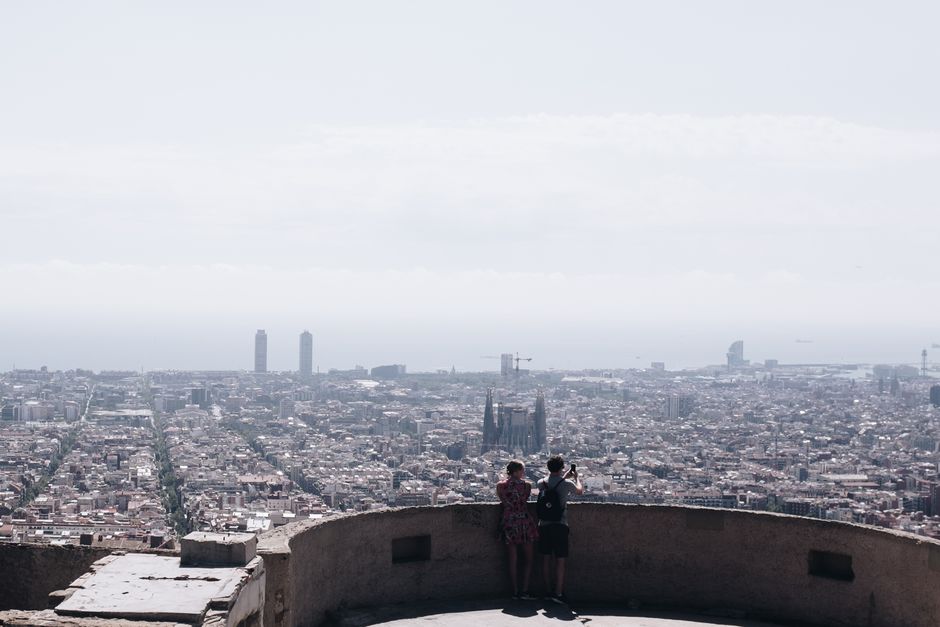
Walkability that starts the day relaxed
Start by checking whether “beach walk” is realistic for your plans. In Barcelona, being “near the coast” can mean anything from a 10–20 minute stroll to a longer, stop-and-go route depending on where your streets sit relative to the promenade.
A good rule: if you want calm evenings, you usually also want a base where you’re not forced to commute back and forth late. Neighbourhoods closer to the seafront make it easier to go early, stay awhile, and head back before the busiest hours.
Noise tolerance: where evenings get loud
In Barcelona, the loudest areas aren’t just “near beaches” — they’re near specific nightlife corridors, late food streets, and major transport nodes where crowds funnel.
Even within a single neighbourhood, noise can change block by block. You’ll generally get a calmer feel when you choose streets that are slightly inland from the seafront promenade and away from the most crowded bar strips.
Transit reliability for back-from-the-beach plans
If you’re not relying entirely on walking, you’ll want transit that makes evenings straightforward. Look for neighbourhoods with frequent metro or tram options so you can get back without waiting around.
Even a short ride matters if you’re tired after a beach day. It also helps you avoid the “walk back when it’s busier” problem that turns a calm plan into a noisy one.
Best Neighbourhoods for Beach Access and Calm Evenings
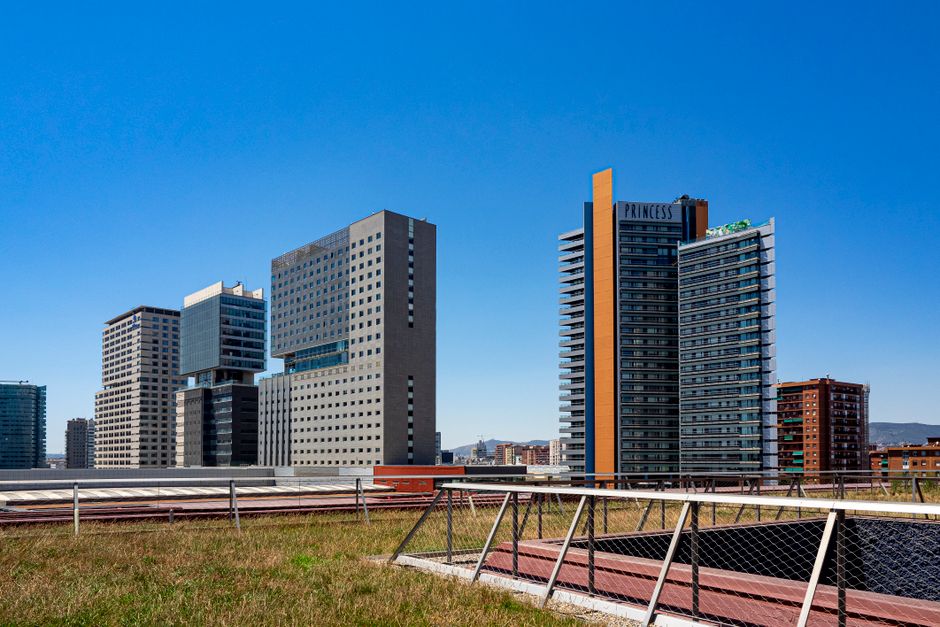
Poblenou
Poblenou is one of the most reliable picks when you want a beach-friendly base that doesn’t feel like a constant festival. It’s well set up for daily movement (cafés, supermarkets, and plenty of places to eat without the pressure to stay out late).
For beach access, you’re usually looking at a practical stroll or a short connection, especially compared with staying in the historic centre. Nights tend to feel more local than tourist-heavy, though weekends can still bring a lively crowd to the wider coast area.
Choose Poblenou if you want:
- Easy beach access without having to stay directly on the tourist promenade
- A calmer rhythm for evenings after dinner
- A neighbourhood that feels livable, not just convenient
Diagonal Mar and the Forum area
Diagonal Mar is a “modern Barcelona” option: flatter streets, big-open areas, and a general sense of order that can translate into quieter sleep when you’re not right on the busiest edges.
Beach access here is often straightforward on foot, and the wider area is designed for movement—useful when you want to get to the sand, then return without navigating the densest tourist lanes.
This area can also feel more expensive than inland districts, particularly in peak summer and during major events. It’s still a strong match for calm evenings if you select a room a little away from the immediate seafront buzz.
Vila Olímpica and Port Olímpic
Vila Olímpica sits close to the coast and can be a great compromise: beach proximity with an urban layout that keeps evening plans simple. The main draw is that you can reach the waterfront quickly and then return to a neighbourhood that’s more “walkable and everyday” than nightlife-focused.
That said, this is also a popular waterfront zone. Noise tends to concentrate near the busiest harbour areas and wherever groups naturally gather. If your priority is quiet evenings, aim for streets that are not directly adjacent to the most crowded promenade segments.
Barceloneta (Choose quieter side streets)
Barceloneta is the obvious beach-facing choice, but it’s also one of the most variable. You can end up with a room that feels lively all evening, especially closer to the densest promenade stretch.
If you’re set on Barceloneta for the convenience, treat it as a “precision” stay: choose a quieter side street rather than the most central, most direct lines to the seafront. The closer you are to the busiest foot traffic, the harder it is to guarantee calm after dark.
Barceloneta works best when:
- You want the shortest possible walk to the beach
- You’re comfortable doing a bit of street-level vetting before booking
- You plan beach days earlier rather than relying on late-night returns
Eixample near Passeig de Gràcia and Passeig de Sant Joan
Eixample is not a “walk out to the beach in 10 minutes” neighbourhood, but it’s often excellent for calm evenings paired with reliable transit. The trade-off is that you’ll usually reach the coast by a short ride rather than a long walk.
The upside: Eixample streets can feel quieter than the immediate beach strip, and the area is known for good accommodation options—often with sturdier building layouts than you’ll find closer to the waterfront.
If you want beach access without living in the most tourist-dense zones, Eixample can be a smart base, especially when you’re travelling in shoulder seasons and prefer evenings that feel peaceful.
Where to Stay Within Each Neighbourhood
Aim for streets a short walk back from the promenade
Wherever you choose to stay, your best odds of a calm evening usually come from moving a little away from the sea-front pull. The difference can be dramatic: the most direct promenade access attracts foot traffic that ramps up later.
A practical approach is to look for streets that still let you reach the beach quickly, but don’t require you to step out onto the main crowd corridors every evening.
Pick rooms away from tram and major junctions
Barcelona’s transport lines and major intersections can affect sound levels—especially if your room faces the street where trams and dense pedestrian flows overlap.
When you’re comparing rooms, prioritise quieter orientations and consider whether your window opening would face a high-traffic route. Even “near transit” can mean “noisy at peak hours” if the street is a bottleneck.
Choose building layouts that reduce late footfall
Hotels and apartments vary a lot in how well they handle foot traffic. Look for options where bedrooms aren’t right by entry corridors, and where the building style suggests less street-level disruption.
This matters most in beach-adjacent areas, where groups often move around late even when the neighbourhood itself isn’t a nightlife district.
When These Areas Feel Most Relaxed
Late spring and early autumn for softer crowds
If your goal is calm evenings, timing makes a bigger difference than most travellers expect. Late spring and early autumn usually bring better “balance” days: beach weather is often pleasant, but the city can be less dominated by peak-summer crowds.
In these windows, even the coastal areas tend to feel more breathable, so you get the beach access benefits without the constant high density.
Avoid peak summer weekends if you want quiet
Even neighbourhoods known for calmer evenings can feel busier on summer weekends. If you want your evenings to stay restful, avoid the busiest periods where families and large groups overlap with the coast.
You’ll often notice it as a later “settling down” time—more people out walking, more gatherings near the waterfront, and more sound carrying in the streets closest to the sea.
Getting to the Beach Without Late-Hour Hassles
Metro and tram patterns that keep you flexible
You don’t need a complicated plan—just a dependable one. In Barcelona, your best strategy is to choose accommodation so that reaching the coast is either:
- an easy walk for the neighbourhood you pick, or
- a short, predictable public-transport hop when walking becomes inconvenient
This flexibility is what helps you keep evenings calm. It prevents the “we’ll just walk back” mindset when crowds build.
Rideshare and buses: use them as a backup, not a plan
On busy evenings, pickup zones can add stress and waiting time. It’s fine to keep rideshare or buses as a fallback, but if quiet is the goal, you’ll get better outcomes when your main routes are public transit or walking.
If you plan to be out at sunset and want a calm return, aim for a neighbourhood where transport is nearby enough that you can leave whenever it suits you—rather than when the crowds finally thin out.
Next Steps Before You Book
Narrow your shortlist to 2–3 neighbourhoods based on how you want to reach the beach (walk versus short ride), then compare streets block by block—especially if you’re considering Barceloneta or any place near a major promenade. Once you pick a final area, focus on room orientation and distance from the busiest pedestrian corridors so evenings stay genuinely quiet.