

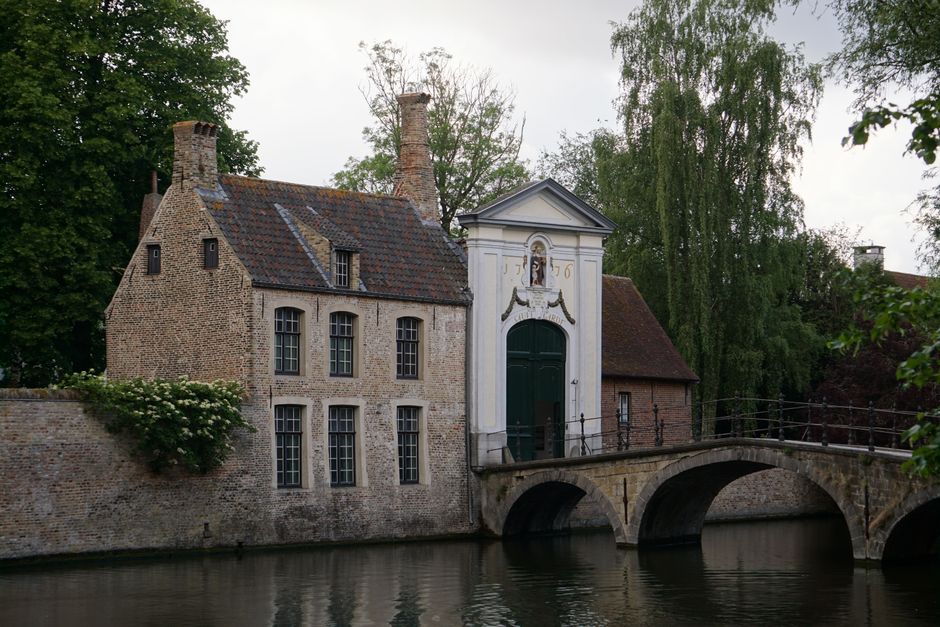
How to Choose a Car-Free Base in Bruges

Walk the canal line, not the back streets
To keep your days smooth, aim for a stay where you can reach:
- the main canal quays (Dijver and the water around the centre)
- the canal-side bridges that connect neighbourhoods quickly
- the central squares (so you can “re-route” without long detours)
If you’re visiting in winter or after rain, stick to routes that stay close to the quays. Cobblestones away from the water often get slick and can feel steeper.
Aim for transit drop-offs you can reach on foot
When you arrive by train or coach, you’ll want a base that’s walkable from the main station area or central bus stop zones. Even if the “best” location is only 1–2 km away, that can still be a 20–30 minute walk in the wrong streets.
Plan your bridge hops
Bruges’ canal bridges are practical shortcuts. Staying on the “right” side of the water can cut your walking time more than you’d expect—especially when you’re moving between the Market/Burg area and the Minnewater side.
Best Areas to Stay in Bruges for Canal-Side, Car-Free Walking

1) Market Square (Grote Markt) & Burg Square (Duomo quarter)
If you want your evening strolls to start immediately from your front door, this is the most convenient base.
Why it works for walking
- You’re close to the densest cluster of bridges and canal connections.
- You can reach most sights in short, flat-to-moderate walks.
What to watch for
- Streets right off the squares can be busy (more foot traffic, more noise at night).
- For wet weather, double-check your last 5–10 minutes from your hotel to the squares—some side lanes feel steeper than they look.
2) The Dijver Canal Belt (south of the centre’s core)
This is where Bruges feels most “water-first”. You’ll often find hotels in quieter streets while still being close to the most photographed canal views.
Why it works for walking
- Canal quays give you natural, pedestrian-friendly routes.
- Bridges here help you cross without committing to uphill shortcuts.
What to watch for
- Some streets near the quays have uneven cobbles; in winter, shoes with grip matter.
- If you’re sensitive to sound, prioritise a hotel street that’s one turn removed from the busiest quay-side stretches.
3) The Historic Centre Ring (between the main squares and the canal connections)
Think of this as the “middle zone”: close enough to walk everywhere, but often with calmer streets a few minutes away from the busiest corners.
Why it works for walking
- You can access multiple canal routes without backtracking.
- It’s usually easier to find lodging that isn’t directly on the biggest tourist thoroughfares.
What to watch for
- The closer you stay to the highest points above the centre, the more likely you’ll face short cobbled ramps.
- In rain, these ramps can feel slower than the flatter-looking streets near the water.
4) Minnewater & the Lake-to-Canal approach
If you want a calmer base with still-good walking access to the canal network, aim for the Minnewater side.
Why it works for walking
- You get a more relaxed atmosphere for mornings and late afternoons.
- Canal paths and nearby bridges make it easy to connect back toward the centre.
What to watch for
- Walk times to the absolute core can be slightly longer than from the Market/Burg area.
- When it’s slippery, avoid cutting across higher back lanes—stick to the routes that guide you by the canals.
5) Near Bruges Station (walkable but not “in the middle”)
This is a smart option if you’re prioritising convenience on arrival and want to avoid the heaviest crowds right at the historic core.
Why it works for walking
- It’s practical for rail arrivals, and your first day is easier with luggage.
- You can still reach canal areas by foot, with a steady route that doesn’t require constant bridge-crossing.
What to watch for
- You may face a bit more walking than from the canal belt.
- Some routes from the station toward the centre can feel steeper if you choose shortcuts—plan to follow the main pedestrian corridors rather than cutting through small side streets.
Transit-Friendly Entry Points and What the Walk Usually Feels Like
Bruges is compact, but the “last mile” matters. Use these entry-point ideas to choose a base that matches how you like to travel.
From Bruges Station: pick a hotel that stays on predictable routes
If you’re arriving by train, the station is the most common car-free entry point. From there, many travellers can walk to the historic centre, but the experience depends heavily on which streets you choose.
How to make it easier with luggage
- Choose accommodation where you can reach the canal side without multiple steep cut-throughs.
- If rain is forecast, consider allowing extra time—cobbles slow down walking more than you expect.
From central bus stop zones: aim for the “square-to-canal” path
Coach drops and central bus stop areas usually place you close to the historic core. From there, the easiest strategy is to find a route that quickly gets you to:
- the canal quays, or
- the Market/Burg squares and then follow canal-side streets outward.
This reduces the number of times you have to “re-orient” and climb away from the water.
On arrival: save time by doing one orientation loop
Before you commit to sightseeing, do a quick orientation loop once (even 15 minutes). Identify your nearest:
- canal bridge crossing
- square reference point
- main pedestrian street
It’s the fastest way to avoid getting stuck in loops when you’re tired.
Avoid Steep, Slippery Streets (Especially in Winter)
Bruges is beautiful at any time of year, but cobbles and short ramps can be a challenge when surfaces are wet.
Prefer canal quays and bridge-connected streets
The flattest, most predictable walks are usually the ones that:
- track the canal waterline, and
- cross between neighbourhoods using bridges.
If you feel yourself drifting into small streets that look slightly “higher” on the map, it’s often because you’re leaving the canal network.
Skip uphill shortcuts during rain or frost
In winter conditions, the biggest walking slowdown isn’t distance—it’s slipping and careful footing.
A simple rule helps:
- If a shortcut requires a noticeable climb away from the waterline, treat it as a “plan B”.
- During wet weather, choose a longer-looking route that stays closer to the canals.
Choose footing-friendly routes at night
Nighttime makes it harder to judge slick patches. When you return in the evening:
- avoid narrow side lanes that don’t have consistent lighting
- stick to busier canal-side streets where you can walk with more predictable footing
What to Look for in Your Hotel (So Walking Stays Easy)
Even within the best areas, a few details can make a bigger difference than you’d think.
Keep the last 5–10 minutes in mind
Before booking, check how your likely route goes from the canal-side streets to your exact doorstep. A hotel in a great area can still have a noticeably steep approach on wet cobbles.
If you can, prioritise hotels where you can reach the main pedestrian route with a simple straight walk.
Look for practical building features
For car-free travel, the best stays balance charm with day-to-day convenience:
- an easy elevator or step-free access where possible
- staff who can help with luggage handling if you’re arriving from a station walk
- quieter street placement while remaining within a short walk of the canal
Avoid “too perfect” frontage if you want calm mornings
Hotels directly on the busiest central streets can be lively—great for energy, less great for sleep. If you want quiet mornings for cafés and canal walks, choose lodging a short distance away from the most crowded front-facing corners.
What to Do Next
Pick one of the five neighbourhoods above based on your arrival point and how much walking comfort you want on day one. Then shortlist a few properties and double-check that your route to the canal-side streets doesn’t require a steep, cobbled climb—especially if you’re travelling in winter.