

Day 1: City Park, Basilica, and the Jewish Quarter
Start your first day in the Pest side with big, easy-to-navigate landmarks. This route keeps walking between clusters reasonable, and it sets you up for an afternoon thermal soak when you’re ready to slow down.
Morning in City Park
Head to the city’s formal “arrival” area first, then move into the green expanse where most of your sightseeing will feel open and unhurried.
- Heroes' Square
- City Park (Városliget)
- Vajdahunyad Castle
If it’s sunny, City Park is ideal for a relaxed start. If it’s rainy or chilly, stick to the main paths and plan indoor time around your bath slot.
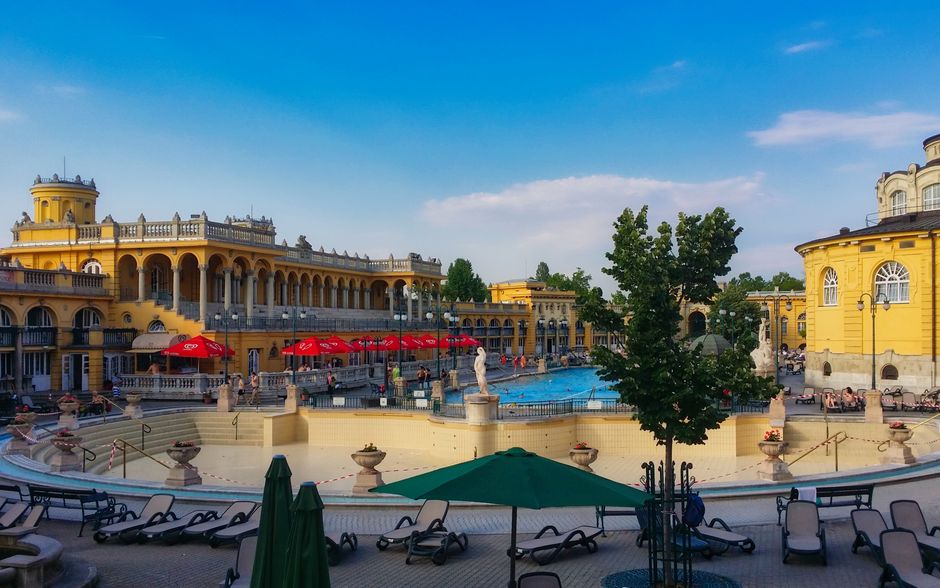
Afternoon Széchenyi Thermal Bath
Széchenyi is the most straightforward “first thermal bath” choice because it’s designed for visitors and offers both indoor and outdoor options. Arrive with enough buffer to change slowly and find your bearings—queues can build when a lot of people show up at once.
- Széchenyi Thermal Bath
Practical order of operations:
- Change first, then decide where to start (outdoor pools for atmosphere; indoor pools when the weather turns).
- If you want photo-friendly moments, do a quick roam early, before you’re fully relaxed.
- Plan at least a couple of cycles of soaking and resting. Thermal baths work better as an experience than as a quick pit stop.
Evening in the Jewish Quarter
After the bath, you’ll be ready for the most atmospheric streets in Budapest—especially at dusk. The Jewish Quarter (District VII) is also where you’ll find plenty of places to eat without needing taxis.
- Jewish Quarter (District VII, around Dob Street)
Walk the area rather than trying to “optimize” every minute. This part of the city rewards wandering, and you can easily tailor the evening to your pace: calmer dinner tables if you want an early night, or busier streets if you’re staying out.
Day 2: Castle Views, the Danube, and Rudas Thermal Bath
Day 2 is about the drama of Buda: river views, hilltop viewpoints, and a different thermal atmosphere than you had on Day 1. Keep the order you’re given here so you don’t fight the steepest bits too early.
Cross the Danube into Buda
Start on the Pest side, then cross into Buda. That “big view” moment happens once you get moving toward the Castle District.
- Széchenyi Chain Bridge
- Buda Castle District
- Fisherman’s Bastion
If you’re travelling in warmer months, expect more crowds at viewpoint hotspots. Go steadily, take short pauses, and don’t feel pressured to rush—these angles are best enjoyed slowly.
Late afternoon viewpoints from Gellért Hill
Move from the Castle District area toward Gellért Hill for wide, city-spanning views. This is also a good segment to catch golden light before dinner.
- Gellért Hill and the Citadel viewpoints
You’ll get the best results when you treat it as a “wander up, then look back” kind of stop. If it’s windy, keep your phone/camera secure and give yourself a little extra time for comfort.
Rudas Thermal Bath for a different vibe
Rudas feels more atmospheric and compact compared with Széchenyi, and it’s a great second bath option if you want something that feels distinctly Budapest. It’s especially satisfying after a day of hills and walking.
- Rudas Thermal Bath
To make the evening smoother:
- Aim to enter before you’re exhausted; thermal baths are easier to enjoy when you can still relax into the routine.
- If you’re wearing swimwear under your everyday clothes, keep your changing setup simple so you’re not scrambling around lockers.
Thermal Baths Planning: Tickets, timing, and what to bring
Thermal baths are a big part of Budapest’s appeal, but they’re also where poor planning can waste time. With two days, you’ll want a simple strategy: choose your baths based on experience, book entry where possible, and time your visit so it fits the day’s walking.
Choose baths based on the experience you want
Think of each bath as a different “mood”:
- Széchenyi works well for first-timers because it’s broad, visitor-friendly, and offers multiple pool styles.
- Rudas is a strong follow-up because it feels more characterful and less “theme-park” than the grandest baths.
If you’re tempted to add a third bath, you’ll usually end up shorter on sleep or walking the next day. Two baths across two days is a satisfying rhythm.
Book ahead, especially in peak season
Budapest is busiest in summer, around holidays, and on long weekends. In those periods, baths can sell out for certain time slots or reach capacity quickly.
A good rule: book your bath entry as soon as you lock your travel dates, and treat the arrival time on your booking as a real constraint.
What to bring (and what to expect)
Most baths provide facilities for changing and locker storage, but what you bring changes your comfort level:
- Swimsuit (non-negotiable)
- Flip-flops or pool shoes for wet walkways
- A small bag that keeps wet items separate
- Basic toiletries if you prefer your own
If you’re travelling in shoulder season or winter, pack your bath-day strategy: warm clothes for after your soak and something dry to throw on quickly so you don’t spend the walk back feeling cold.
Pace yourself and plan short breaks
Thermal baths are not like a “checklist attraction.” You’ll enjoy them more if you:
- Start with a calmer pool, then move up to hotter water if you want
- Take breaks between soaks
- Avoid staying so long that you feel dehydrated or overheated
Budapest’s thermal waters are part of the fun because they reset you—use that reset to enjoy the evening streets afterward.
Where to Eat Between Stops: Markets, cafés, and pastries
You don’t need to spend hours searching for food if you anchor meals to specific clusters. For this itinerary, you’ll get the smoothest day when you eat near your main sights (City Park area, Castle District/Buda sides, then the Jewish Quarter).
Quick meal ideas that match the route
Use these stops as flexible “anchors” when you need something reliable.
- Great Market Hall (Nagyvásárcsarnok)
- Vörösmarty Square pastry stops
- New York Café for a sit-down break
Market time is great for sampling Hungarian staples without committing to one heavy meal. Pastry stops are perfect for a mid-afternoon break when you’re walking between viewpoints. A sit-down café is a helpful reset on a day that includes thermal baths.
Keep costs reasonable by balancing “splurges”
Budapest can feel affordable day-to-day, but tourist-heavy corners can become overpriced. A simple tactic is to keep one “nice” meal (café or sit-down restaurant) and let the other meals be practical: markets, casual counters, and local bakery stops.
If you’re watching your budget, treat the evening in the Jewish Quarter as your flexible choice. You’ll have enough options nearby to compare menus quickly and choose what feels best.
Next Steps: Lock Your Bookings Before You Go
Pick your two bath slots first, then build the rest of the day around the time you’ve reserved. Once the bath times are set, confirm how you’ll move between Pest and Buda each day so you’re not rushing uphill or backtracking after dark.
If you’re travelling in peak season, book as early as you can and keep a little buffer for queues—especially around the most popular viewpoints and the busiest bath time windows.