

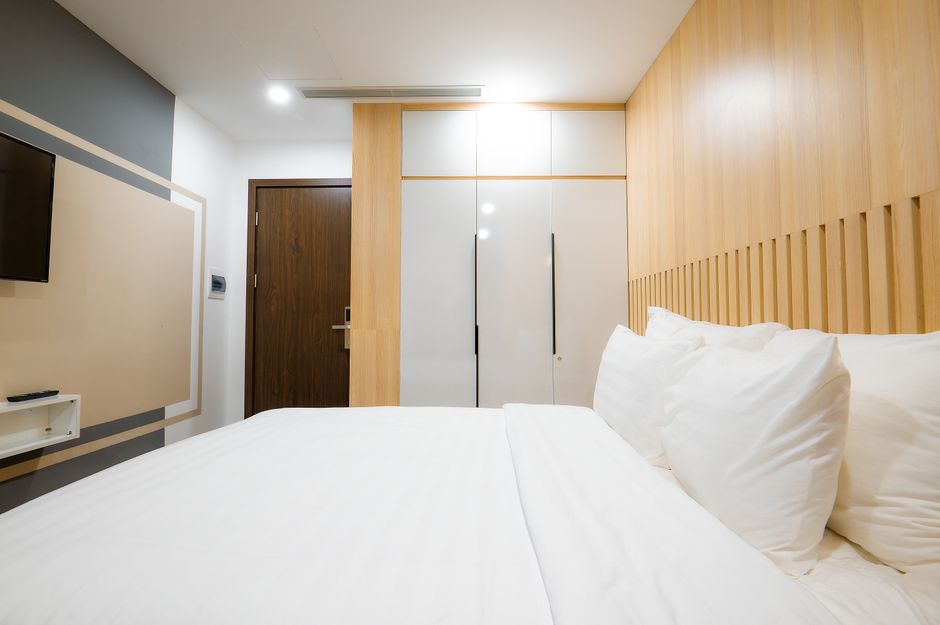
CitizenM New York Times Square sits in Midtown West, right in the orbit of Times Square and the theatre district. The area is lively all day and can feel overwhelming at night: big crowds, loud signage, and constant foot traffic. This hotel concept is aimed at travellers who want a modern base, an efficient room, and quick access to the rest of Manhattan—more “sleep well and move on” than “hang out in your room for hours.”
Times Square Location: Handy, Busy, and Best If You Like the Action

What the neighbourhood feels like
- Midtown West and Times Square: bright, crowded, and energetic—especially around show times and late evenings.
- Night atmosphere: even when streets quiet slightly, the area around Times Square can stay busy.
Who this hotel suits
- Short city breaks: you’ll get the most from the location if you’re out most of the day.
- Business travellers: the compact room works when you’re mostly sleeping and getting ready.
- Light sleepers who still want central access: the hotel’s soundproofing is the key selling point here (more on that below).
Sleep Quality and Soundproofing: What to Expect in a Noisy Area
How effective the soundproofing tends to be
Soundproofing isn’t magic—what it can do is take the edge off the constant background noise. In practice, you should expect:
- Street noise reduction: helpful if your room faces busier streets or if you’re sensitive to traffic.
- Better “shut out” for the early evening build-up: the area ramps up around dinner and show start times.
Because room layouts and placement vary, treat soundproofing as “improved control,” not “silent by default.” When booking, look for options like higher floors and rooms that don’t back directly onto the busiest street-facing corridors.
Night comfort checklist for light sleepers
If you want the best odds of a quiet night, consider:
- Request a quieter orientation if the booking options allow it.
- Bring earplugs if you’re very sensitive—Times Square is a constant soundtrack even with good insulation.
- Plan for staggered returns: if you’re coming back after late shows, the lobby bustle may feel loud before your door.
Small-Room Usability: Designed for Efficiency, Not Sprawl
CitizenM rooms are intentionally compact. That’s not a downside if your expectations match the concept: a place to sleep, shower, and work briefly.
Layout: where space actually goes
The value is in how the room is organised, not the square footage. Typically, you’ll find:
- A clear circulation path so you’re not constantly stepping around furniture.
- A dedicated desk/work area that suits laptop time and planning.
- Storage that’s usually practical rather than expansive—think compartments and hanging space, not a full suitcase room.
Living out of the room (without getting frustrated)
A compact room works best if you travel light and keep a routine. For smoother stays:
- Unpack minimally: use surface space only for essentials.
- Keep one “daily bag zone” near the desk so loose items don’t spread across the room.
- If you’re travelling with carry-ons: confirm whether the room design comfortably fits two bags side-by-side.
Luggage and movement in real life
Times Square crowds outside are one thing; inside a small room, you’ll feel friction if you’re constantly opening drawers and manoeuvring bags. If you’re bringing multiple large items, check room photos and the bed’s distance from other furniture during booking.
Subway Access: The Closest Options and How They Change by Time of Day
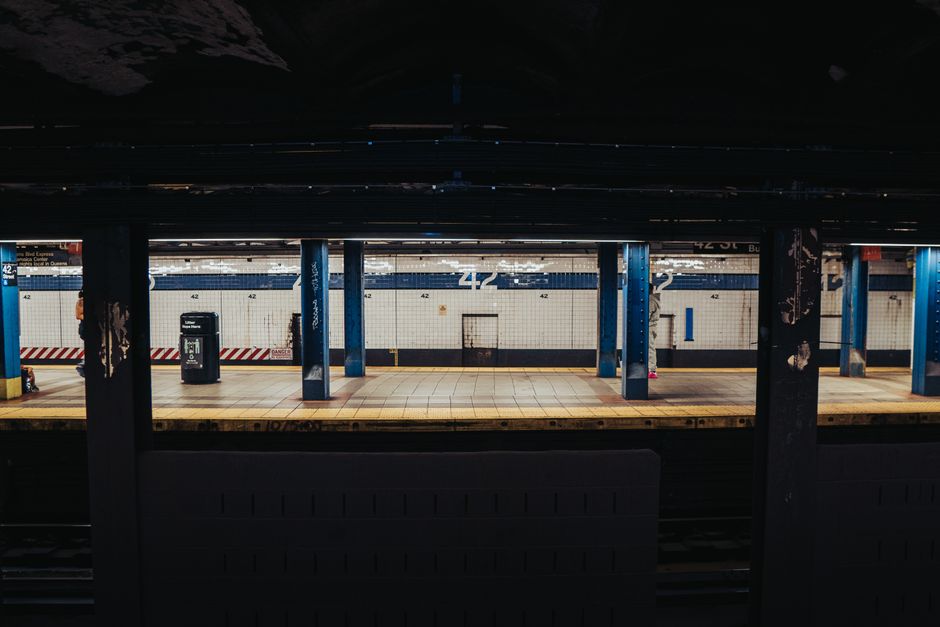
The hotel’s Midtown West setting is great for public transport, because you’re within walkable range of several stations. For most trips, the key reference point is 42 St–Times Square, which is the main hub for Midtown subway connections.
The station that’s usually your best bet: 42 St–Times Square
This stop is served by multiple lines, so it’s typically the most convenient option no matter where you’re headed. The served lines include 1, 2, 3, 7, N, Q, R, and W.
For walking time, expect a short walk in the single-digit minutes range, depending on which exit you use and where you exit your hotel route.
Daytime vs late night: what to plan for
Subway service is never one-size-fits-all across the day. Even when stations are open and trains are running, which lines feel “closest” for your specific destination can change based on schedule adjustments and the direction you’re travelling.
A practical way to think about it:
- Midday and early evening: you’ll usually have more straightforward choices because more routes are operating regularly.
- Late night / post-midnight: you may find that fewer lines are practical for your destination, even if the station still looks “well connected.” In that window, plan around real-time service information for your exact trip.
Walking and crowd reality around show times
Around show start and end times, the walk to the 42 St–Times Square area can feel longer than the map suggests due to crowds. If you’re heading out, build in a bit of buffer—especially if you’re trying to catch a specific train.
What’s Nearby: A Central Base for Sights, Food, and Evening Plans
You’re booking a location, and Times Square delivers plenty of options—sometimes touristy, often convenient, and always busy.
Walkable highlights
- Times Square
- Broadway theatre district
- Bryant Park
- Rockefeller Center area
- Hudson Yards
How to avoid the most common tourist trap feeling
This is a high-demand zone. You’ll have plenty of choices, but it helps to be selective:
- If you want a calmer meal: walk a few blocks away from the densest crossroads.
- For tickets: consider booking show times with your schedule rather than defaulting to whatever looks easiest in the moment.
Final Thoughts: Book for Sleep, Then Plan Your Routes
If soundproofing is a priority, CitizenM New York Times Square is a strong pick for the area—just don’t treat it as “quiet countryside.” When booking, focus on room placement options (higher floors and quieter orientations if offered) and plan your subway route around the hour you’ll actually travel, not just the station name.
Next, check the room options available for your travel dates and review which subway station you’ll use most for your destinations. Then build a simple evening plan around show times and a realistic walk back through the Times Square crowd.