

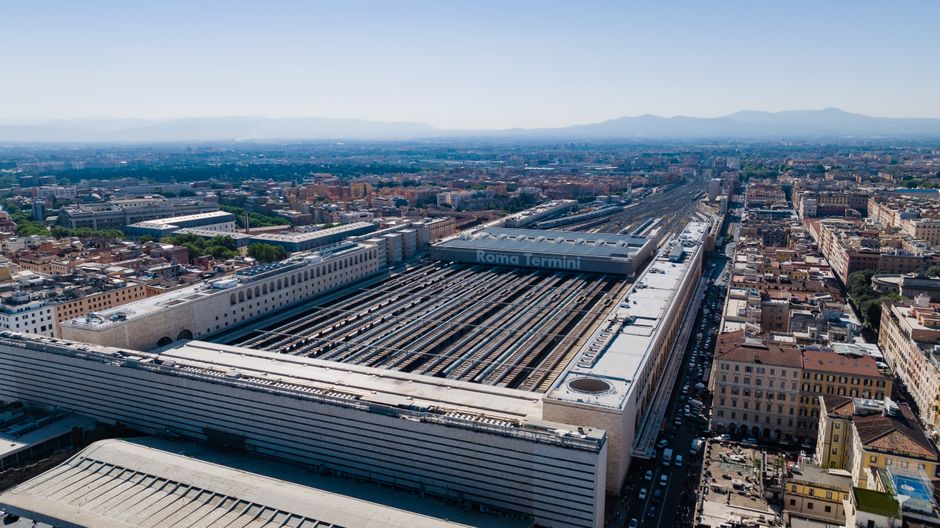
CitizenM Rome Termini: the location and who it suits

Esquilino and Termini basics
You’re choosing the Termini area when you book citizenM Rome Termini. That’s convenient, but it also means you’ll be living next to one of the busiest transport hubs in the city—lots of foot traffic, taxis, buses, and rolling street noise throughout the day and evening.
In daily terms, you’ll find this neighbourhood works best for travellers who want fast connections rather than a quiet, residential feel. Expect the streets around the station to be active, especially during peak arrival and departure times.
A design-led mid-range stay
citizenM is known for smart, modern hotel design and efficient spaces. This is typically a good fit for solo travellers, couples, and short-stay city breakers who want a clean base, a streamlined check-in experience, and walkable access to the metro network.
It’s less ideal if you want large, traditional-style rooms or a calm retreat atmosphere right outside your door. If you’re sensitive to noise or you’re travelling with bulky luggage, the details of your room location inside the building matter more here than in quieter areas.
Rooms and layout: compact comfort for city breaks

Sleeping, storage, and work space
Rooms at citizenM Rome Termini are generally designed to feel complete despite being compact. You can usually count on a comfortable sleeping area, a practical layout for getting ready, and enough surfaces to handle the basics—charging devices, storing small items, and doing quick plan-checking before heading out.
Rather than spreading out over lots of furniture, the layout typically relies on thoughtful use of space. That works well for:
- Short stays where you’re out most of the day
- Travellers who pack light and prefer simplicity
When booking, it’s worth double-checking the room configuration (for example, the exact bed setup and whether the room includes a desk versus a more minimal work area). If you’re travelling with a lot of luggage, also check whether there’s space to keep bags open without blocking the walkway.
Bathroom set-up and daily flow
The bathroom is designed to function smoothly within the compact footprint. In most cases, you’ll want to plan for the typical “city hotel” rhythm: quick showering, efficient towel/essential storage, and a layout that keeps the rest of the room usable.
If you have specific preferences—extra counter space, a more separated shower area, or a particular layout for morning routines—review the room details during booking so you know what you’re getting before you arrive.
Street noise and comfort: what to expect at Termini
Soundproofing versus real-world traffic
With Termini right nearby, the key question is how street and city sounds translate inside. Even if the hotel uses sound-conscious design, the area’s reality doesn’t disappear: traffic patterns, street activity, and the general bustle around the station can create a noticeable background.
You’re most likely to notice noise during evenings (late dining arrivals, taxis, groups moving through) and early mornings (commuter movement and early departures). Windows and room placement matter a lot—an identical room category can still feel different if it faces a louder street section.
How to book a quieter room
To improve your chances of a calmer sleep, use booking notes and room-selection options where available. Practical strategies include:
- Requesting a higher floor (less street-level disturbance)
- Asking for a room away from the noisiest façades and public-facing areas
- Bringing earplugs if you’re a light sleeper—Termini is lively even when traffic calms
If “quiet at night” is a top priority, don’t assume the area will be tranquil just because you’re indoors. Termini can feel surprisingly noisy compared with Rome’s quieter historic pockets.
Getting around on foot: elevators, corridors, and the Termini walk
The station-to-hotel route
The hotel’s location near Termini is a major part of the appeal: you can reach it quickly after arriving by train, and you can start using the metro with minimal friction.
That said, the station area can be a little disorienting at first. Expect busy streets to cross, moving crowds to weave through, and occasional construction or detours around the wider Termini zone. If you’re arriving at night, do a quick route check before you head out of the station gates so you’re not figuring it out with luggage.
In general, you’re looking at a short walk—nothing that usually needs taxis—though your exact route depends on which exit you use and what side of the station you start from.
Lift logistics and moving with luggage
Inside the hotel, the flow is designed around elevators and straightforward corridors. For luggage, the important details are whether the lobby access is smooth (no awkward steps) and how easy it is to reach your room quickly once you’re inside.
If you’re travelling with a large suitcase, it helps to arrive with a clear plan: elevator access, then corridor navigation. During peak periods, elevators can become busy, especially right after arrival waves.
As always, it’s smart to confirm any practical constraints—like stairs access rules, elevator wait times at check-in peaks, and whether there’s assistance available—when you book.
Starting sightseeing from Termini
Metro lines that save time
Termini is a hub for metro connections, and that’s where the location really earns its keep. The most efficient sightseeing strategy is to use the metro for your first legs, then switch to walking for neighbourhoods and specific landmarks.
From Termini, you’ll typically find the easiest momentum comes from:
- Metro Line B for major central sights on the east–south axis
- Metro Line A for westward connections toward Vatican-area stops and central shopping streets
This means you can often avoid long waits for buses and reduce the amount of time spent crossing Rome’s busier roads.
Easy first stops you can reach quickly
If you want a simple “first day” plan with minimal transfers, these are the classic picks travellers tend to start with from the Termini area:
- Colosseum (typically reached via Metro Line B)
- Vatican Museums and St Peter’s Basilica (often via Metro Line A, then a short taxi or walk depending on your exact stop)
- Spanish Steps (usually via Metro Line A, then walking)
- Trevi Fountain area (most commonly via Line A to the nearest central station, then a walk)
- Santa Maria Maggiore (a straightforward city-centre visit reachable by a short metro + walk or a longer walk if the weather suits)
Exact stops and walking distances vary depending on where you get off, but the overall pattern holds: Termini gives you the fastest “get moving” start, even when you’re arriving for a short trip.
Next steps before you book
If you’re considering citizenM Rome Termini, focus your decision on three things: your tolerance for an energetic station-adjacent area, where your room sits inside the building, and how important quick metro access is for your itinerary. When you book, check the room description carefully and look for any option to request a quieter placement.
Once you have your dates, map your top two sightseeing priorities to metro routes from Termini so you can judge whether this location will save you time—or just trade quiet for convenience.