

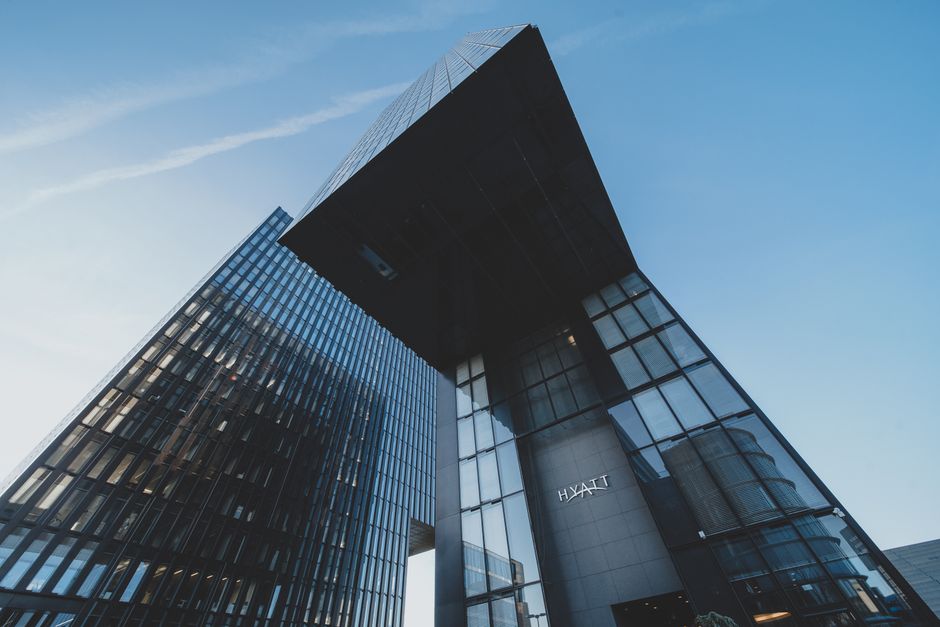
Grand Hyatt Seoul tends to work best when you want a reliable, upscale “base camp” rather than a hotel that’s purely about being in the busiest shopping street. The Hannam/Itaewon area suits travellers who like mixing big sights with neighbourhood evenings—while still having straightforward taxi and subway options when walking gets hilly.
Below, you’ll find what matters for day-to-day logistics: what rooms feel like for staying put, how breakfast usually runs, and how to plan routes so you don’t spend your holiday backtracking.
Rooms: Comfort for Longer Seoul Days
When you book, double-check:
- Whether your room category matches the bed setup you want (especially if you’re travelling as a pair)
- How much space you’ll have to open luggage without blocking walkways
- Any room-type notes that affect quietness (some layouts can feel different depending on where they face)
Beds, sound, and the “work-ready” feel
Hyatt-branded properties in this tier typically aim for a dependable sleep experience and a room that can handle laptop work. For planning your days, the useful question is whether you’ll be able to rest between sightseeing blocks.
A few practical checks before you choose a room:
- Look for comments on noise sensitivity if you’re a light sleeper
- If you need a desk for evenings, confirm the room type includes a genuinely usable workspace
- If you’re coming from a long-haul flight, choose a setup that supports a slower first morning (for example, easy in-room charging)
Room requests worth making
You’ll get the smoothest stay if you request the things that reduce friction, not just upgrades.
Commonly worth requesting when available:
- A quieter room away from the busiest internal circulation routes
- A room that suits your schedule (morning light vs. evening comfort)
- Housekeeping preferences if you like a consistent routine
Breakfast: Easy Mornings Before You Head Out
For planning, it helps to think of breakfast as:
- A place to handle different diets without needing a special order every day
- A quick option if you’ve got a booked tour or timed entry later
Timing and crowding
In a central Seoul hotel, breakfast can get busy during typical tourism windows—especially on weekends. If you’re trying to beat the crowd on major attractions (or simply want a calm start), try to arrive slightly earlier than the “everyone else” rhythm.
If your schedule is tight, consider:
- Arriving right at opening if you want the widest selection
- Going a bit later if you prefer a calmer dining room
Dietary needs and coffee breaks
If you’re vegetarian, gluten-sensitive, or simply picky about morning choices, confirm what’s available on the day at booking or during check-in. Buffet setups make it easier to mix-and-match, but the exact options can vary by weekday.
Practical tip: ask staff what tends to be easiest for your diet rather than trying to “hunt” through everything once you’re hungry.
The Neighborhood: Hannam/Itaewon Base-Camp Logic
Walkability and hills
Hannam and nearby parts of Yongsan can feel walkable in short bursts, but Seoul’s terrain means you’ll often trade flat strolling for short uphill stretches. This is fine if you plan your day in blocks—walk to one cluster of sights, then use a taxi/subway hop to reset.
What to expect on foot:
- Sidewalks are generally there, but slopes can slow you down
- The nicest evening areas tend to be more “neighbourhood-to-neighbourhood” than one long flat strip
Evening vibe and where you’ll keep returning
Itaewon is known for its global dining scene and late-night energy, and Hannam brings a slightly more residential feel nearby. If you like variety—dessert, casual bars, or a sit-down meal—you’ll usually find enough choice within a reasonable taxi ride.
If you’re planning late dinners, the logistics are straightforward:
- Use taxis when you’re tired (and the route is longer)
- Keep a simple fallback plan in mind so you’re not chasing options after a big day out
How close you are to major sights
This part of Seoul is convenient for pairing “classic landmarks” with museums and parks, without forcing you into a daily commute from the far edges of the city.
Getting There and Around: Transit Without Headaches
From Incheon and Gimpo airports
Traffic can swing your journey time a lot, but these rough planning ranges help:
- From Incheon Airport, allow about 60–90 minutes by car in lighter traffic; longer during rush hour.
- From Gimpo Airport, allow about 30–60 minutes by car depending on the time of day.
If you’re arriving with jet lag, a taxi/ride-hailing transfer often reduces stress—just be ready for Seoul traffic patterns around peak commuter hours.
Subway and taxi strategy
You’ll likely use a mix:
- Subway for predictable city-wide movement when you’re travelling cross-town
- Taxi for the “last mile” when walking uphill isn’t worth it after a long day
A practical approach is to group activities by neighbourhood and then decide on the transport mode per block: subway between clusters, taxi when the distance is longer or the route is uphill.
Planning routes to cut backtracking
Seoul is efficient, but it rewards smart sequencing. To keep daily effort low:
- Pick one anchor attraction per morning (museum, viewpoint, or landmark)
- Pair it with one nearby neighbourhood meal plan rather than spreading across the city
- Build in one “buffer block” where you don’t have a timed commitment
Is Grand Hyatt Seoul a Fit for You?
Best for business, couples, and comfort-first stays
Grand Hyatt Seoul is typically a good match if you want:
- An upscale, full-service hotel vibe that doesn’t require constant decision-making
- Comfortable rooms that suit both sightseeing and downtime
- Breakfast that works as a reliable start before you move on to the next plan
What to watch before you book
Before you commit, verify a few practical points:
- Whether your rate includes breakfast (if you’re planning to eat in-house)
- Room category details that affect quietness and bed setup
- The walking effort you’re comfortable with on sloped streets in this part of town
Nearby sights to plug into your itinerary
From this area, you can assemble an easy day schedule using short hops and manageable walking pockets. These are reliable add-ons for most travellers:
- N Seoul Tower (from Namsan Park)
- Leeum Museum of Art
- Itaewon dining and shopping streets
- War Memorial of Korea
- National Museum of Korea
- Hangang riverfront areas for a breather walk
What to Do Next
If you’re deciding between room types, choose based on your travel rhythm: quietness for sleep, and layout convenience for luggage and charging. Then plan your first two days around neighbourhood clusters (one morning landmark, one evening dining pocket) so the hotel’s location works for you rather than against you.
When you book, double-check whether breakfast is included and confirm your preferred room setup and quietness requests.