

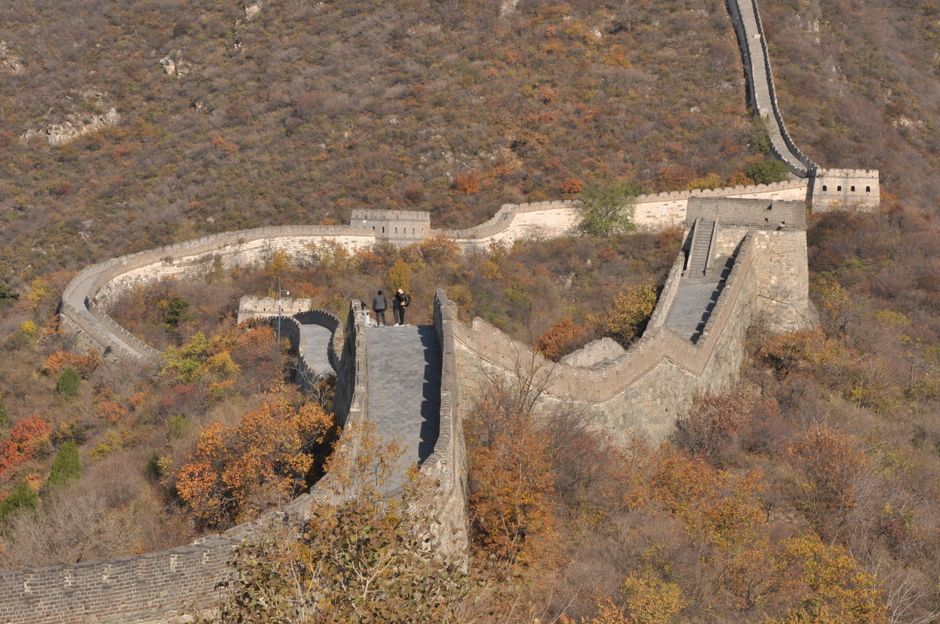
If you want a day on the Great Wall without joining a tour, the key is choosing the right section first—then building a realistic travel plan around how long it takes to get there and how quickly entry queues build up.
This guide walks you through practical route options from central Beijing, what tickets you’ll typically need, which wall sections suit different fitness levels, and the timing buffers that keep the day from turning into a queue marathon.
Choosing the Right Great Wall Section for a Day Trip
Before you book transport, decide what you want from the hike: easy viewpoints, a short walk, steep stairs, or fewer crowds.
Start with how much walking you actually want
A “day trip” often sounds flexible until you add transfer time, ticket queues, cable cars, and the walk back. Use your fitness level to pick a section where you can turn around if you need to.
A good self-guided rule: choose a section that offers at least one option to reduce walking—like cable car access or a clearly marked turnaround point.
Match the section to the atmosphere
Different sections feel very different:
- Restored and smooth (often busier): easier footing, more facilities, more crowd pressure
- Steeper or more rugged: fewer shortcuts, slower pace, stronger views
Consider your day-trip “success metric”
For a self-guided day trip, “success” usually means:
- you reach the wall quickly enough to still enjoy it
- you spend more time walking than queuing
- you return before late-afternoon transport gets chaotic
Getting There From Beijing: Bus, Rail, or Taxi
Routes depend on where you stay and which section you’re targeting. In general, bus and rail are the most predictable for cost, while taxis are the fastest for door-to-door convenience (but the most expensive).
Bus: usually cheapest, sometimes slowest
Buses can work well if your accommodation is near a major departure area and you don’t mind waiting for a full load before the vehicle leaves.
What to expect:
- Travel time: often around 1.5–2.5 hours each way, depending on traffic
- Comfort: crowded during morning departures
- Flexibility: limited—if you miss a departure, your whole day shifts
Rail + transfer: good for planning, still needs a buffer
Rail-based routes can be a solid option when you want a clearer timetable and less stop-and-go driving. You’ll typically still need a transfer (bus/shuttle/taxi) from the rail hub to the wall area.
What to watch:
- Add extra time for the transfer hop and local connections.
- Make sure you know which direction your transfer leaves from—rail hubs can be large.
Taxi or private car: best for time control, highest cost
A taxi (or a hired car) gives you the most control over departure time and reduces transfer complexity.
Realistic expectations:
- Travel time: commonly 1.5–2.5 hours to the nearer sections; longer for more distant parts
- Cost: often several hundred yuan to over a thousand yuan total for the car (varies a lot by route and your negotiation)
- Practicality: easiest when you’re travelling early and want to avoid multi-stage transfers
Tickets and Entry: What You Need to Buy Before You Walk
Ticketing is usually straightforward, but the day can slow down if you arrive without a plan.
Plan for two layers of tickets
Most Great Wall visits include:
- An entrance ticket for the specific section
- Optional lifts (like cable cars or chairlifts) if you want to reduce walking
Even if you can buy on-site, queues can form quickly—especially around the most restored sections.
Use the ticketing channel that matches your comfort level
Common approaches for self-guided travellers:
- Buy online ahead of time if you prefer certainty and smoother entry.
- Buy on arrival if you’re flexible—just build in buffer time at the ticket gates.
Bring what you’ll need for identification and payments. If you rely on mobile payments, make sure your phone setup works reliably before you leave.
Decide lift-versus-walk early
It’s easy to underestimate lift choices until you’re at the station:
- If you want maximum sightseeing with less fatigue, you’ll often use a lift for part of the route.
- If you want the “feel” of the wall and don’t mind stairs, you may skip the lifts.
A smart approach is to choose your turnaround point first. That makes it easier to decide whether lifts help you reach it.
Best Great Wall Sections for Different Fitness Levels
For a self-guided day trip, your best section is the one that lets you comfortably walk to a viewpoint, then return without panic. Below are practical choices by fitness level and crowd tolerance.
Mutianyu: Best mix of views, structure, and lift options
Mutianyu is one of the most day-trip-friendly sections because it’s well-organised and offers ways to reduce walking.
Why it works for many travellers:
- Clear paths and facilities
- Multiple ways to structure your route (short loops, or out-and-back)
- Cable-car access can help you manage fatigue
If you’re comfortable with moderate stairs, you can still do a satisfying walk without committing to the most demanding terrain.
Badaling: Easiest logistics, biggest crowds
Badaling is usually the simplest to reach and offers a very straightforward experience.
What to expect:
- Pros: easy wayfinding, good infrastructure
- Cons: typically crowded; queues can eat into your wall time
Choose Badaling if you want the “classic” experience and you’re okay with busier conditions.
Jinshanling: Longer day, stronger “wall” feel
Jinshanling tends to suit travellers who want more scenery and a more dramatic sense of the wall’s terrain.
Plan for:
- Longer walking than the most restored, lift-heavy sections
- Slower pacing, especially if you’re stopping for viewpoints
This is a good pick when you’re fit, enjoy hiking, and can commit to a full morning on the wall.
Simatai: Steep and dramatic
Simatai is often chosen for its dramatic character. It can feel tougher than you expect because of the steepness and rocky sections.
It suits you if:
- you’re used to stairs and uneven steps
- you’d rather go for a memorable, high-impact hike than a relaxed stroll
If crowds are high, a steep section can still be manageable because you can spread out more as you climb.
Gubeikou: More rugged, often fewer “theme-park” vibes
Gubeikou can feel less polished than the most popular restored areas. It’s a good option when you want a quieter, more rugged wall experience.
Consider it if:
- you’re comfortable with a tougher walk and less “managed” infrastructure
- you prefer fewer crowds even if it means less convenience
This can be a great self-guided day trip for active travellers who like exploring rather than just sightseeing.
Timing Buffers and a Realistic Day Plan (Without Missing Transfers)
Self-guided works best when you treat the day like a schedule with built-in slack. Crowds and transfers can slow you down, so plan for delays rather than hoping for smooth timing.
Build buffers for four common slowdowns
A realistic plan usually includes:
- Transport variability: add 30–45 minutes for traffic, especially on weekends
- Entry queues: add 20–40 minutes during peak periods
- Lift lines (if used): add 15–30 minutes
- Boarding return transport: add another 20–45 minutes to avoid feeling rushed
A practical day structure that keeps the day enjoyable
A common pattern that works for most self-guided trips:
- Morning departure: aim for early travel so you arrive before the biggest crowd wave
- Midday wall time: plan your main walking window before lunch peak
- Return earlier than you think: after your chosen turnaround, leave enough time to descend, re-enter ticket gates if needed, and catch your ride back
If you’re targeting a busier section, start earlier. If you’re targeting a tougher, longer section, you can also start early for energy—then return with momentum rather than fatigue.
Things to decide in advance so you don’t waste time on-site
To keep the day smooth, pre-decide:
- your turnaround point (even if it’s “as far as I feel comfortable”)
- whether you’ll use a lift and for which direction
- how you’ll get back (especially if you’re relying on buses that only depart from specific pickup points)
If you’re travelling in winter or in strong summer heat, also treat the wall walk as time-limited. The wall can be physically demanding even when the route looks “short” on a map.
What to do next
Pick one section from the list above and plan your transport around its location and your comfort with stairs. Then set an early departure target, add queue buffers, and choose a turnaround plan before you leave Beijing so your day stays flexible instead of stressful.