

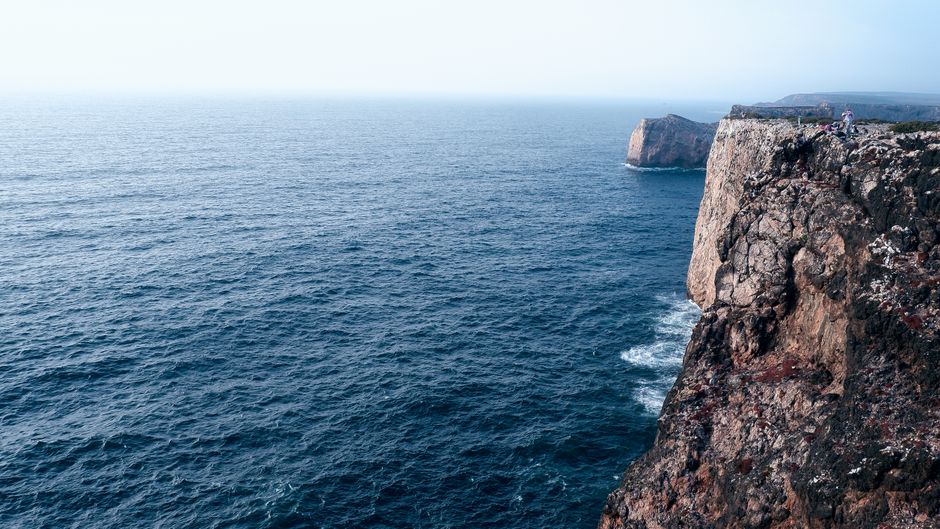
A day trip from Faro to Porto de Mós and Sagres is very doable, as long as you treat it like an itinerary (not a series of “maybe” stops). The main challenge is pacing: between the long coastal views, the bus connections, and the walking at cliff beaches, it’s easy to overpack the day.
This plan focuses on one beach in Lagos (Porto de Mós) plus a tight Sagres block built around either cliffs (windy, spectacular) or a more relaxed beach. You’ll also get ticket checkpoints and swap options so you can adjust on the day.
Plan the Day Trip Route (with swap choices built in)
You’re using public transport in two stages: Faro → Lagos, then Lagos → Sagres. Once you’re in Sagres, you’ll choose between cliff-heavy viewpoints and an easier beach plan.
The stops that shape your day
Use these as your anchors (and don’t add extra detours unless a swap makes room):
- Faro
- Lagos
- Porto de Mós
- Sagres
- Cabo de São Vicente
- Forte de Sagres
- Praia da Mareta
- Praia da Bordeira
- Praia do Beliche
Best pacing rule: 2 “main blocks”
To avoid overpacking, plan around two main blocks:
- Morning block: Faro → Lagos → Porto de Mós (swim + photos)
- Afternoon/evening block: Lagos → Sagres → one viewpoint route (plus a single beach stop)
Anything else should be optional on foot, not an extra bus ride.
Beach-vs-cliff swap (choose one extra, not both)
If you want water time (and calmer footing), lean toward Praia da Mareta. If you’re here for dramatic coastline, keep your focus on Cabo de São Vicente and consider one cliff beach (Praia da Bordeira or Praia do Beliche), not both.
Morning routing: Faro to Lagos to Porto de Mós
You’ll usually find the cleanest connection by combining train and/or intercity bus options toward Lagos. The exact operator and platform can vary by day, so plan to arrive a little early at Faro’s station or bus terminal.
Time block that works for most travellers
Aim for an early start so Sagres doesn’t compress into a rushed late afternoon.
Suggested timing (adjust by the exact connection you find):
- 07:00–09:00: depart Faro
- ~09:30–11:30: arrive Lagos
- 10:00–12:30: reach Porto de Mós and spend 1.5–2.0 hours there
Ticket checkpoints (so you don’t lose time)
Public transport checks are usually straightforward, but the cost of missing one transfer can be your whole lunch plan.
Before you board:
- From Faro: buy your ticket for the Faro → Lagos leg at the station/bus counter (or online if that’s available in your channel), and keep the confirmation easy to access.
- In Lagos: if your Faro → Lagos leg is by train, transfer directly to the area where local buses depart for the beach zone; keep your ticket/receipt available in case staff ask.
- To Porto de Mós: use the local bus stop nearest the beach (or be ready for a longer walk if the service is infrequent).
On arrival at each stage, avoid “time-savers” like leaving your ticket packed away.
Porto de Mós without overcommitting
Porto de Mós is the right kind of beach for a day trip because it’s reachable and you can keep your walk manageable.
To keep the morning smooth:
- Prioritise one thing: either a swim session or a long photo walk along the shoreline (not both).
- If it’s windy, shorten your beach time and shift more of the “cliff energy” to Sagres later.
Midday swap: choose your Sagres style before you get there
The easiest way to ruin a day trip is to arrive in Sagres and then realise you’re too tired (or too late) for the cliff walk you had in mind. Decide midday which “flavour” you want.
The decision point: how much walking are you happy with?
Use this quick test while you’re still in Lagos:
- If you’re comfortable walking sloped paths and exposed viewpoints, pick cliff time in Sagres (Cabo de São Vicente + one of the cliff beaches).
- If your energy is limited, pick Cabo de São Vicente + Praia da Mareta (viewpoints first, swimming later).
The connection reality: Lagos → Sagres
Public buses run the Faro-to-Sagres corridor via Lagos. Plan for:
- ~1 to 1.5 hours for Lagos → Sagres, depending on the service and number of stops.
- A buffer of at least 30–45 minutes between arrival in Sagres and your “must-see” viewpoint.
If a connection looks tight, take the earlier one. Waiting costs you less than chasing a later transfer.
Where to place lunch so you don’t lose the afternoon
For a day trip, lunch is best as a quick sit-down (or a takeaway) near your first Sagres target.
A practical approach:
- Eat soon after arrival in Sagres (so you can walk while it’s still light and less busy).
- If you’re choosing a cliff beach later, keep lunch light—long waits and heavy meals make the return bus feel longer.
Afternoon routing: Sagres viewpoints, fort, and one beach
Once you’re in Sagres, the goal is to stack sights efficiently: viewpoint → fort area → one beach (or skip the beach if you want sunset photos).
Time block that avoids the “too late for everything” problem
Suggested pacing (based on typical travel times, not exact timetables):
- ~13:00–15:00: Sagres arrival + Cabo de São Vicente viewpoints
- 15:00–16:30: Forte de Sagres area and town wandering (short and purposeful)
- 16:30–18:00: beach choice: Praia da Mareta or cliff beach (Praia da Bordeira/Praia do Beliche)
If you want sunset at the cliffs, keep your beach stop shorter and put most of your time at the viewpoint.
Cabo de São Vicente: do it in one steady loop
Cabo de São Vicente is the “end of Europe” feeling zone—wind, cliff edges, and big sky. Plan for it to be your mental highlight.
To keep it enjoyable:
- Bring a layer and expect stronger wind than in town.
- Stay aware of cliff edges and restrict yourself to marked paths.
Forte de Sagres: quick stop, not a time sink
Forte de Sagres works well on a day trip because you can pair it with town time.
A good strategy is:
- Treat it as a 60–75 minute block (photos + short walk).
- If you find it crowded or lines slow you down, don’t stretch it—your beach/return bus matters more.
Return plan and stress-proofing (so the day doesn’t unravel)
On a self-guided day trip, the return leg is where plans either succeed or collapse. Build in buffers and decide early how you’ll handle delays.
How to time the return from Sagres
Instead of aiming to “see everything,” set a firm turnaround.
A reliable rule:
- Start heading back toward the bus stop area at least 60–90 minutes before you think you’ll want to be on the Lagos connection.
- If you’re unsure about buses later in the evening, plan to leave Sagres earlier rather than later.
Luggage and what to carry (keep it light)
Cliff beaches can be awkward with bulky bags. Keep your kit simple.
Bring:
- Water + a snack (you may not want a full meal right at the hottest time)
- Windproof layer and a hat
- A small towel or quick-dry option if you’re committing to a beach swim
Avoid:
- Big daypacks that make quick viewpoint changes slow
Simple swaps if the day runs behind
Use these “if-then” swaps instead of abandoning the whole plan:
- If Lagos transfers are faster than expected: add a short extra window on Porto de Mós, but keep your Sagres arrival target.
- If Sagres feels late or crowded: drop the cliff beach and go for Praia da Mareta (easier to manage on limited time).
- If wind is extreme at the cliffs: skip Praia da Bordeira/Praia do Beliche and focus on Cabo + Forte, then return.
What to do next
Before you leave Faro, write down your two key legs (Faro → Lagos and Lagos → Sagres) and choose your Sagres style: cliffs (Cabo de São Vicente + one cliff beach) or beach-forward (Cabo de São Vicente + Praia da Mareta). Then build your day around a firm return plan so you can enjoy the views instead of sprinting between connections.