

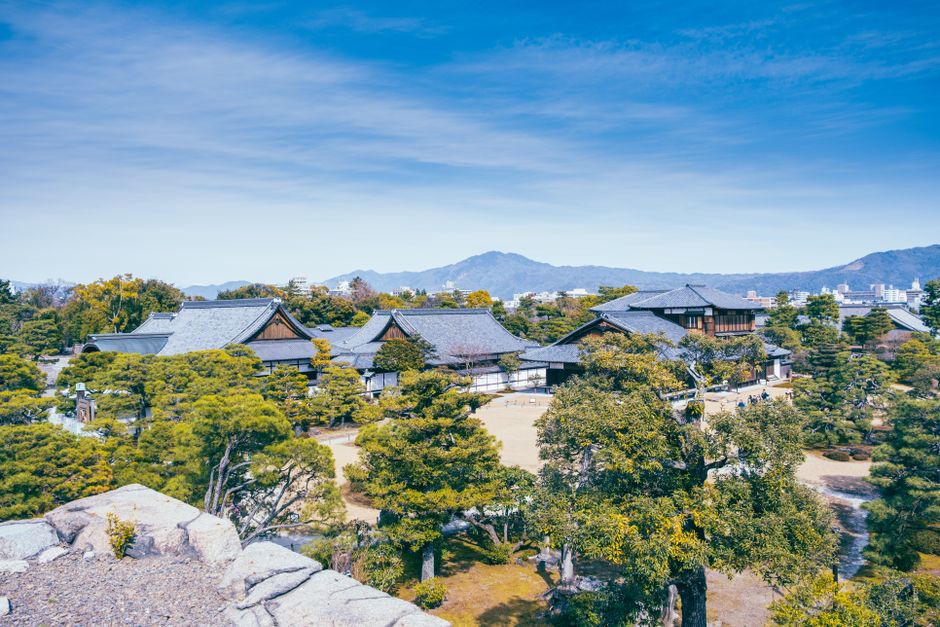
If you want a focused day in central Kyoto, Nijo Castle and the Kyoto Imperial Palace are an ideal pairing. They’re both major “must-sees”, but they work best when you (1) start early, (2) keep the between-sights transit short, and (3) build in buffers for crowds and weather.
This plan assumes you’ll base yourself around Kyoto Station or central bus/subway connections. If you’re staying elsewhere, you can still use the same order and walking logic—just adjust your first rail stop.
Nijo Castle and Kyoto Imperial Palace: the best flow for a single day
You’ll get the smoothest day by doing Nijo Castle first and then shifting to the Imperial Palace in the morning-to-midday window.
Why Nijo Castle first
Nijo Castle is popular for its architecture and interiors, and it’s also the more “tight” experience: queues and slower-moving groups can build quickly at key rooms. Starting earlier helps you see more before the day peaks.
What the Imperial Palace feels like later
The Kyoto Imperial Palace is grand and ceremonial, and the grounds give you a bit more space to breathe once the morning rush has passed. By the time you arrive, you’re also less likely to feel rushed through quieter outer areas.
A realistic day rhythm (no long gaps)
Aim for: early entry at Nijo Castle, a short transit, then several hours across the Imperial Palace grounds and interiors. Avoid inserting big detours between the two—if you’re stuck in traffic or a slow bus, you’ll feel it when you reach the palace.
Getting there and between: a rail-first routing from Kyoto Station
Kyoto is easiest when you use the subway for the main hop and treat walking as the connector inside each site.
Morning hop to Nijo Castle
From Kyoto Station, take the subway (Karasuma Line direction) to Nijōjō-mae Station, then walk a short distance to Nijo Castle.
If you prefer buses (often handy when the timetable syncs), you can use a direct bus from the Kyoto Station area, but buses can be slower on congested streets. For a day-trip with timed entry concerns, rail-first usually feels less stressful.
Midday hop to the Kyoto Imperial Palace
After Nijo Castle, return to the nearest subway access and ride toward Imadegawa or Marutamachi area stops (Karasuma Line is the common connector). From there, plan on a 10–15 minute walk to the Imperial Palace grounds.
A bus can also work for this leg, but it’s more variable. If weather turns bad, you can still switch to bus later; your buffer strategy (below) covers the uncertainty.
Station-to-site bearings (what to watch for)
You’ll feel the walking part most at the Imperial Palace: the entrance area is a bit spread out across a larger park-like setting. When you exit the subway station, don’t aim for the exact same “corner” each time—aim for getting onto the main approach roads toward the palace grounds, then follow the signage once you’re close.
Self-guided end-to-end walking plan (timed to beat crowds)
Treat this as a flowing circuit, not a “stop-and-start” day. Move through the castle in sequence, then do the palace in a loop that returns you toward the main entrance area.
Nijo Castle: your on-site circuit in order
Try to arrive soon after the opening window so you’re not fighting the heaviest interior queues. Once inside, use this simple path:
- Main gate and outer approach: set your pace before interiors get busy
- Ninomaru Palace buildings: focus on interiors and layout before the crowd thickens
- Key corridor/room sequence: follow posted routes rather than trying to “skip ahead”
- Upper/adjacent rooms you still have time for: choose based on crowd density
- Exit route and final courtyard viewing: finish while you still have daylight and energy
A useful trick: when you see groups bunching at a specific room entrance, pass through adjacent areas first. That way you’re not forced to wait in a single bottleneck.
Transit to the Imperial Palace: keep it short and predictable
Aim to leave Nijo Castle with a clear window, not “whenever you’re done.” If you finish early, you can refill water, but don’t linger too long—getting to the palace while it’s still within its earlier daily flow usually matters more than arriving right at the last possible moment.
You’ll then take the short subway ride and walk into the palace grounds.
Kyoto Imperial Palace: your on-site circuit in order
Once you’re inside the palace grounds, plan for a longer “walk-and-look” experience with ceremonial spaces and a few interior/structured viewing points. A good self-guided loop is:
- Main gate approach and first courtyard views: start wide, then slow down
- Core palace building area: follow the posted path; don’t backtrack aggressively
- Decorative/ceremonial corridors and room viewing zones: expect controlled flow
- Gardens and outer grounds viewpoints: switch to slower pacing here
- Final approach back toward the main entrance: end your loop without rushing
Crowds at the Imperial Palace often move in waves tied to entry groups. If you reach a popular interior section and it’s congested, pivot to a nearby open courtyard for 10–20 minutes, then return when the wave passes.
Entry timing, tickets, and what to book ahead
For two big “official” sights in one day, the goal isn’t perfection—it’s avoiding the most common failure mode: arriving when the flow is already fully loaded.
Arrive with a buffer, not a deadline
For Nijo Castle, you’ll usually do best by getting there early enough to start the circuit before the first major crowd wave. If you’re unsure of exact opening times, use this rule of thumb: arrive at least 30 minutes before your target start so you have time for getting through any security/ticketing steps.
For the Kyoto Imperial Palace, build the same kind of margin, but keep it realistic: you’ll be transferring from Nijo Castle, so leave yourself extra time for the subway-to-walk leg.
Tickets and access: where planning helps most
Both sites can involve separate ticketing processes and may limit access to certain buildings or sections based on daily rules. Before you go, check whether:
- Tickets are sold by time window or grouped slots
- Some interiors require a separate reservation or confirmation
- Last-entry rules apply
If reservations are offered for the parts you most want to see, it’s worth booking early—especially on weekends and holidays.
Don’t overload interiors
A common mistake is trying to “see everything” in the exact same sequence. Instead, decide your top priorities before you arrive:
- If you care most about interiors: protect your time for the castle rooms and the palace’s main viewing areas.
- If you care about atmosphere: keep gardens and outer grounds as your flexibility zone when crowds build.
Buffer strategy for crowds and weather (so your day stays on track)
Even a good plan can collapse if you don’t protect against congestion and rain. Use buffers that work with how these sites actually move visitors.
Crowd buffers: stagger your “hard points”
You’ll notice two types of bottlenecks: entrances to popular rooms and any controlled-flow interior zones. Your best strategy is to treat those as hard points and keep everything else flexible.
- Do your first interior-heavy portion early (Nijo Castle morning).
- For the Imperial Palace, expect waves—switch to outdoor grounds when the interior gets crowded.
- Build in short “wait bypass” moments: if you hit a queue, move 5–10 minutes to a nearby courtyard or garden view rather than waiting immediately.
Weather buffers: plan for rain without losing the day
Kyoto weather can change quickly, and umbrellas are useful even when you think skies are clear. Your buffer strategy should include:
- A rain-ready layer (compact umbrella or light rain gear) so you can keep walking between stations and entrances.
- A contingency pace: if it’s pouring, shorten your outdoor garden time and spend more time in the indoor viewing sections you reached earlier.
- An extra transit margin: buses slow down more than subways when it rains, so rail-first helps.
Where to reset (without turning it into a long break)
If you need a pause—after a long queue or in heavy rain—choose a short reset that doesn’t derail the rest of the day. Think: quick water refill and a brief indoor shelter step, then get back to your loop.
For lunch, avoid scheduling something too close to your next entry window. A relaxed lunch 45–60 minutes after your Nijo Castle circuit is usually easier than trying to eat immediately before you step into the next timed-flow site.
Final steps for your day trip
Before you leave, write down the order (Nijo Castle first, then Kyoto Imperial Palace) and the rail leg you’ll use from Kyoto Station, then aim to be at each site early enough to handle ticketing and entry flow. On the day, treat interior hotspots as fixed points and use outdoor grounds as your flexibility buffer if crowds or weather slow you down.