

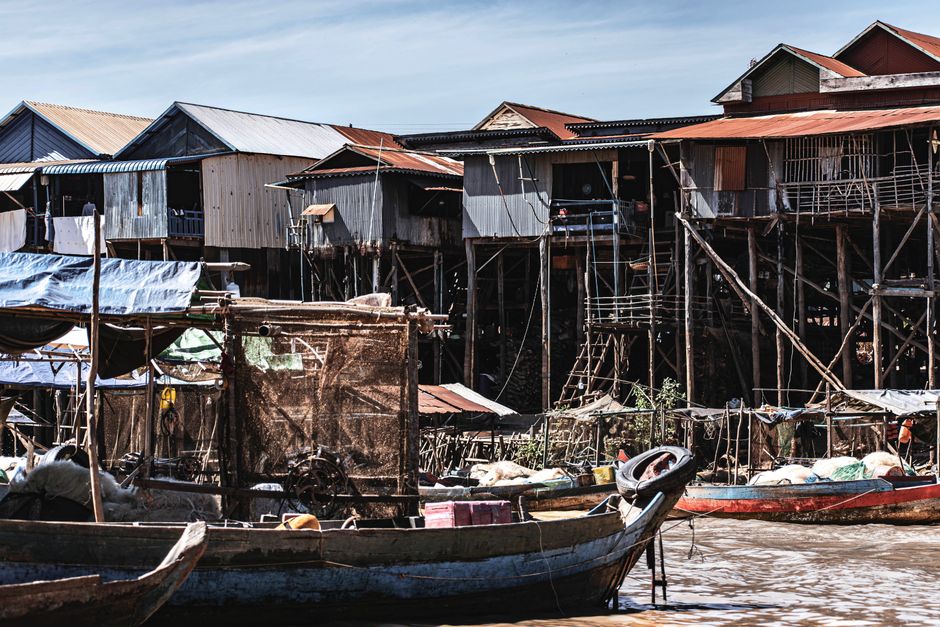
You can absolutely stitch together a self-guided day trip in Siem Reap—floating village + countryside temples—without turning it into a full-day slog. The key is to treat the day like a route on a map: one clear direction for the morning, a realistic return time for the boat, and clustered sights for the afternoon.
Pick a Route Style That Matches Your Comfort
Choosing the right “style” decides everything else: how you travel, how you schedule the boat, and how much you can fit.
Option A: Driver for the Floating Village, Self-Directed Countryside
This is the easiest way to keep the day smooth if your floating village stop depends on a specific boat departure.
- Hire a tuk-tuk or car with driver for the main leg (Siem Reap to the Tonle Sap dock and back).
- In the afternoon, you can switch to short hops on a rented scooter/tuk-tuk or keep the same driver if traffic and heat build up.
Why it works: boats and ticket points run on schedules, and the roadside can be slow outside the centre.
Option B: All-Day Driver (Simplest, Least Flexible)
If you want minimal stress, reserve an all-day vehicle and confirm the order of stops.
- You’ll still control the pace, but you won’t have to negotiate multiple pickups.
- This is especially useful if you’re travelling in the rainy season when roads and rivers change how long things take.
Option C: Rent a Scooter and Go All Self-Guided (Only if You’re Confident)
A scooter can work for countryside stretches, but it’s not always ideal for boat timing.
- Expect uneven surfaces near the edges of town and some busier junctions.
- If you’re not used to riding in Cambodia traffic, it’s safer to use a driver for the early leg and then rent for the afternoon.
Getting There and Booking Basics (Without Overpaying)
A “self-guided” trip doesn’t mean you plan every detail online. It means you control the order, timing, and how long you spend at each place.
Know What You’re Booking: Transport vs Boat vs Entrance
For the floating village leg, there are usually three separate components:
- Getting to the dock area (vehicle hire or shared transport)
- The boat ride (paid at/near the dock; duration varies)
- Any entrance or local fees (tickets are often collected on arrival)
If you try to bundle everything into one price without confirming the breakdown, you can end up paying more than you need.
Book the Right Way: Confirm Timings, Not Just the Price
Even if you’re not arranging everything from home, you should still confirm these points:
- When you can start the boat ride (early enough to avoid crowds)
- How long the boat route typically takes and how long you’ll have on land afterwards
- Whether the boat includes a guide or is more “point and go”
If you’re using a driver, it’s worth asking them to wait for the boat window—otherwise you risk a detour or a second pickup.
Transport Options That Usually Work From Siem Reap
Here’s what tends to be realistic for a day trip:
- Private tuk-tuk/car with driver: best for reliability and keeping timing tight
- Shared transport (if available): cheaper, but schedules can be looser and pickups may be awkward
- Rented scooter: best for the countryside part after the boat leg
For pricing, set expectations like this: you’ll pay less with a shared option, but you’ll pay for time savings and coordination with a driver.
Make the Floating Village Stop Efficient
The floating village experience is more enjoyable when you avoid two common problems: arriving too late and getting stuck in a long wait.
Use an Early Start to Avoid Congestion
In Siem Reap, floating-village boats are busiest when day tours stack together. Starting earlier helps you:
- get onto the water before crowds build
- spend more time exploring and less time waiting
- keep the afternoon from running late
Aim for the kind of start where you’re ready at the dock while it’s still calm rather than at the peak of departures.
Choose Boat Duration Based on Your Afternoon Plan
Long boat routes can be beautiful, but they compete with temple time.
A practical approach:
- If you want countryside temples after, choose the shorter/medium boat duration.
- If you’re willing to sacrifice the number of stops later, choose the longer route.
Before you agree, confirm how soon you’ll return to land and whether you’ll have time for a quick rest stop.
Stop Order Matters: Don’t Reverse Direction Mid-Day
To avoid detours, keep your route in one direction.
A good rule of thumb:
- Do the floating village first (morning)
- Return to the Siem Reap side for lunch or a quick recharge
- Then move into the countryside temples in an order that keeps driving time compact
Countryside Add-Ons Without Detours
Once the boat leg is done, the challenge is spacing. You want a route with short transfers rather than hopping across the map.
A Simple Stop Bank (Pick 2–3)
Use these as your countryside options. Choose based on how hot and how late the day feels.
- Kampong Phluk (Tonle Sap floating village experience)
- Bakong
- Preah Ko
- Lolei
- Banteay Srei
- Phnom Krom
Build a Coherent Afternoon Loop
A workable afternoon pattern is to cluster temples that sit close together.
For example:
- If you want a classic temple cluster, group Bakong, Preah Ko, and Lolei so you’re driving short distances between ruins.
- If you’re choosing Banteay Srei, pair it with only one other nearby option rather than trying to “add everything” after it.
- If you want views and a shorter drive, Phnom Krom can work as a late-afternoon stop, especially when you’re trying to keep the day from stretching.
Keep the Heat and Timing Under Control
Siem Reap heat (and humidity) can turn a good plan into a tiring one.
Instead of cramming, use a simple pacing strategy:
- Plan one “main” temple stop with time to walk around.
- Treat the other stop(s) as shorter circuits.
- Carry water and build in time for shade breaks.
If you’re travelling in the rainy season, also expect that the “same distance” can take longer because surfaces get slick and slower.
Next Steps: Lock the Day in Before You Leave Town
Once you’ve picked your route style, do two quick tasks: confirm the boat timing for the floating village leg and decide which 2–3 countryside stops you’ll actually commit to. Then book your transport with the stop order already agreed, so you’re not negotiating at each pickup point. After that, pack water, cash for local fees, and a realistic return time so the day feels planned—not rushed.