

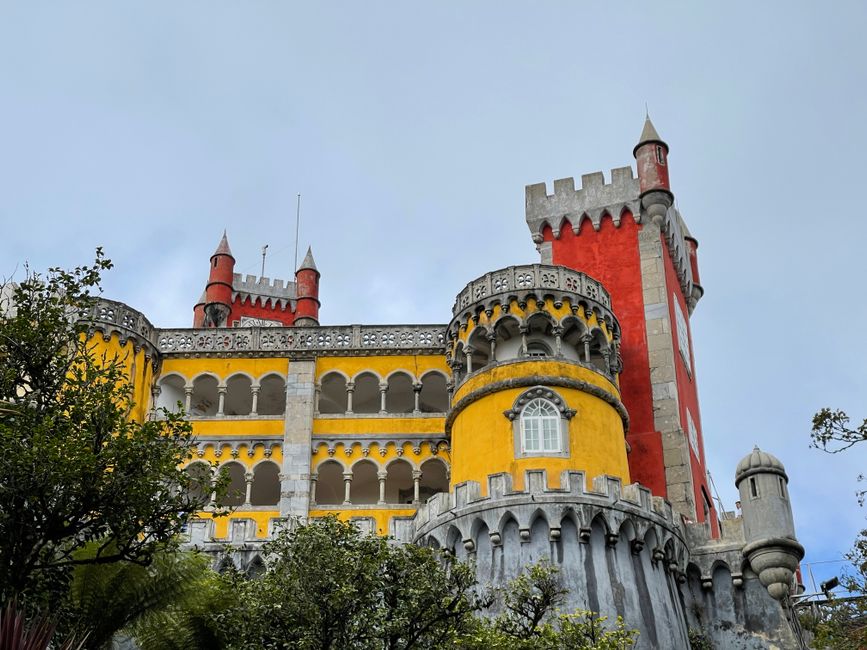
Sintra is easiest as a day trip when you treat it like two stages: bus in from Lisbon, then short hops between palaces once you’re in Sintra. With the right order (and a weather swap ready), you can see the big three—Pena, Monserrate and Quinta da Regaleira—without turning the day into a constant backtrack.
Lisbon to Sintra by Bus: Routes, Boarding Point, and Timing
You can reach Sintra by direct bus from central Lisbon. The key is choosing a route that drops you in the Sintra area (usually near the bus hub or town), so you can switch to local buses for the palace viewpoints.
The most reliable departures (Lisbon → Sintra)
Look for buses operated by Scotturb that run from Sete Rios to Sintra. These are the route numbers to watch on the departure board and on the bus itself:
- Bus 434 (Sete Rios → Sintra)
- Bus 435 (Sete Rios → Sintra)
How long the ride takes
Expect a typical journey time of about 40–60 minutes, depending on the day and traffic. If you’re going at a peak time (late morning onward), build in extra buffer—Sintra traffic can slow buses near the town approach.
Getting yourself there early enough
For a self-guided palace day, a practical target is arriving in Sintra by late morning. That leaves time to get the first palace bus, handle tickets and timed entry, and still reach your final stop before late-afternoon crowds tighten.
Buying Bus Tickets in Lisbon (On the Spot)
You don’t need to pre-book the Lisbon → Sintra bus for most day trips, but you do want to avoid last-minute stress.
Where to buy
At Sete Rios, you can usually buy a ticket at the station/bus counter or ticket point. If you don’t find a counter line, ask staff where the tickets are sold for the bus line you’re taking.
On-the-day rules of thumb
- Have a payment method ready, but also keep some cash as a backup.
- If you’re travelling on a weekend or in high season, go in a little earlier so you’re not sprinting to the correct platform/bus.
- Keep your ticket until you’re fully off the bus—sometimes staff may check during the journey or at departure zones.
Don’t miss the right “Sintra” drop
The route display can mention the final point (often the main town/bus area). What you want is a stop that gets you close to where you’ll change to the buses heading uphill for the palaces.
Where to Get Off for the Main Palaces
Once you’re in Sintra, you’ll typically use local buses to reach the palace zones. Your best move is to base your day on clear drop-off stops so you’re not guessing your way up steep lanes.
Use these stops when you’re aiming for the big three:
- Palácio da Pena (Pena Palace stop)
- Monserrate (Monserrate stop)
- Quinta da Regaleira (Quinta da Regaleira stop)
How to sequence the stops without wasting time
From the town area, buses generally run in “uphill” loops for the Pena/Monserrate zone and separate access for Quinta da Regaleira. If you start with the highest stop first, you’re more likely to finish the day with a smoother downhill walk or bus ride back toward the town.
Expect short climbs even with the bus
Even when you get off at the correct stop name, you’ll still face some walking on pavements and steps. Wear shoes you’d use for a hilly old town, not flat sandals.
A Self-Guided Day Route That Fits the Palace Loop
A good day trip plan in Sintra is simple: pick an order, commit to it, and give each palace enough time to breathe. The biggest time drains are queueing and long garden wandering.
Morning: start with Pena if you want maximum variety
A common rhythm is:
- Start your uphill push with Pena Palace.
- After the main complex, keep moving toward the Monserrate side rather than repeatedly crossing back and forth between viewpoints.
This works well because Pena’s area sits higher and tends to set the tone for the rest of the day.
Early afternoon: swap to Quinta da Regaleira for a different feel
Then shift toward Quinta da Regaleira. It’s a different type of site—less about one dominant view and more about exploring the grounds and standout features. It also helps to schedule it after you’ve already “used up” the most demanding walking earlier.
Late day: protect your return time
Build your return plan so you’re heading back toward Lisbon comfortably before evening traffic tightens. If you’re leaving late, you’ll often feel it in bus delays and longer waits at the Sintra end.
Weather-Safe Swap Between Pena, Monserrate and Quinta da Regaleira
Sintra weather can change quickly: mist rolls in, rain turns viewpoints into slippery slopes, and wind makes terrace time feel short. The trick is to decide which palace you’ll prioritise when the weather turns.
If it’s rainy or foggy: prioritise what’s most forgiving
When visibility is poor, the “wow” factor of lookouts can drop fast. In that case, choose an order that limits time spent hunting for views:
- Lead with Quinta da Regaleira, then add Monserrate next.
- Keep Pena for later, when conditions may improve, and treat it as your “backup” for the best indoor/outdoor balance.
If it’s misty but not raining: keep the swap flexible
Mist can still make the palaces feel dramatic, but you’ll likely spend less time on open terraces. A safe approach is:
- Start with Pena early (before the crowds thicken).
- If the views disappoint, shift your focus to Monserrate gardens/architecture rather than obsessing over distant scenery.
- Finish with Quinta da Regaleira for structured exploration time.
If it’s bright and dry: do the classic order
On a clear day, views are part of the deal. You can follow the traditional energy of a Sintra palace loop:
- Pena → Monserrate → Quinta da Regaleira
Just keep an eye on timing—quicker weather windows often come and go, and you’ll want enough buffer to get the next bus.
What to Do Next
Write down your preferred order (Pena/Monserrate/Quinta da Regaleira) and your weather-based backup swap before you leave Lisbon. Then, plan your first arrival into Sintra with enough time to reach the correct local stop and not feel rushed once you start queueing.
When you’re ready, check which bus line numbers you’re seeing for Sete Rios → Sintra (434 or 435) so you can match your day’s timing to the simplest route.