

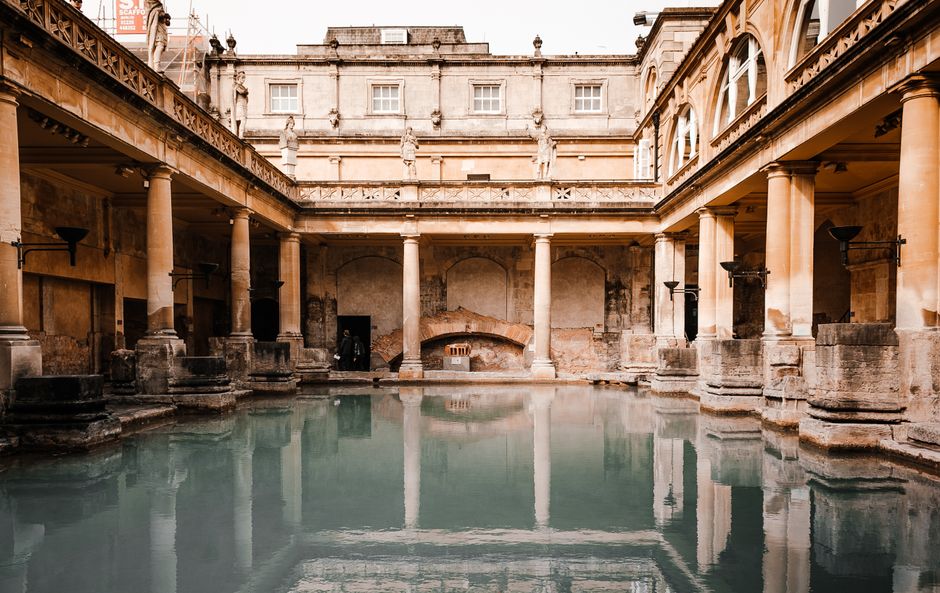
Train to Bath: timing and ticketing from London
Pick a departure that protects your Roman Baths slot
For a self-guided day trip, aim to arrive in Bath Spa with enough slack to find your bearings before your chosen time slot at the Roman Baths. In practice, you’ll want a morning train (or an early afternoon start) and a return train booked with a buffer of at least 30–45 minutes.
Typical journey planning points:
- Travel time: about 1 hr 30 min to 2 hr one way from central London to Bath Spa.
- Station changeovers: usually none, but always check the specific service for your date.
- Arrival strategy: if your Roman Baths entry is timed, you’ll be walking from Bath Spa station to the Roman Baths area in roughly 10–15 minutes.
Book rail tickets early (especially for peak weekdays and weekends)
You’ll usually get the best value by booking in advance, then matching your ticket to your selected departure time. If your plans might change, consider a ticket type that allows flexibility—but expect the trade-off to be a higher cost.
When deciding what to buy:
- Search for off-peak or advance options rather than buying at the last minute.
- If you’re travelling with flexibility, compare fares for nearby departure times—sometimes the price gap is small.
Plan your return before you start walking
Once you’re in Bath, it’s easy to lose track of time—especially around the historic centre. Before you leave London, pick your return departure window and keep it realistic.
A good rule:
- If you’re doing Roman Baths + a full city-centre walk, plan to be back at Bath Spa roughly one hour before your chosen train.
Roman Baths: entry planning without wasting time
Book timed entry and build in a short arrival buffer
The Roman Baths is the anchor of the trip, so treat entry like a reservation rather than a casual drop-in. You’ll typically need a prebooked ticket with a specific entry time.
What to do:
- Choose an entry time that lands you in the city before lunch, if you can.
- Aim to arrive at the complex a little early—think 10–20 minutes—so you can pass security and settle without rushing.
Decide how you’ll experience the site
For most travellers, the experience is best when you don’t try to do everything at speed. You’ll get more from picking a focus, such as:
- The key highlights first (the main baths and visible remains)
- Museum galleries next (where you can slow down and read at your pace)
A practical time target for planning is about 1.5–2 hours for a thorough self-guided visit.
Factor in daylight and your walking comfort
If you’re arriving in winter, daylight runs short—your schedule should assume slightly more time indoors. If you’re travelling in summer, start earlier to beat the busiest hours around the Roman Baths and Bath Abbey.
Walking route: from Bath Spa to the city highlights
Follow this order by distance (station → Roman Baths → centre)
This route is designed to keep walking logical and backtracking minimal. Distances are approximate, and your pace will vary with crowds and weather.
Main stops (in walking order):
- Roman Baths — from Bath Spa station: ~1 km (about 12–15 minutes). Start early in the booked entry window.
- Bath Abbey — from the Roman Baths area: ~400–600 m (about 6–10 minutes). Plan for time to look around the interior and the main viewpoints.
- The Pump Room — from Bath Abbey: ~500–700 m (about 8–12 minutes). Good for a coffee and a quick pause in the middle of the walk.
- Royal Crescent — from the Pump Room: ~1.2–1.5 km (about 15–22 minutes). This is a landmark viewing section—slow down and enjoy the Georgian frontage.
- Pulteney Bridge — from Royal Crescent: ~1.0–1.4 km (about 15–20 minutes). The riverside views make this a high-value photo stop.
- Jane Austen Centre — from Pulteney Bridge: ~1.0–1.3 km (about 15–20 minutes). A compact indoor option to bring the day together.
Keep your time blocks realistic
To make the day feel unhurried, build in short breaks rather than long gaps.
A workable structure:
- Roman Baths: ~1.5–2 hours
- Abbey + Pump Room stop: ~1 hour total
- Royal Crescent + Pulteney Bridge: ~1–1.5 hours depending on photo stops and crowds
- Jane Austen Centre: ~45–75 minutes
Then add a buffer for crossing points, road edges, and slower walking in busy periods.
Where crowds usually build up
Bath’s historic centre is popular year-round. You’ll typically see the biggest slowdowns around the Roman Baths entrances and the most iconic terraces during mid-morning to early afternoon. If you can, pick a Roman Baths entry that isn’t right in the peak.
Tickets and entry for key city-centre sights
Bath Abbey (book if you want a smoother visit)
Bath Abbey is a major landmark and can get busy. If your visit window is in the middle of the day, plan to reserve or buy entry ahead where possible.
How to plan it:
- Arrive after your Roman Baths timing settles (don’t force both tightly back-to-back if you’re prone to queues).
- Give yourself enough time to step inside and still keep the walk comfortable.
Pump Room, Royal Crescent and Pulteney Bridge for the Georgian core
These stops work well as a continuous loop because they’re close enough to walk without feeling like you’re sprinting.
On this part of the day:
- Pump Room: treat it as a short indoor/outdoor reset and refuel.
- Royal Crescent: expect it to be a slow, photo-heavy stop—this is where you’ll naturally pause.
- Pulteney Bridge: plan a few minutes for the river views, then continue.
If the weather is fine, this is the section that makes your day feel like Bath—not just a museum visit.
Jane Austen Centre if you need an indoor anchor
Jane Austen’s name draws plenty of visitors, so the best approach is to treat it as a timed or planned indoor segment rather than a “maybe.”
Use it as your weather and time stabiliser:
- When you’re ahead of schedule, it’s an easy win.
- When it’s raining, it helps you keep momentum without running between outdoor viewpoints.
Rain plan: keep the day compact
Swap the outdoor order without losing the highlights
If rain starts, you can still keep the day structured by shifting outdoor-heavy stops into small windows.
A simple rain logic:
- Start with Roman Baths (it’s your biggest indoor anchor).
- Keep Bath Abbey next if it’s within your comfort level—some areas are uncovered, but it’s largely sheltered compared with outdoor terraces.
- Then cluster the remaining stops so you’re not making multiple long exposed walks.
Use short “windows” of walking
Instead of trying to walk everything in one go:
- Walk in 10–15 minute bursts.
- When the rain thickens, pause for coffee or step into indoor sections you’ve already planned.
If you’re comfortable adding a small transit hop, a short taxi or bus ride for one exposed stretch can be worth it—especially if your day trip is tight.
Protect your return to Bath Spa
Weather can slow everything down. Build extra time into your last stretch back toward Bath Spa station.
Practical tip:
- Don’t plan a “just-in-time” arrival at the station. If rain is steady, increase your buffer to 45–60 minutes.
Next steps
Before you book anything, pick a Roman Baths entry time that suits your travel rhythm from London, then match your outward and return trains to it. Once the big timings are set, follow the walking order above—so you spend less time navigating and more time enjoying Bath.