

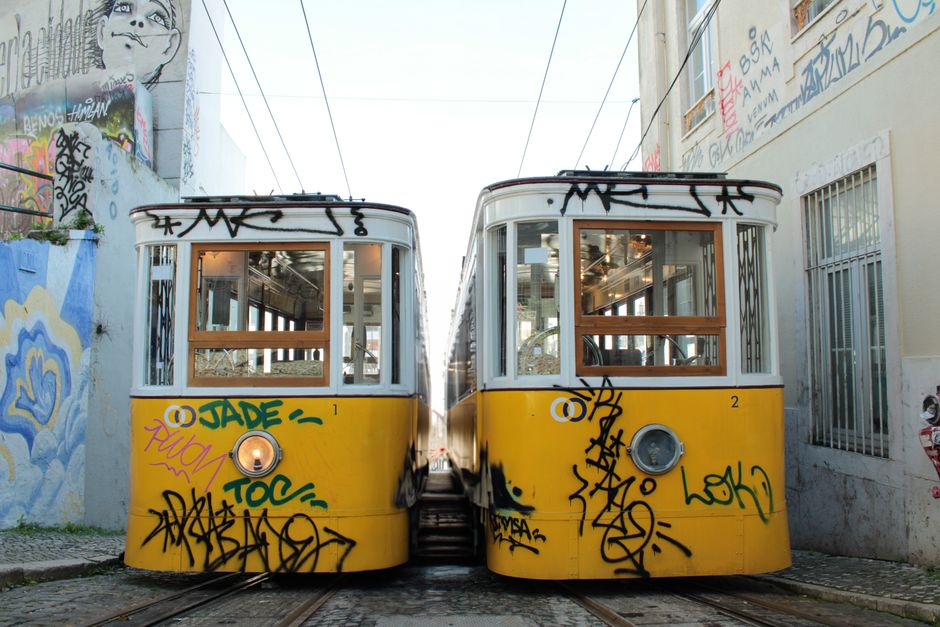
Lisbon rewards a simple plan: mix viewpoints with neighbourhood wandering, and cluster your sightseeing so you’re not crossing the city every hour. Below is a timed, self-guided 48-hour route that works on most days—and includes contingency swaps for rain, wind, or summer heat.
Before you start: a sensible pace
Aim for 2–3 “anchor” sights per day, then fill the rest with streets, plazas and meals. Lisbon’s hills are real, so you’ll save energy by:
- Doing the steep bits early or late, when the light (and crowds) are kinder
- Using trams/metro for the connections, not for every leg
- Keeping one indoor option on standby each day
48 Hours in Lisbon: Your Self-Guided Day 1
For day 1, you’ll work from the riverfront into Baixa and Chiado, then climb into Alfama for castles and viewpoints.
10:00–13:00 Baixa to Chiado (flat-ish start)
Start near the water so your morning isn’t immediately a climb.
Timed checkpoints (morning):
- 10:00 — Praça do Comércio: walk the riverfront, then double back into Baixa.
- 11:00 — Elevador de Santa Justa: this is the quick “lift” between lower and upper streets.
- 12:15 — Convento do Carmo: a calm stop that breaks up the walking.
- 12:45 — Chiado: wander lanes, small viewpoints, and find your first proper café break.
How to keep it efficient: if you’re travelling with luggage or arriving mid-morning, this is where you can buy a coffee and reset before committing to the hills.
13:00–18:30 Alfama loop (tram up, then on foot)
Afternoons are when Lisbon’s character shows—narrow streets, tiled façades, and sudden outlooks.
Timed checkpoints (afternoon):
- 13:30 — Tram 28: ride it for the experience, not as a commuter tool. For the smoothest ride, go earlier rather than at peak sightseeing times.
- 14:15 — Alfama: get lost on purpose. Stop at small squares and side streets instead of rushing to the “top 3”.
- 15:15 — Sé de Lisboa: a weighty historic pause in the middle of the neighbourhood.
- 16:15 — Castelo de São Jorge: plan for the climb and leave time to move slowly once you reach the grounds.
- 17:45 — Miradouro das Portas do Sol: catch the classic views while you’re still in the area.
- 18:30 — Miradouro da Senhora do Monte: if energy holds, this is a great second viewpoint—often more spacious than the postcard stops.
Tip: If you feel rushed between stops, you can shorten this day by skipping one viewpoint. Castelo plus one miradouro usually delivers enough “wow” without draining your legs.
19:00–22:00 Dinner strategy (avoid the trap streets)
For dinner, you’ll get better value by moving a few streets back from the busiest viewpoint corridors.
Pick one of these approaches:
- Alfama by instinct: follow where locals are queuing, then keep walking until menus look similar but crowds thin.
- Chiado at night: if you want something livelier and easier to navigate, head back down toward the centre after sunset.
48 Hours in Lisbon: Your Self-Guided Day 2
Day 2 concentrates on Belém for history and waterfront time, then finishes with modern Lisbon (LX Factory and food halls) plus a late option.
09:00–13:30 Belém highlights (early start pays off)
Belém is popular, so starting earlier helps you spend more time inside and less time waiting.
Timed checkpoints (morning to early afternoon):
- 09:00 — Torre de Belém: begin with the river and the iconic skyline.
- 10:15 — Mosteiro dos Jerónimos: pair it with Torre so you don’t waste time crossing back and forth.
- 11:45 — Padrão dos Descobrimentos: a short walk that adds context to the area.
- 12:30 — Pastéis de Belém: plan for a queue. If the line is long, you can still enjoy the famous treat by building it into your timeline rather than treating it like a quick stop.
13:30–18:30 Waterfront to modern Lisbon
After Belém, you’ll transition from monuments to contemporary spaces.
Timed checkpoints (afternoon):
- 14:15 — MAAT Museum: good for a slower, design-focused break.
- 15:30 — Cais de Belém: reset with a waterfront walk before crowds swell.
- 17:00 — LX Factory: wander markets, galleries and street art in a compact area.
- 18:00 — Time Out Market Lisboa: choose a few small plates and keep it flexible—crowds are part of the experience.
18:30–21:30 Final option: add an attraction you can “drop into”
If you still have energy (and you’re not cooked from the day), finish with one of Lisbon’s big-ticket indoor anchors.
- Oceanário de Lisboa: a strong choice if weather is unsettled or you want something that doesn’t rely on the outdoors.
Contingency rule: If you’ve had a big Day 1 climb, put Oceanário on the end of Day 2. It’s a calmer way to close the trip.
Getting Around: Trams, Metro, and Footpaths
Lisbon’s public transport is useful, but the trick is picking the right mode for each leg so you’re not standing still in queues.
Metro: your default for point-to-point moves
The metro is typically the fastest way to get between central areas and Belém-style destinations without the hill fatigue.
Use metro when:
- You’re doing longer connections between neighbourhoods
- You’re travelling during busy sightseeing hours
- You want a predictable route when weather makes walking unpleasant
Trams: pick your ride, don’t try to ride them all
Tram lines are part of Lisbon’s identity, but they can be slow with crowds.
Use trams when:
- You want a scenic, “slow travel” moment (especially around Tram 28)
- You’re staying close enough that you don’t need multiple tram transfers
Footpaths: the real sightseeing tool
You’ll see Lisbon best when you walk between stops—especially in Baixa, Chiado and Alfama.
Walking helps most when:
- You’re moving between close landmarks (like Convento do Carmo to Chiado)
- You’re looking for side streets and viewpoints rather than only ticking buildings
Weather-Proof Swaps for Rain or Heat
Lisbon weather can turn quickly. Rather than abandoning your plan, keep the structure and swap the outdoor pieces.
If it’s raining: trade miradouros for museums
Keep your mornings, but replace viewpoint time with indoor culture.
Swap suggestions (rain version):
- Miradouro da Senhora do Monte → Museu Nacional do Azulejo (tiles are an ideal wet-day subject)
- Miradouro das Portas do Sol → Igreja de São Roque (a sheltered historic interior)
- Cais de Belém walk → Centro Cultural de Belém (an easier transition from sightseeing to shelter)
If it’s hot: move climbs to early/late, museums mid-day
Summer heat can make the “climb to viewpoints” part feel exhausting.
Heat-proof adjustment:
- Do the steepest stops first (Castelo or Tram 28 timing) or last (sunset-style viewpoints)
- Keep mid-day for museums and indoor breaks like MAAT Museum
If it’s windy or gusty: reduce time on exposed lookouts
Some miradouros can feel unpleasant if wind picks up.
Practical fix:
- Keep one viewpoint, but shorten the stop and shift the rest of the time to nearby streets in Alfama
- If wind is heavy, prioritize indoor options in your swap plan above
Book Ahead and Avoid the Tourist Traps
You don’t need to over-plan, but a few bookings and common-sense choices save you both time and stress.
Book these “time-sensitive” stops when possible
Even if you can usually enter, timed slots can make the day smoother on peak dates.
Prioritise planning for:
- Castelo de São Jorge (popular, and queues can eat your day)
- Mosteiro dos Jerónimos (another high-demand anchor)
- Elevador de Santa Justa (if you’re going at peak times)
If timed entry isn’t available, the fallback is simple: arrive earlier than the main tour waves.
Avoid the most common Lisbon money and time traps
Lisbon is excellent value compared with some European capitals, but tourist behaviour still drives inflated prices in the wrong pockets.
Watch out for:
- Menus in the most crowded miradouro approaches where the “view tax” is built in
- Trying to do every major stop in one concentrated block (you’ll spend more time waiting and commuting)
- Over-relying on Tram 28 as your only transport—build tram time into the route, then use metro/foot to finish the job
Final Steps: Lock in Your Plan
Print or screenshot your two-day checklist (times plus the contingency swaps), then travel with one rule: don’t add extra “must-sees” when you’re tired. If you’re visiting in peak season, book the two big historical anchors early; otherwise, start mornings earlier and keep one indoor swap ready for rain or heat.
For your final prep, decide your accommodation base by how you’ll travel to Baixa and Belém—central neighbourhoods reduce transit time and keep your 48 hours feeling relaxed.