

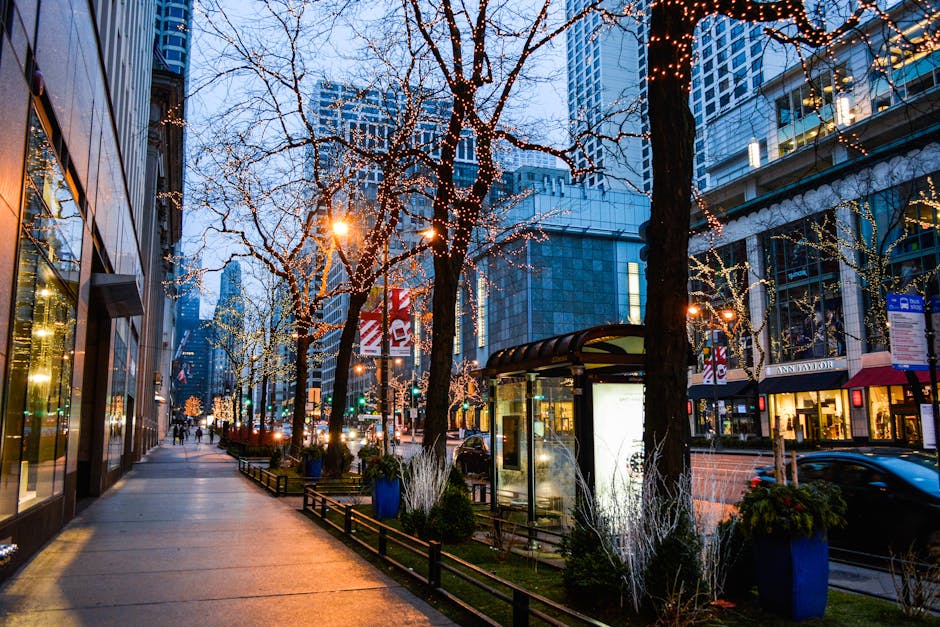
Hyatt Centric Chicago Magnificent Mile is the kind of hotel you book when you want Chicago’s highlights within an easy walk, without spending your trip on complicated transfers. The trade-off is that North Michigan Avenue is busy—so the details that matter most are how the rooms are laid out and which sides you’re likely to hear.
Below is what you can reasonably expect, with an emphasis on room flow, noise, and getting around using the closest CTA stops and walkable routes.
Where It Sits on the Magnificent Mile

North Michigan Avenue location
This hotel is positioned along the Magnificent Mile area, close to the main drag of North Michigan Avenue. That matters because it puts you in the middle of the city’s retail, dining, and sightseeing corridor, rather than tucked away in a quieter neighborhood.
In practice, you’ll usually spend less time planning and more time moving: many landmarks, theatres, and shopping zones are reachable on foot, and bus routes along Michigan Avenue make it simple to hop across nearby districts.
What the neighbourhood feels like
The surrounding streets are lively at most hours. During the day you’ll notice steady pedestrian traffic and deliveries connected to major stores and hotels. After dark, it’s a mix of restaurant crowds and general city movement.
That energy can be a plus if you’re here to browse, eat out, and walk around. If you’re a light sleeper, you’ll want to be deliberate about room placement.
Room Layout: What to Expect

Space that suits a city break
Hyatt Centric hotels generally lean toward a contemporary, efficient layout rather than sprawling floorplans. Expect your room to feel designed for short stays: a comfortable bed area, a work surface for planning the next day, and a bathroom setup that’s meant to be functional rather than oversized.
If you’re travelling as a pair, the key is usability: can both people move around the bed area without constant squeezing? Many city rooms in this part of Chicago are compact, so the best layouts are the ones with good clearance around the seating/work zone.
When booking, it’s worth checking:
- Bed type options (king vs twin/queen) and how that changes walkway space
- Whether the room includes a separate seating area or mainly a desk-and-chair setup
- Whether the bathroom is more shower-focused or has a bathtub (this can vary by room type)
Requests that improve your room experience
Even without major layout differences between categories, small factors can change your stay more than you might expect.
You can usually reduce day-to-day friction by requesting:
- A higher floor if you’re sensitive to street sound
- A room away from elevator shafts or housekeeping corridors
- An interior-facing option (when available) if your priority is quiet
If you’re travelling with specific needs—extra luggage space, mobility access, or a room that’s easier to navigate—use the booking notes to flag it early, since these properties can assign rooms differently than you’d expect.
Noise Levels and Light: How Quiet Are the Rooms?
Street and traffic sound on Michigan Avenue
Because the hotel sits in a prime, high-traffic corridor, noise is the main variable to think about. Street noise typically comes from:
- Vehicle traffic and braking on busy lanes
- Pedestrian flow outside shops and restaurants
- Late-night activity spilling out from nearby venues
How noticeable it is depends heavily on which side your room faces and where your room sits in the building. Higher floors often help, and interior-facing rooms usually reduce the direct sound of passing traffic.
Sleep tips for different room positions
If you want your nights to feel calmer, plan around the most likely noise sources.
Practical ways to improve sleep quality:
- Choose a higher floor if you expect to sleep with the window open
- Bring earplugs if you’re in “light sleeper” territory
- Confirm the room location during booking if you can (some room categories may correlate with quieter positioning)
Also consider that Chicago weather can change how much noise you hear. On warm nights, open windows can bring in more street sound; in colder months, closed windows usually do a better job.
Getting Around: Closest L-Train and Walking Routes
CTA stops for fast cross-city trips
You’ll have an easier time exploring Chicago if you combine short walks with the CTA L system. From the Magnificent Mile area, the most convenient CTA option is generally the “Chicago” station along the Red/Brown/Purple corridor (you’ll find it’s one of the simplest L-train stops to reach from Michigan Avenue).
If you prefer a larger interchange for more lines, “Grand” station is another common go-to nearby.
A realistic approach is:
- Walk to the closest L stop for longer jumps across town
- Use buses along Michigan Avenue when you’re staying within the central corridor
Always check the day’s service pattern when planning—Chicago is big enough that one minor disruption can change the best route.
Walkable landmarks and quick rides
For many of the “first-timer” sights, the location is the whole point. You can often structure your day so that you walk between nearby highlights and only take transit for the farthest points.
Nearby on foot (good starting points from this area):
- Water Tower Place
- John Hancock Center (and its observation option)
- Chicago Riverwalk
- Magnificent Mile shopping stretch
- Chicago theatre district venues around State Street
- Rush Street in River North
- Oak Street Beach
- Millennium Park
If you plan to keep evenings efficient, it helps to cluster activities by direction: River North for nightlife, the Loop for major landmarks, and the Lakeshore for parks and views.
Who This Hotel Works For (and Who Should Skip It)
Best for shopping-focused and walkable itineraries
This property fits travellers who value location over quiet isolation. If your trip includes:
- shopping along the Magnificent Mile
- evening plans around River North and nearby areas
- a hotel that keeps you close to multiple districts without long commutes
…then the setting is likely to feel convenient every day.
Consider other options if you need a very quiet base
If you’re booking for total peace and quiet—especially for early mornings—you may find this corridor more lively than you’d prefer. The hotel’s strength (its central access) can also be its challenge.
You’ll probably enjoy it more if you’re comfortable managing noise with one or two simple choices: higher floors, interior-facing rooms when available, and earplugs if you’re a light sleeper.
If your priorities are spa-and-resort calm or a neighbourhood that shuts down early, you may want to compare with hotels farther from the Michigan Avenue traffic spine.
Next Steps
When you book, double-check the room type and—if noise sensitivity matters—ask for a higher floor or a quieter side of the building. Then plan your days as “walk first, transit second” so you can fully use the Magnificent Mile position.
If you tell me your travel dates and whether you’re more concerned about quiet nights or fastest transit, you can narrow down the best room approach to request.