


Location and Beach Walkability
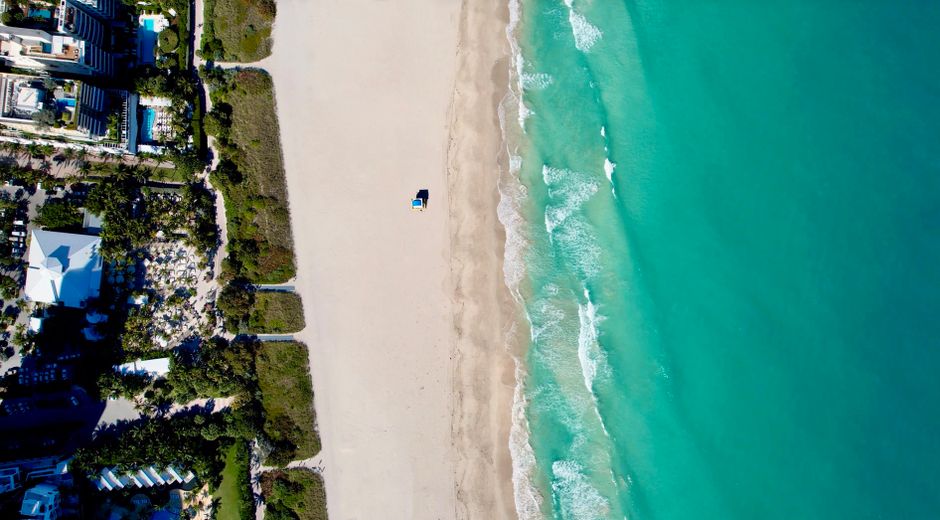
What “walkable” feels like here
From this part of Miami Beach, the beach is generally reachable on foot, but you still need to treat it like a proper outing: crossing traffic, carrying bags (towels, sunscreen, water), and timing around heat and afternoon crowds. Expect the walk to vary depending on which beach entrance you use, and whether you’re heading toward the busier South Beach end or the calmer stretches closer to your hotel.
If you’re travelling with kids who need frequent breaks, plan for:
- one “quick” trip to the sand, rather than multiple back-and-forth errands
- a stroller-friendly route that avoids the heaviest curb crossings
- a shade plan (umbrellas or a shaded towel spot) before you commit to a longer stay
Which part of the sand you’ll reach most easily
Because you’re positioned in the Mid–Miami Beach zone, you can choose how busy you want your beach day to be. A practical way to think about it:
- South Beach (lively, crowded, more street noise): best for people-watching and the classic Miami Beach vibe, but it can feel hectic with children.
- Mid-Beach (more balanced for families): usually easier to manage day-to-day, with plenty of nearby hotel options and a steadier footfall.
- North Beach (often calmer): a good pick if you want the sand and fewer crowds, even if the walk feels a little longer.
Beach access realities for families
Even when the sand is walkable, Miami Beach is a place where beach logistics matter:
- Sunscreen and water: don’t rely on last-minute purchases every time; stock up early.
- Towels and gear: you’ll feel the carry weight on the way there—pack smart or rent what you’ll use.
- Wind and afternoon heat: late morning to mid-afternoon is when crowds swell and the walk can feel longer.
Tip: when you book, verify the exact closest beach access point from the hotel side. “Near the beach” can still mean a different entrance depending on where you’re coming out of the property.
Family-Friendly Logistics Day to Day

How to plan the in-and-out rhythm
For families, the smoothest routine usually looks like this:
- morning beach window: get down early while the area is less congested
- midday reset: return for showers, naps, and cooling down
- late afternoon stroll: a second shorter beach or promenade walk
Because Miami Beach days can be intense, you’ll appreciate having a home base that makes returning easy—especially if someone in the group needs a break.
Noise, crowds, and rest breaks
Miami Beach can be lively, and hotel locations on Collins Avenue typically mean you’re close to activity. That doesn’t automatically make the stay uncomfortable, but it does affect family logistics:
- evenings can bring more street noise than you’d expect inland
- weekends can feel busier in the beach corridors
- if you’re travelling with a light sleeper, booking higher floors (if available) and requesting quieter-room placement can help—confirm this during booking
What families should double-check when booking
You’ll want to confirm the specifics that affect day-to-day comfort, rather than assuming they’ll be the same as every other “family-friendly” hotel:
- bed setup: how the room bedding works for kids (especially if you need separation)
- elevator access and room placement: helpful when you’re carrying gear or using a stroller
- housekeeping and restocking: whether you can rely on consistent replenishment for essentials
Parking and Getting Around Without Stress
Miami Beach is where logistics can make or break a family trip. Even if the hotel is convenient, parking and movement around the beachfront can add friction—especially if you treat every trip as “easy parking and go.”
On-site parking and nearby alternatives
If you’re driving, plan for pay-to-park realities and limited convenience. Before you arrive, check whether the hotel offers parking on-site (or has arrangements you can use) and what the day-to-day cost shape looks like.
When families are deciding between options, these points matter:
- on-site parking can be simplest if availability is predictable
- nearby garages can still work if you’re comfortable with a short walk back to the hotel
- street parking is often competitive and can be time-limited or regulated
Because rules and pricing can change, treat parking as something to confirm at booking rather than something you can “figure out on arrival.”
Rideshare vs. walking vs. transit
With kids, you’re usually optimizing for less carrying and fewer crossings.
- Rideshare: best for errands and beach gear runs when you don’t want to wrestle items back and forth. Expect traffic around peak beach hours.
- Walking: works well for the short hops along Collins Avenue and when the whole group is staying together.
- Public transit: can be good for budget control, but it may be less convenient if you’re managing stroller logistics and transfers.
A simple strategy: use rideshare for “heavy” moments (groceries, beach gear, check-in logistics) and walking for short, routine movement.
Timing makes the biggest difference
If you want the trip to feel easy, schedule around Miami Beach traffic patterns:
- arrive earlier for check-in if possible (so you’re not adding parking stress later)
- avoid driving during the most crowded beach windows unless you must
- plan errands outside peak hours when you can
What to Do Nearby With Kids
Staying near Collins Avenue gives you the advantage of constant options—beach, promenades, and everyday stops—without having to fight your way across town. It also helps families because you can flex the schedule when energy dips.
Beachfront strolling and “low-effort” outings
When kids are tired, the best activities are the ones that don’t require long travel days. Near this part of Miami Beach, that often looks like:
- short sand-to-promenade walks (great for burning off energy)
- snack and hydration breaks at the first convenient spot you trust
- a quick return to the hotel when someone needs a reset
This is also where walkability matters: you can shorten the outing instead of committing to a full “big day.”
Dinners, convenience stops, and family pacing
Miami Beach is good for flexible family meals because you’re never far from somewhere to grab food and basic supplies. The practical approach is:
- keep dinner plans close by when children are still in their early-evening rhythm
- build one “backup option” into your plan if crowds are heavy
- keep sunscreen and water part of your daily setup, not an afterthought
If you’re travelling with a stroller, the sidewalk crowding can spike around the busiest beach stretches—plan to adjust your walking pace rather than forcing a strict itinerary.
Next Steps Before You Book
To make sure Hyatt Place Miami Beach fits your family, confirm the details that affect beach-day logistics: the closest beach access route from the property, parking arrangements (if you’re driving), and the room setup that works for your kids. If you’re sensitive to noise, ask about quieter room options during booking. Once you have those answers, you can plan a simple day-by-day rhythm around the morning sand and a mid-afternoon reset.