

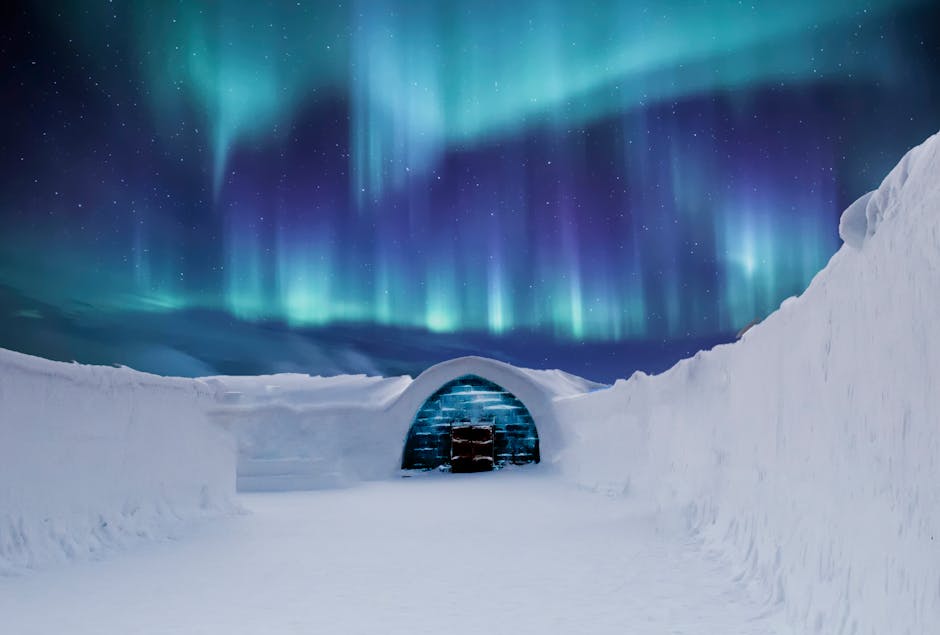
Where Kakslauttanen Is, and What You’re Booking

You’re booking a lodge-and-igloo property rather than a city hotel. That means your “day” revolves around the main resort area (for check-in, reception help, and typically meals) plus your private igloo as your base for quiet time and sky watching.
What the neighbourhood feels like
The resort is in remote Lapland, surrounded by forest and low-slung infrastructure. That usually translates to:
- Fewer walkable restaurants or shops outside the resort
- A reliance on the resort and/or pre-booked operators for activities
- Short windows of usable daylight in winter, and long evenings (or near-constant light) in summer
Who the resort suits best
Kakslauttanen is aimed at travellers who want a distinctive “stay in the landscape” experience. It’s a good fit if you:
- Want privacy and a viewing-focused room rather than shared observation areas
- Prefer scheduled activities (or winter guiding) over self-directed planning
- Are comfortable travelling to a remote area with weather-driven changes
Day-to-Day Life in the Glass Igloo (Comfort in Any Season)

Heating and temperature control
Glass walls can look delicate, but these igloos are engineered for Arctic conditions. In practice, you should expect:
- Heating that keeps the living space usable even when it’s bitter outside
- Warm airflow and insulated construction designed to reduce drafts and heat loss
Even with strong heating, the key comfort point is what happens near the glass. It’s common to feel colder at the window edge than in the middle of the room, especially in deep winter. Plan your “viewing routine” so you can move between a cosy seating area and the window without feeling chilled.
Sleeping and day rhythm
The daily routine typically looks like this:
- Late afternoon: settle in, adjust layers, and get set for evening sky viewing
- Evening: keep the window unobstructed, and take advantage of darker hours in winter
- Morning: a slower start—especially in winter darkness—then a return to the igloo between activities
For year-round travellers, the biggest difference is light:
- In winter, you’ll naturally have darker periods suited to aurora watching.
- In summer, nights can be bright, which changes expectations. You’ll still get sky views, but aurora chances are reduced simply because it’s harder to see faint patterns in daylight.
How “quiet time” actually works
A glass igloo stay is about controlled calm. If you’re travelling with family or friends, expect the igloo to feel intimate rather than expansive—so it helps to agree early on shared “viewing moments” and indoor downtime. In winter, that downtime matters because travel and outdoor activities can be weather-dependent.
Bathroom and Inside Set-Up (What to Expect)
Bathrooms in glass igloos tend to be compact and private, which is exactly what you want when it’s cold outside. Rather than relying on shared facilities, you’re usually meant to handle evening routines inside the unit.
Private bathroom basics
When booking, check the exact layout for your igloo type, but commonly you should expect a private bathroom with:
- Toilet
- Shower or shower area
- Sink and storage for toiletries
Because space can be tight, towel and toiletry organisation matters more than in a standard hotel room. A practical approach is to pack toiletries in a way that’s easy to grab quickly, and to keep what you need within reach without opening cabinets repeatedly in the cold.
Shower logistics at night and in winter
A shower works the same way in principle any time you stay indoors—just with colder outdoor air beyond the bathroom door. What changes:
- You’ll want to plan showers at times that don’t cut too close to outdoor viewing
- You may notice more temperature swings if the bathroom door is opened frequently
If you’re sensitive to cold, bring warm socks and a comfortable robe or thick house layer so getting from bathroom to sleeping area is quick and not uncomfortable.
Practical comfort details
For day-to-day comfort, focus on small usability things:
- How the heating behaves when you leave curtains or blinds open for viewing
- Whether the window area feels colder than the rest of the igloo
- How easy it is to keep your “cold-weather kit” organised without blocking doorways
When in doubt, the booking notes (or the property team when you confirm your unit) are the best place to verify bathroom specifics and any layout differences between igloo categories.
Transfers and Getting Around (Year-Round Logistics)
Transfers are where year-round travellers feel the biggest difference. The destination doesn’t change, but daylight, driving comfort, and timing do.
Arrival: the usual route through Ivalo
Ivalo Airport is typically the closest major airport option for Lapland stays like this. Most guests arrive by flying into Ivalo and then completing the last leg by resort-arranged transfer or taxi.
From there, the journey is usually around an hour or so depending on the exact resort access route and conditions. In winter, allow extra buffer time for weather and surface conditions; in summer, road travel is generally easier, but schedules can still shift with activity bookings.
Check-in and orientation once you arrive
After arrival, expect the resort to guide you through:
- How to reach your igloo (and what to do if it’s dark)
- Where common areas are located
- How activity pickups work, including timing and meeting points
If you’re travelling outside peak winter weeks, it’s especially worth confirming pickup procedures in advance so you’re not relying on guesswork.
Moving between your igloo and activities
A key year-round point: you rarely “wander” far. Instead, you move between your igloo and:
- The main resort area for meals or reception support
- Activity meeting points (often on a scheduled basis)
In winter, walking outside is typically only manageable when you’re dressed for it, and paths can be icy. In summer, it may be more comfortable to move short distances, but insect protection and uneven ground still come into play.
Around the Resort: What You Can Plan Beyond the Igloo
Kakslauttanen works best when you treat the igloo as your base, not your entire itinerary. Combine quiet sky time with a few guided experiences—especially if you want to avoid overly ambitious self-planning in remote Lapland.
Nearby places that shape the trip
Here are the most common “anchors” travellers plan around when staying near Saariselkä:
- Saariselkä village area, for basic services and local atmosphere
- Urho Kekkonen National Park, for large-scale Lapland landscapes and nature excursions
- Ivalo Airport, the practical arrival and departure hub
- Reindeer-focused farms and local Sámi experiences offered through regional operators
How seasons change activity choices
Day-to-day, the igloo experience stays similar, but activities shift:
- Winter leans toward snow-based outings (and the sky stays dark enough for meaningful aurora attempts).
- Summer and shoulder seasons focus more on light, hiking-friendly routes, and wildlife/nature experiences.
If you’re travelling year-round, don’t assume every activity runs the same way in every month. The resort and operators typically adjust schedules based on conditions and daylight.
Final Thoughts: What to Do Next
If you’re planning a year-round stay, focus on two things when booking: the heating and layout specifics of your exact igloo type, and how transfers and activity pickups are arranged from Ivalo. Once those logistics are clear, build your itinerary around the igloo’s biggest strength—easy, private sky time—then add a small number of guided experiences to match the season you’re travelling in.