

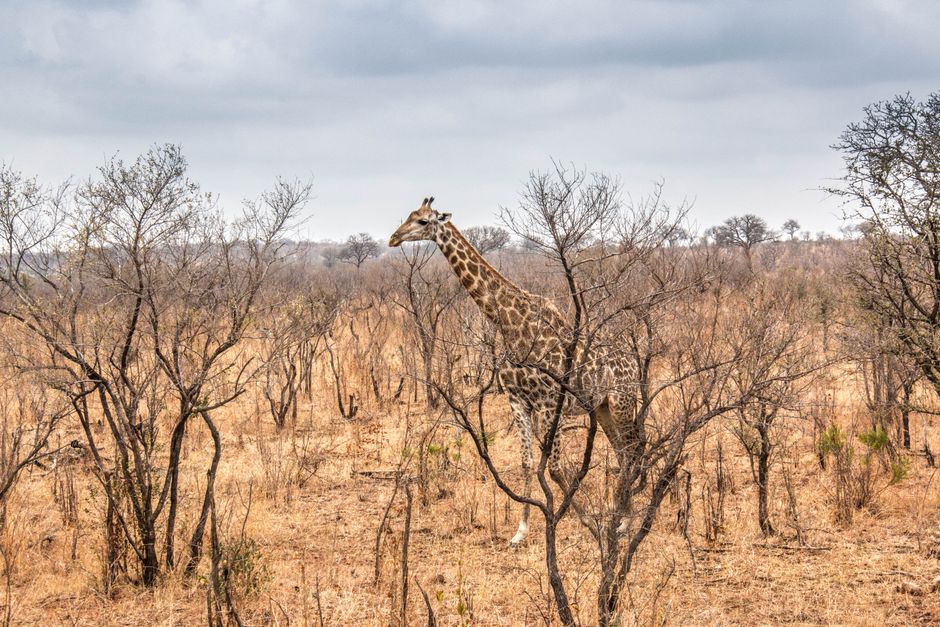
Planning a Kruger trip without a tour is very doable, as long as you build the day around the park’s rhythm: early morning drives, a quieter midday, then late-afternoon and sunset for the best odds. From Johannesburg, the biggest decision is choosing a gate that matches the part of Kruger you want to experience—because the park is large and drive times inside add up.
Before You Leave Johannesburg: What to Book for a Self-Drive Kruger
Self-guided doesn’t mean “no planning”. You’ll usually need to have key bookings in place before you enter:
1) Accommodation inside (or just outside) the park
If you want to stay in the safari camps/rest camps, book those nights first. Staying inside Kruger usually gives you more flexibility for dawn and dusk drives, when animals are most active.
If your schedule is tight, many travellers choose a “one night outside the park” buffer to avoid a very early start—then move into Kruger for the viewing days.
2) Entrance access tied to your stay
Kruger entry is managed through the SANParks system, and access is typically linked to your planned itinerary (especially if you’re staying overnight inside the park). You’ll want to confirm the access method for your specific plan—because the exact paperwork/permits can differ depending on whether you’re entering for day drives, staying inside, or doing both.
3) Vehicle and readiness for long safari drives
For a self-drive plan, you’re counting on your car. Even if you’re not required to have a specific vehicle type for every route, a reliable car is non-negotiable. If you’re planning gravel-heavy routes, tyres, brakes, and enough ground clearance can make a big difference to comfort and safety.
A practical approach is to prepare for:
- Tanking up before you go deep into the park’s more remote stretches
- Offline navigation or downloaded maps (spotty reception is common)
- Keeping the plan flexible—wildlife is unpredictable
Which Gates to Use From Johannesburg: Picking by Drive Time and Region
The drive time to Kruger is only half the story. You also want the gate to put you close to the wildlife “engine room” you’re aiming for—Central Kruger for classic plains and big sightings, or the south for riverfront wildlife concentration.
Gate choice by region and how long it takes
Drive times from Johannesburg vary with traffic, weather, and where you stop, but these ranges are a useful guide:
- Orpen Gate (best for Central Kruger): about 5–7 hours to reach the gate area
- Phabeni Gate (best for Central and connecting routes): about 4.5–6.5 hours
- Paul Kruger Gate (best for the northern/central side): about 5.5–8 hours
- Malelane Gate / Crocodile Bridge area (South access) (best for the south and river-adjacent game): about 6–8.5 hours
These are “expect” ranges, not guarantees. If you’re entering on the same day as a long Johannesburg drive, leaving early is the difference between a smooth first safari day and a rushed one.
Three self-drive routes that work well from Johannesburg
You’ll get a much better experience if you build a route around where you want to spend your time, rather than trying to cross the whole park in a few days.
- Central Plains Route (Orpen → Satara/Olifants area): Focus on classic open-land sightings and easy day-to-day logistics
- Southern River Route (Malelane or Crocodile Bridge → Skukuza/Lower Sabie area): Aim for riverfront concentrations and a strong dusk rhythm
- Mixed Route (Phabeni/Paul Kruger → Central sections, then push south if time allows): Best for travellers who want a “greatest hits” feel without trying to do everything
Pick one route as the backbone. If you have extra time, add one region; if you don’t, keep it simple and avoid long backtracking drives.
Gate timing: what to plan for on arrival
Kruger gate hours vary by season, and the exact opening/closing times are published by SANParks and can change. Instead of banking on a fixed clock, plan around this rule:
- Aim to arrive early enough that you can do at least one proper viewing loop the day you enter.
- If you’re arriving late, consider stopping just outside the park and entering fresh the next morning.
A Day-by-Day Wildlife Viewing Plan (Self-Guided Rhythm)
A successful self-guided Kruger itinerary is less about “where to be at 10:00” and more about protecting your best driving windows. Animals don’t follow schedules—your goal is to be on the right roads when visibility and behaviour peak.
Your core time blocks: dawn, mid-day, and dusk
Use this rhythm as a template and adjust to sunrise/sunset times:
- First light (about 2–3 hours after sunrise): often the most active period for feeding and movement
- Midday (roughly late morning through mid-afternoon): slower sightings; ideal for breaks, quieter roads, and repositioning
- Late afternoon into sunset (about 2–3 hours before dusk): one of the best stretches for predators and unpredictable surprises
If you’re staying inside Kruger, your advantage is simple: you can start earlier, rest mid-day without wasting drive time, and return before it gets dark.
Example 4-night / 5-day structure (build around your chosen route)
Here’s a practical way to map your days once you know your entrance and route backbone.
Day 1: Enter + first viewing loop
- After gate procedures, do a shorter “get your bearings” drive toward your first base camp area.
- Keep expectations realistic. The goal is locating good roads, not chasing every sighting.
Day 2: Full morning + strategic evening
- Spend your strongest time block (dawn) on routes connected to your base area.
- Midday: rest and reset.
- Sunset: return to the best roads from your earlier loop.
Day 3: Move within your region
- Use part of the morning to reposition toward another area on your route.
- Focus on roads that you haven’t covered yet; avoid repeating the same long loop every day.
- Dusk: prioritise likely animal corridors (your exact roads depend on where you are based).
Day 4: The “big push” day
- If you’re doing a mixed route, this is usually when travellers consider moving to the next region—if drive times still leave you with a dusk window.
- Otherwise, stay local and repeat the highest-value viewing loop, but with a different strategy (new turns, different roads, longer stops).
Day 5: Exit day with one last good window
- If timing allows, do a short morning drive before leaving.
- If not, leave sooner and accept that the last day is about smooth driving rather than wildlife marathons.
How to decide between “stay put” and “move camp”
For self-guided travellers, camp changes should serve the viewing plan—not the other way around.
Stay based longer if:
- You’re aiming for maximum dawn/dusk time
- Roads are new to you and you’re still learning the park flow
Move if:
- You want access to different road networks without wasting midday hours
- Your itinerary includes two distinct regions (for example, Central then South)
Safety and Logistics for a No-Tour Plan Inside Kruger
You’re driving for game viewing, so the safety rules are as important as the itinerary.
Driving rules and animal-safety basics
Kruger’s roads are shared with wildlife. Always assume the unexpected:
- Drive slowly and expect animals on or near the road
- Don’t block sightings—if multiple vehicles stop, follow local guidance and keep space
- Use lights appropriately, and remember gravel can reduce visibility
- Keep windows up in vehicles and avoid sudden movements that draw attention
Fuel, navigation, and “what if” planning
Reception and availability can be inconsistent across stretches. Plan like you’re always heading deeper than you think:
- Fuel up before your longest driving day segments
- Keep enough cash for practical purchases (some places are cash-reliant)
- Download offline maps and save key waypoints
- Tell someone your high-level plan if you’re travelling solo or as a small group
Breakdown contingency matters. If a tyre issue or mechanical problem hits far from facilities, it can change your entire day. Regularly check tyre pressure and keep basic spares and tools where you can reach them easily.
Night driving and route daylight
This is the most common self-guided mistake: underestimating how fast the light disappears and how long repositioning takes.
- Plan to be off the road before darkness
- Build in buffers for slow wildlife moments
- If you’re unsure a road is suitable for your vehicle, don’t “test it” late in the day
What to Do Next
Choose your entrance gate first, then build your route around the region you want to experience most (Central plains vs Southern river). Once the gate and route are clear, book your accommodation nights inside Kruger and plan your day around dawn, midday rest, and dusk driving windows.
If you want, share your travel month and how many nights you have, and you can map a tighter gate-to-day schedule that fits your pace.