

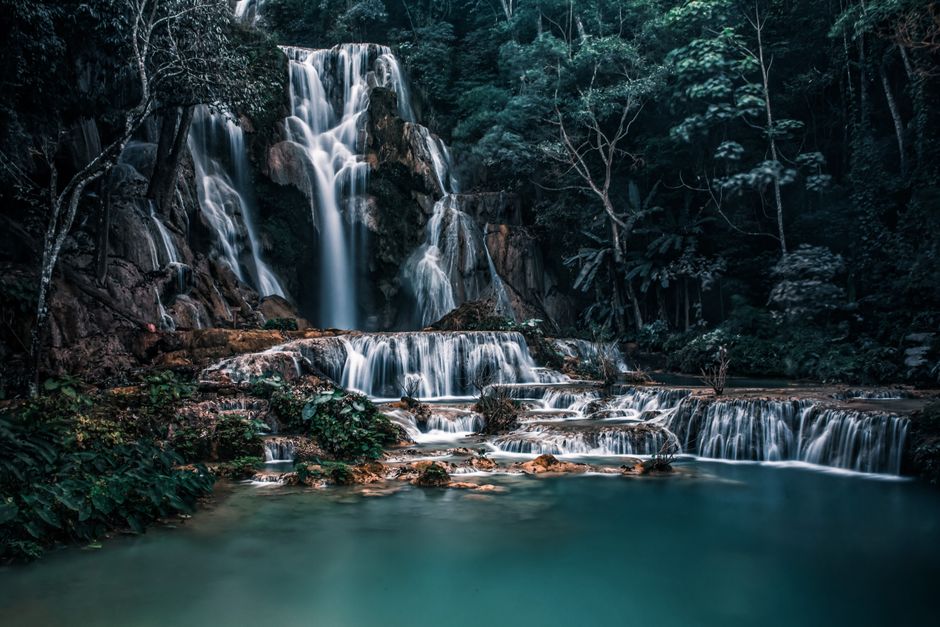
Kuang Si Waterfalls (often written Kuang Si Falls) sit about 30–40 minutes from Luang Prabang. Going self-guided is straightforward—there are clear signs and marked paths—but it’s the timing that makes the biggest difference. If you arrive when entry queues are forming, you’ll spend more time in line than in the falls.
Below is a practical plan you can follow from the city, including transport choices, where tickets are bought, realistic buffers, and alternatives when weather or crowds slow things down.
Getting to Kuang Si From Luang Prabang
Shared tuk-tuk or songthaew (the simplest local option)
From Luang Prabang, the most common approach is a shared tuk-tuk or a shared open-air pickup (often described as a songthaew). It’s usually the quickest way to get to the park without arranging a private driver.
What to do:
- Ask your accommodation or a nearby local desk to arrange a shared ride to the Kuang Si entrance.
- If you’re travelling in peak season, expect seats to fill quickly—arrive a little earlier than you think you need.
Private taxi/driver (best if you want control over timing)
A private car lets you aim for an earlier arrival, which is the easiest way to reduce queue time. It also helps if you’re adjusting your day on the fly (for example, heading back to town early if rain starts).
How it works in practice:
- Confirm the pickup point in Luang Prabang and agree a return time before you leave.
- If you want flexibility, arrange a “call for return” option so you’re not locked into a fixed schedule.
Motorbike (only if you’re confident on roads and in wet conditions)
Some travellers rent a motorbike to go more independently. This can work well when roads are dry and traffic is light, but it becomes less comfortable in heavy rain or if you’re not experienced.
If you do this:
- Wear proper shoes with grip and be ready for slippery patches near rural sections.
- Build extra driving time on rainy days; getting back late can mean you miss the calmer part of the visit.
Tickets and Timing: Avoiding Entry Lines
Where tickets are bought
Tickets are typically purchased at the park entrance gate (the main ticket booths just inside the entry area). You’ll usually see attendants directing visitors to the correct line.
For Kuang Si, it’s also worth checking on the spot whether areas like the bear sanctuary have separate ticketing or timed entry on that day. If something is ticketed separately, you’ll be guided to the relevant booth before you walk further in.
Practical tip: keep some cash on hand. Even when card payments are possible, lines move faster with small notes.
Build a buffer for entry, not just travel time
A common mistake is planning only the drive. In reality, you need time for:
- parking/vehicle drop-off
- ticket purchase
- entry checks
- the first walk from the gate to the main viewpoints
A good rule for a self-guided day: plan at least 45–60 minutes total “buffer time” between arriving in the gate area and being at the first waterfall viewpoint, even if the road is quick.
If you’re trying to beat crowds, aim to arrive before the midday swell. Queues aren’t always dramatic, but they are often noticeable later in the day.
Choose a realistic entry strategy
If you want a calmer walk through the falls:
- Arrive early enough that you can spend your first hour moving through the main viewpoints before the busiest period.
- Keep a second, later slot for the more popular sections if you think you might need an extra break.
If you arrive during a busy window:
- Don’t rush. The ground can be slippery, and crowded footpaths slow everyone down.
- Expect that your “self-guided” route will feel more like a crowd-flow route—save time by focusing on the viewpoints rather than the longest loops.
A Self-Guided Route Through Kuang Si
Start with the most photogenic viewpoints—then move upward
Once inside, the park paths guide you through the waterfall area. The key is to treat Kuang Si as a sequence: early you’ll get better spacing, and later you’ll appreciate the calmer upper sections.
A simple, flexible route looks like this:
- Lower falls viewpoints for quick immersion and easier navigation on busier days.
- Turquoise pools and the main falls areas where you’ll spend time pausing for photos and letting the crowd flow pass.
- Upper tiers / quieter trails when you’re ready for fewer people and a more spaced-out walk.
Plan your pace around wet stone and shared paths
Even in dry weather, the rock around waterfalls stays damp. On rainier days it gets slick, and crowds make it harder to step aside.
To keep things comfortable:
- Stick to the marked walkways/paths where available.
- If you see people backing up near narrow spots, treat it as a cue to slow down rather than pushing through.
- If you’re carrying a bag, keep it protected from splashes and mist.
A realistic timing rhythm for a self-guided visit
For most travellers, a half-day to early afternoon visit is enough to see the key tiers at a relaxed pace.
A practical rhythm:
- Spend your first hour around the most central viewpoints.
- Use the next block of time to move to quieter sections (or to repeat your favourite viewpoint if it’s calmer).
- Plan your return so you’re not stuck in traffic late in the day if you took a shared ride.
Plan B for Rain or Crowds
If crowds slow everything down
Crowds don’t just affect your enjoyment—they affect walking pace on the most popular stretches. When that happens, switch from “complete the whole route” to “see the best viewpoints comfortably.”
Good Plan B moves inside the same day:
- Focus on one tier at a time instead of zig-zagging between tiers.
- Take a longer pause in less busy pockets, then re-check the main area later.
- If you’re waiting at a bottleneck, step back and let the flow pass before moving forward.
If rain turns the park slippery
Rain can make paths harder to navigate and increase time spent waiting for clearer movement. If you hear heavy weather building or see frequent sudden showers, adjust early.
Swap to these alternatives from Luang Prabang (so your day stays enjoyable):
- Tad Sae Waterfall for another waterfall option that can feel less packed than Kuang Si on many days.
- Pak Ou Caves for an indoor-and-outdoor sightseeing plan along the Mekong with a different pace.
- Phousi Hill viewpoint for a reliable city-area change of scenery if the weather turns.
- Mekong sunset in town with a simple riverside plan when daylight is limited and walking feels less comfortable.
If you can’t get your timing right the first day
If your first attempt is hit by late arrivals or heavy queues, try again with a different strategy:
- Go earlier the next day rather than extending your time window.
- Choose a private ride if shared transport makes you miss the calm hours.
- Keep your “must-see” list short so you’re not dependent on perfect timing.
What to Bring and How to Move Between Falls
Bring footwear and rain protection you can actually move in
Kuang Si is a walking destination with wet stone. Your main comfort factor will be traction.
Plan on:
- water-friendly shoes with grip (not smooth sandals)
- a light rain layer or poncho for quick showers
- sun protection (even in the wet season, bright periods can arrive suddenly)
Keep your day flexible around ticket and queue timing
A self-guided plan works best when you’re not over-committed. If you’re travelling with another person, agree on a simple “turnaround” moment (for example, when you’ve seen the main tiers you wanted).
It also helps to:
- carry small cash for any on-the-spot purchases
- keep your phone charged for navigation photos or weather checks
- avoid heavy luggage so you can move quickly when paths open up
Next Steps
Pick your transport approach first—shared for convenience, private if you want the earliest arrival—and then build in a 45–60 minute buffer for tickets and the first walk into the falls. Once you’ve planned your “must-see” tiers, decide what your switch to Plan B would be if rain starts or queues grow. If you’re travelling in peak season, aim for an earlier arrival day rather than hoping crowds will be manageable.