


Kyoto is easiest when you base yourself somewhere you can reach Nishiki Market by foot, then switch to tram/bus (or a short ride) for Gion at night. The trade-off is that the most convenient streets are also the busiest and loudest, especially around the river and the shopping lanes.
Below are neighbourhoods that work well for this specific pairing—Nishiki in the daytime, Gion for evenings—along with what you should expect from crowds, noise, and transit.
Best Areas to Stay for Nishiki Market and Gion
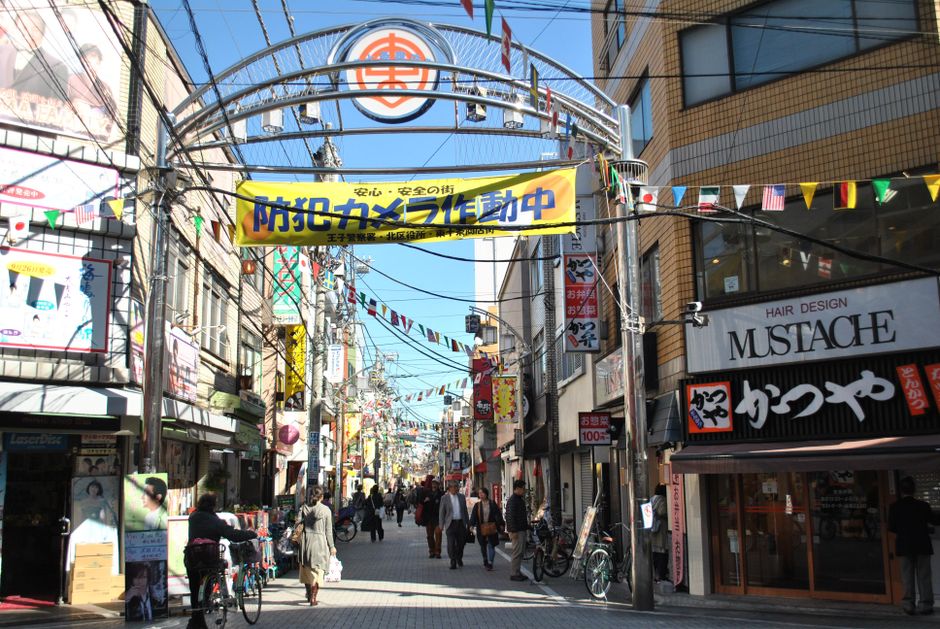
What makes this base work for your plan:
- Nishiki access is straightforward: you’re close enough to treat it like a stop you can pop into.
- Evenings in Gion are convenient: you can ride toward the Higashiyama side and still come back without planning your whole day around transit.
- You’ll find plenty of food nearby, so you’re not forced to travel just to eat after sightseeing.
What to watch for:
- Busy streets feel busy. Even when you’re not in the thick of the market, downtown Kyoto has constant foot traffic.
- Rooms on main roads can be noisy late into the evening, especially on warmer months when people stay out longer.
Shijo–Karasuma (Transit-first streets between the lanes)
Shijo–Karasuma is a strong choice if you want convenience more than charm. It’s a major grid area where it’s easier to get on/off public transport without backtracking through narrow lanes.
Why it fits Nishiki + Gion:
- Getting to Nishiki is usually quick and doesn’t require long detours.
- Gion rides are simple because you can reach the broader transit corridors without changing multiple times.
- Shopping and practical services (casual dining, convenience stores, laundrette-style options) are usually close by.
Trade-off:
- This can feel more “city” and less “old Kyoto” at street level. If you want lantern-lit evenings, you’ll still have to walk/ride into Higashiyama and Gion.
Gion and Higashiyama edge (Walk to Hanamikoji vibes)
If you want to step out and be near Gion’s atmosphere, pick a base along the Gion / Higashiyama edge rather than deep inside the loudest core. This gives you the feel of the area without always being surrounded by the thickest crowds.
Why this works for your itinerary:
- Evenings are easier. You can go to Gion, linger for tea, and return without rushing for the last ride.
- You get the right geography for Higashiyama-style walks once you’re there.
The reality check:
- Nishiki is not a “walk-only” plan from here. You’ll usually be using tram/bus or a taxi for daytime trips.
- Rates often run higher in this zone, and the best-situated properties book out early.
- Crowds concentrate in specific lanes. Staying “close” can be very close—sometimes too close.
Quieter Bases That Still Get You to Nishiki and Gion

How it supports your plan:
- Nishiki stays effortless. You can go once, then come back for a second browse when you’ve figured out what you want.
- Gion evenings still work because you’re already near central routes. You’re not far from the corridors that lead toward the Higashiyama side.
What to watch for:
- The area is popular for a reason, so it can feel busy from late morning onward.
- Some streets are lively at night; choose accommodations with quieter back-street access when possible.
Kyoto Station area (Fast rail links, straightforward bus access)
Kyoto Station is a practical base if you want fewer surprises. It’s not “classic Kyoto streets” in the immediate sense, but it’s extremely convenient for moving around the city and beyond.
Why it helps with Nishiki + Gion:
- Public transport routes are usually easy to manage from the station side.
- Day trips and connections are simpler, especially if you’re also doing trips outside Kyoto.
Trade-offs to consider:
- The station area can feel more modern and less atmospheric, so you’ll spend more of your evenings actively travelling into Gion.
- Depending on the property, you may experience more foot traffic and transit noise, particularly around major entrances.
If you prefer a smoother logistics day, this is often the least stressful option.
Gojo–Sanjo (Near the river, less pricey than central lanes)
If you want a base that’s still well placed but typically easier on your budget, look around Gojo–Sanjo. This zone sits close to central Kyoto routes while often feeling calmer than the most famous shopping lanes.
How it fits your targets:
- Nishiki Market is reachable without a complicated plan, especially if you don’t mind a short walk plus transit.
- Gion evenings are manageable. You can get there efficiently, then return without feeling like you’re fighting the whole city.
What to watch for:
- It’s not the “walk out the door and instantly in Gion” kind of location. You’re buying convenience and calmer streets rather than maximum proximity.
Trade-offs You Should Plan For
Crowds peak at Nishiki and Hanamachi—choose your timing and room
For Nishiki Market, midday can be a crush, and evenings near the most photographed Gion approaches can be packed too. The key is that your accommodation choice affects how you experience that crowd energy.
You’ll notice the biggest differences when:
- Your room is on a straight-through route used by tour groups.
- Your walk home requires passing through the most concentrated lanes.
- You’re in a place where doors and lobbies are close to busy footpaths.
A good approach is to treat Nishiki as something you can enjoy early, and let your Gion time be flexible—aim for an hour that feels right for your day rather than trying to match everyone else’s schedule.
Noise vs convenience: floors, street orientation, and window types
In Kyoto, “central” often means “lively.” That doesn’t automatically mean you’ll be miserable, but it does mean you should plan for noise as part of your decision.
When comparing places around Kawaramachi/Shijo, Shijo–Karasuma, or near Gion edges, focus on these practical signals:
- Higher floors can reduce street noise and pickup from late-night foot traffic.
- Back-street rooms tend to feel calmer than rooms facing major roads or busy lanes.
- Light sleepers should be extra careful around areas where people gather for food and drinks.
If you’re deciding between “closest to everything” and “sleep quality,” remember that one great night’s sleep often improves the next day’s sightseeing more than being five minutes closer on paper.
Getting Around Without Fighting Kyoto Traffic
Use the city bus for direct hops, but buffer for bottlenecks
Kyoto buses can be convenient for the kind of hop you’re planning—central Kyoto to the Higashiyama/Gion side, and back again. The catch is that traffic slows down around popular zones and at peak times.
Plan for reality:
- Give yourself extra buffer for the return trip in the evening when crowds are out.
- If you’re doing multiple stops in one day, consider whether you’ll be standing in one spot for a while.
If you’re travelling in a group or carrying shopping bags, buses can still be the easiest option because they reduce walking distances between landmarks.
Walk at night between the river lanes (then return by tram/subway)
Kyoto at night is at its best when you can actually walk. Even if Nishiki is your daytime anchor, the evenings often flow better when you mix short walking segments with a straightforward return by tram or subway.
This approach works well when:
- Your accommodation is in a neighbourhood like Kawaramachi/Shijo or Shijo–Karasuma, where transit isn’t far from where you want to be.
- You’re willing to do a “main-lane to calm-street” walk rather than trying to navigate every narrow side street after dark.
It’s also a simple way to avoid feeling trapped in crowded lanes—you can move toward wider routes and then continue your ride back.
Next Steps: Lock in Your Kyoto Base
Start by deciding which you value more: walking ease to Nishiki or easy, late-evening access to Gion. Then narrow to 2 neighbourhoods and compare room locations within each (street-facing vs back-street, and higher floors vs ground levels). Once you’ve got a short list, book early for peak seasons and aim for a place that offers you both an easy commute and a calmer return path at night.