

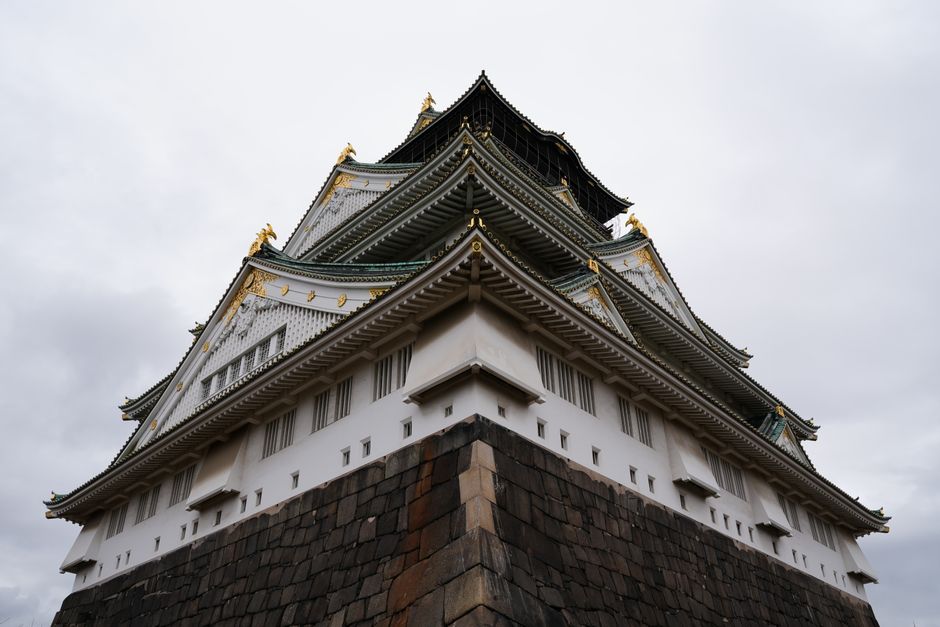
If you’re travelling between Kyoto and Osaka for a single day, the easiest plan is to ride early, stay central in Osaka, and group sights by area. This itinerary keeps the moves short and gives you approximate station-to-stops timing so you can build your day around trains rather than guesswork.
Quick map of your stops (in the order you’ll likely use)
- Osaka Castle
- Umeda
- Midosuji Avenue
- Shinsaibashi
- Dotonbori
- Kuromon Ichiba Market
- Abeno Harukas
Train Options: How to Get From Kyoto to Osaka
Kyoto to Osaka is one of Japan’s simplest day-trip routes—so you can focus on which part of Osaka you want to start exploring.
JR: Kyoto Station to Osaka Station (simple for first-timers)
From Kyoto Station, you’ll typically take a fast JR service to Osaka Station. In practice, the ride is usually about 30–35 minutes, and it’s straightforward once you’re at Kyoto Station.
Best for: getting to major Osaka transport hubs quickly, then continuing by subway or short local train rides.
Hankyu/other private lines: handy if you start near Kawaramachi
If you’re already around Kawaramachi or Gion-Shijo, a private rail line can feel more convenient than going all the way to Kyoto Station first. The travel time to Osaka’s city centre is broadly similar, but transfers can change depending on which Osaka station you target.
Best for: saving time if you’re not near Kyoto Station.
Picking a direction: centre-first versus evening-first
Osaka’s sight areas spread out, so decide your “anchor” before boarding:
- Castle in the morning + shopping at night works well for most visitors.
- Tennoji-area views late afternoon can be smoother if you’re avoiding the biggest crowd pockets at midday.
A Smooth Day Trip Itinerary With Station-to-Stops Timing
This is a realistic one-day outline that fits most train schedules. Adjust start and end times by 30–60 minutes depending on your exact departure.
1) Morning: Osaka Castle (arrive before the busiest hours)
Aim to be in the Osaka city core by late morning.
- 08:00–09:00: depart Kyoto Station
- 09:00–10:00: arrive Osaka Station and head toward Osaka Castle
Timing reality check: plan roughly 25–40 minutes after you arrive in Osaka to reach the castle area, including any subway/local train transfer and a bit of walking.
What to do once you’re there (about 90 minutes):
- Walk the outer park area
- If you’re visiting the main castle interior, keep some extra time for queues
- Take photos early; the castle area is far easier before mid-afternoon
2) Midday: Umeda + Midosuji Avenue (easy, central wandering)
From the castle area, head back toward the north-centre transport hubs.
- ~12:00–13:30: get settled in Umeda
- ~13:30–15:00: walk along Midosuji Avenue for city views and classic boulevard energy
Station-to-stops feel: the move from the castle area back to Umeda is typically about 20–40 minutes door-to-door depending on transfers and walking.
How much time to budget:
- Umeda: ~45–75 minutes for transit, viewpoints (if you want them), and a calm break
- Midosuji Avenue: ~60–75 minutes as a walking corridor rather than a “one place” attraction
3) Afternoon and evening: Shinsaibashi → Dotonbori → Kuromon (with an Abeno option)
This part of Osaka is where you’ll spend your “energy time”. The key is not to overstuff it—pick what you care about and leave breathing room.
- ~15:00–16:30: reach Shinsaibashi for shopping streets and smaller side lanes
- ~16:30–18:00: walk to Dotonbori for the neon-lined riverside atmosphere
- ~18:00–19:30: finish at Kuromon Ichiba Market for an evening food stop
How long between areas (roughly):
- Umeda → Shinsaibashi: usually 15–30 minutes with a subway connection and light walking
- Shinsaibashi → Dotonbori: often 10–25 minutes depending on your route and pace
- Dotonbori → Kuromon: commonly 10–20 minutes
Optional swap: Abeno Harukas (only if you still have stamina)
If your day is moving well and you want a late view experience, you can shift Kuromon earlier and go to Abeno Harukas near the end.
Practical timing rule: treat the Abeno add-on as +60–90 minutes total. That usually means leaving Dotonbori/Kuromon a little earlier, not later.
Station-to-Station Timing Cheatsheet
Use this to sanity-check your plan before you commit to a sequence. Times are approximate, assuming you’re walking at a normal pace and not hunting for elevators.
Kyoto Station → Osaka Station
- Typical travel: about 30–35 minutes
- Add buffers: 10–20 minutes for walking and platform changes on arrival
Osaka Station → Osaka Castle area
You’ll usually route via JR or subway connections.
- Total after-arrival (including transfer + walking): roughly 25–40 minutes
If you’re sensitive to stairs, plan to look for step-free paths while you’re still at the station—transfers can be the part that changes most.
Namba-side districts → Kuromon and back toward Abeno
Most day trips funnel through the southern/central Osaka stations before dinner.
- Dotonbori/Shinsaibashi area → Kuromon: 10–20 minutes
- Kuromon area → Abeno Harukas: often 25–45 minutes with transit and short walks
If you’re doing the Abeno option, it helps to commit to it as your “final stop” so you don’t zig-zag.
If You Want a Different Pace (Swap Stops)
This route is flexible. You’ll keep the same transport pattern but change which area gets priority.
More views, less shopping: make Abeno Harukas the main event
If you’d rather trade some shopping hours for a late-day skyline plan:
- Keep Osaka Castle in the morning
- Do a lighter Midosuji Avenue walk
- Spend less time in Shinsaibashi
- Move Abeno Harukas later, then eat around Kuromon (or vice versa)
Why this works: you avoid the busiest shopping pockets early evening and shift your “crowd tolerance” to a calmer timing window.
More shopping time: extend Shinsaibashi, shorten the boulevard
If shopping is your priority:
- Spend ~60–90 minutes on Shinsaibashi
- Keep Midosuji Avenue to a focused walk (not an all-afternoon stretch)
- Start Dotonbori earlier and aim for Kuromon after it calms down
Food-first plan: Kuromon gets protected time
If you want to focus on eating without rushing:
- Keep your castle slot slightly shorter
- Move Kuromon to the end of the day whenever your energy allows
- Treat Dotonbori as a quick, atmospheric walkthrough rather than a long sit-down
Booking, Crowds, and Small Costs That Matter
This is where day trips succeed or feel stressful. You don’t need to over-plan—just avoid the common friction points.
What to buy before you board
For the main Kyoto → Osaka leg, you usually have two choices:
- A basic rail fare (often fine for flexible travel)
- A reserved-seat upgrade on some services (helps if you’re leaving during peak hours)
Seat strategy: if you’re travelling late morning or early afternoon, reserved seating can reduce stress. If you’re leaving before the busiest waves, flexibility is often enough.
When each area gets crowded
Even on a day trip, Osaka’s busiest waves are predictable:
- Osaka Castle park area: busiest late morning through mid-afternoon
- Shinsaibashi and Dotonbori: busiest around late afternoon and early evening
- Kuromon Ichiba Market: peaks close to dinner time
Simple rule: if you care about comfort, arrive at each area early in its window, not at the peak.
Budget expectations (rough shapes, not exact numbers)
Costs vary by what you choose to eat and whether you go into paid sights, but you can plan in broad terms:
- Round-trip train: budget for a mid-range fare rather than a bargain-price day
- Food: expect a wide range depending on whether you’re doing quick snacks or sit-down meals
- Paid attractions: treat them as optional add-ons, since queues can change the value
If you keep a cash buffer even when you use cards, it helps—street snacks and small counters can be easier with small bills.
Next Steps: Build Your Schedule in 10 Minutes
Pick your anchor first—Osaka Castle if you want classic sights, or Abeno Harukas if you want a late view. Then work backwards: set your Kyoto departure, estimate your Osaka arrival, and lock in the order that protects your preferred stop (either Dotonbori atmosphere or Kuromon food time). Finally, check your exact station choices and allow transfer buffers so the day feels paced rather than rushed.