


When you’re planning fado in Lisbon, the neighborhood you sleep in matters as much as the venue. Lisbon’s hills and winding streets can make “just one more drink” turn into an expensive ride home—unless you stay near the tram corridor that serves Alfama and Mouraria and you’re realistic about noise.
Below are the most practical areas to base yourself for fado evenings and late-night dining near tram lines, with a focus on late-night walkability and how crowded the streets (and trams) get.
Alfama: Closest to fado, best if you like walking and don’t mind crowds
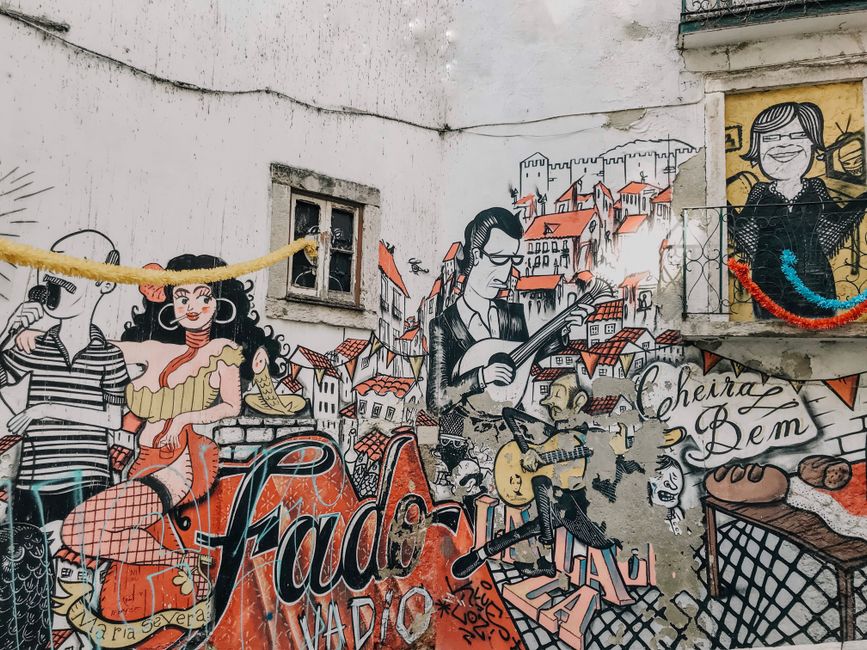
Walk to fado, then keep going on foot
If you’re aiming for a classic plan—dinner, fado, late dessert—Alfama reduces decision fatigue. After the show, you can stay on foot through the same lanes rather than planning a route back up and around.
Look for:
- Streets that stay lively after dark (you’ll hear it, but it’s convenient)
- Lodgings with windows that block street noise if you’re a light sleeper
Tram 28 access without long detours
Tram 28 runs through the Alfama area, connecting you to the broader center. The practical upside is that you can finish an evening and either:
- walk a short distance to a tram stop, or
- walk downhill to better-lit streets if you prefer a calmer path.
Downside: Tram 28 is famously busy at peak times. Expect queues, slower climbs, and occasional standing-only rides.
Late-night dining is nearby—but choose carefully
Late dining in Alfama is real, but menus tend to be simpler and more “tourist-visible” near the busiest lanes. If you want better value, drift a few streets away from the most famous viewpoints and stick to restaurants with a local clientele pattern (busy with repeat diners rather than a one-off crowd).
Mouraria: Fado energy plus a strong “stay out late” dining scene

Good base for Tram 28 and Alfama evenings
Mouraria is a practical compromise: you still get quick access toward Alfama, but you’re not paying the “front-row” price of sleeping inside the busiest fado streets.
If you plan to do fado and then continue dining, Mouraria’s streets are typically easier to move through than the steepest pockets of Alfama.
Noise tolerance matters more than you think
Mouraria can feel lively late into the night. You’ll likely hear conversations spilling out of doorways and traffic noise on main streets.
Choose your room strategy:
- If you’re noise-sensitive, prioritize quieter side streets rather than front-facing rooms
- If you want the evening vibe, staying closer to the densest activity saves time getting back from dinner
Late-night dining that doesn’t require a tram every time
This area works well if you’re doing multiple stops: seafood or grilled meat earlier, a lighter bite after fado, and then a drink with fewer logistics. The best approach is to pick one “anchor” restaurant group and build your route from there on foot.
Baixa and Chiado: Best for easy connections and late dining with fewer uphill obstacles
If Alfama and Mouraria feel too intense, Baixa and Chiado are often the sweet spot: central, walkable, and connected to the tram routes that get you toward fado areas without forcing you to base yourself in the thick of tourist nightlife.
Tram access plus flatter night walking
Baixa’s streets are generally easier to navigate at night than the steepest historic quarters. That makes late dining smoother: you can keep walking between dinner and your tram stop instead of timing everything precisely.
For a fado-night plan, you’ll typically use trams as your “after-show transport,” not your only transport.
Less “fado-in-the-street,” more “fado-as-an-activity”
In Baixa and Chiado, fado is something you go to. You’re not in the middle of every venue, so evenings can feel less chaotic.
This is ideal if:
- you want a calmer room at night
- you’re planning to book a specific fado evening and build the rest of your night around it
Late-night dining variety is the real advantage
Central Lisbon has a wider spread of dining styles and late kitchen options than the quieter edges of the city. You can often find a plan that works even if your fado start time changes slightly.
Tip: When you’re eating late, look for places that are busy with people who appear to live nearby (not only groups photographing the same street view). It usually signals better pacing and value.
Bairro Alto and Cais do Sodré: For nightlife energy—great access, louder nights
This is the Lisbon nightlife corridor. If your priority is late dining and you’re comfortable with street energy, Bairro Alto and Cais do Sodré can be excellent. If you’re a light sleeper, treat them as “noise-aware planning required.”
You’ll walk to dinner and drinks more often
Bairro Alto is known for evening atmosphere, and Cais do Sodré keeps a similar rhythm later into the night. That means you can build a flexible schedule without always checking the tram schedule.
Late-night reality check:
- streets can get crowded around peak times
- you may hear music and bar spillover even if you’re on a side street
Tram 28 is usually a workable route for fado follow-through
You’ll typically connect to the Tram 28 corridor that serves areas along the Alfama/Mouraria loop. The practical advantage of basing here is that you can return after fado with fewer “where do we go now?” moments.
Crowd management tip: If you’re heading toward Alfama after a late dinner, aim to board trams slightly earlier than you think. The line fills quickly, especially during weekend evenings.
Choose the right kind of night if you’re sensitive to sound
If you want the nightlife without the full volume:
- pick a room that isn’t directly facing the busiest bar streets
- consider staying slightly uphill or a few minutes away from the densest entrances
This is also where “late-night dining” can be more plentiful, but it can skew pricier near the hottest corners. Spend a moment comparing menus and choosing places where you can sit comfortably (not just grab-and-go).
Príncipe Real and Estrela: Calmer evenings with still-easy access to the tram network
Príncipe Real and Estrela are often a better match if you want an evening that starts lively and ends peacefully. You’re close enough to reach fado zones, but the streets around where you sleep tend to feel less chaotic than the nightlife core.
Evening atmosphere without constant street noise
These neighborhoods are a good option if you like to do fado and late dinner, but you don’t want your room functioning as a soundstage.
Look for:
- streets that keep the night lively while avoiding the busiest bar strips
- accommodations that offer solid room insulation (especially if you’re traveling in warmer months when windows may stay open)
Handy for tram rides, better for “post-dinner walking”
The tram network is accessible from here in a way that supports a simple workflow:
- ride to fado
- come back with a tram or short walk
Compared with staying inside Alfama or Bairro Alto, you’ll usually have an easier time navigating at night without constant steep detours.
Late-night dining is more “neighborhood” than “tourist strip”
You’ll find plenty of evening-friendly options, often with a calmer feel. This can mean fewer big queues and a more relaxed dinner pace—especially helpful if you have an early fado booking.
What to do next: Match your stay to your fado plan and noise level
Before you book, decide what kind of night you want: a one-street fado-to-dinner loop (Alfama/Mouraria), a calmer base with easy connections (Baixa/Chiado), or an energetic nightlife corridor (Bairro Alto/Cais do Sodré). Then pick your room direction and street location accordingly—noise tolerance is the difference between a great fado night and a tiring one.
Once you’ve chosen an area, shortlist accommodations near a tram stop and do a quick route check for your likely fado start time. If you’re staying somewhere that’s popular at night, booking earlier helps you avoid the noisiest rooms and the most overpriced last-minute options.