

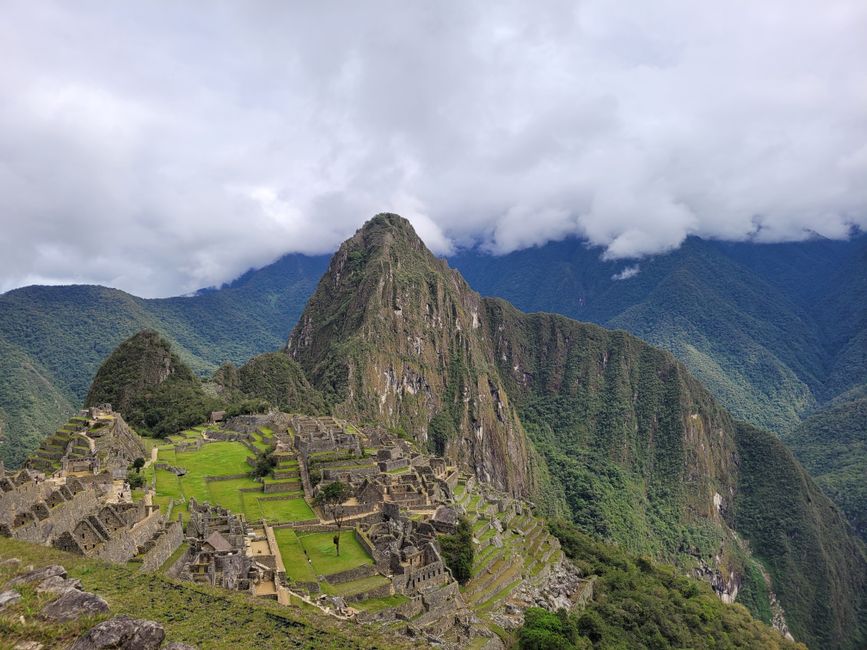
Machu Picchu: that final descent is always dramatic. What makes the day feel smooth or stressful is almost never the view—it’s the chain of tickets, the station-to-bus transfers, and knowing what to do when the clouds and rain roll in.
This guide walks you through the standard route used by most visitors: Cusco → (train) → Aguas Calientes → (bus) → Machu Picchu. It also includes a weather-safe swap plan so you’re not stuck “waiting out” a bad forecast.
Plan the Logistics Before You Leave Cusco
Choose a visit day with a buffer built in
If you’re travelling in the rainy season, visibility can drop quickly and afternoon showers are common. Aim to visit Machu Picchu earlier in the day when crowds are lighter and skies have a better chance of clearing.
A smart approach is to plan your Machu Picchu day so you still have at least one flexible day in the Sacred Valley or Cusco. That flexibility matters if the weather forces a swap.
Decide whether to overnight in Aguas Calientes
There are two workable patterns:
- Same-day push: Cusco early → train → arrive Aguas Calientes → bus up to Machu Picchu. This works best when your train times line up well with your entry window.
- Overnight in Aguas Calientes: You take an earlier train, check in, then go up in the morning. This usually feels calmer and gives you more control if you’re delayed.
Keep your morning workflow realistic
From train arrival to entering Machu Picchu, you’re stacking multiple queues: train disembarkation, bus line, security, then the walk to your starting circuit. Give yourself slack rather than aiming to “just make it.”
Buy Tickets at the Right Points (and for the Right Times)
Machu Picchu entry: buy with the correct timed access
Machu Picchu requires an entry ticket tied to a specific time slot (and often a specific route/circuit). Purchase your entry in advance so you’re not trying to solve a timed-access problem on the day.
When booking, check what ticket you have for:
- The entry time slot you must match
- The circuit/route included (this affects what you’ll be able to see on the same day)
Train tickets: reserve the segment that gets you to Aguas Calientes
The most common train pattern is from the Cusco area via Ollantaytambo to Aguas Calientes. You’ll typically buy these tickets from the train operator’s official sales channels (online or at their authorized counters). Because seats can be limited during high season, book early.
If your schedule is tight, prioritise train timing over price. A “slightly cheaper” train that arrives late can force you into bus/entry crunches.
The bus up from Aguas Calientes: plan for purchase on the ground
After arriving in Aguas Calientes, you’ll need the shuttle bus to the Machu Picchu entrance area. In most cases, you buy your bus ticket through the bus terminal area when you’re there, then follow the queue system.
The key is timing: you want to be at the bus line early enough that your entry slot isn’t at risk.
Exact Routing: Cusco to Aguas Calientes to Machu Picchu
The standard day route via Ollantaytambo
A clear, repeatable logic looks like this:
- Start in Cusco early so you have time to connect smoothly.
- Go to Ollantaytambo (typically by road transfer arranged as part of your overall plan).
- Train to Aguas Calientes. Aim for a departure that gives you a comfortable buffer before your Machu Picchu entry window.
- Move to the bus terminal area in Aguas Calientes.
- Bus up to the entrance.
- Walk through the entrance process and then into the circuit.
This routing works because it reduces long uphill hikes. You’re using the train for the long valley leg, then the bus for the steep approach.
If you overnight: take the pressure off the morning
If your train arrival is awkward for the entry slot, the overnight approach often makes the day easier:
- Take a train that still gets you to Aguas Calientes with enough daylight for check-in.
- Next morning, eat early, go straight to the bus line, and follow your ticket time.
Overnighting also helps if you need to wait out brief rain. You’re not trying to time a single narrow window after a delay.
Where to hold steady on the morning
The morning “decision points” are simple:
- After train arrival: decide quickly whether to walk directly to the bus line or take a short shuttle inside town. The goal is to arrive at the bus queue area early.
- Before your entry slot: once you’re on the bus approach, stick to that timeline—don’t keep switching plans in the final stretch.
If the weather turns dramatically, it’s better to commit to the swap plan (below) rather than gamble with last-minute timing.
Station-to-Ruins Walking Logic: How to Get From Aguas Calientes to the Gate
Train station → bus queue: follow the town route, not shortcuts
When you arrive in Aguas Calientes, the train station is close to the main town flow. The walking logic is to head toward the bus terminal area rather than trying to “cut across” with vague shortcuts.
In practical terms:
- Expect a short walk from the station area toward the bus line (often around 10–20 minutes depending on crowds and your exact starting point).
- Use the signs and crowd flow that point toward the bus shuttles.
If you’re travelling in busy season, walking faster isn’t the priority—staying on the most obvious route is. The bus queue concentrates in a predictable place, and it’s easier to be early than to “hunt.”
Bus drop-off → entrance: plan for steps and security
At the top, the bus drops you near the entrance approach. From there, you’ll have to:
- Walk uphill on the designated approach path (steps and covered corridors are common)
- Pass security checks
- Then follow signs to your circuit starting point
This stage is where delays happen if you arrive late to the bus line. Once you’re in the system, you still need time for the physical walk and processing.
Timing rules that prevent missed windows
Use these simple checks to avoid a last-minute problem:
- If your entry slot is soon, don’t aim to “sightsee” on arrival in Aguas Calientes.
- Build in buffer for the bus queue. The queue can swell quickly when trains arrive close together.
- Treat security as non-negotiable. You can’t speed through it.
Weather-Safe Swap Plan if the Forecast Turns
Know when to switch instead of waiting
Rain doesn’t always ruin the day, but clouds and heavy showers can seriously reduce what you can see at Machu Picchu. Consider switching plans when:
- The forecast calls for prolonged rain during your entry window
- Visibility looks low in the approach period (bus phase)
- You’re likely to rush and miss your best chance to enjoy the site
A swap is most effective when you kept your schedule flexible and didn’t lock yourself into only one outcome.
Sacred Valley backup sites that work well in wet weather
If you need alternatives, the Sacred Valley offers strong historical stops that don’t depend on Machu Picchu’s specific viewpoints.
Choose from these, depending on what’s convenient for your base:
- Pisac (ruins and viewpoints)
- Ollantaytambo (fortress and town-side history)
- Moray (terraced agricultural structures)
- Maras Salt Mines (salt evaporation pools)
- Chinchero (heritage weaving and local history)
Keep the plan flexible without losing the whole day
A practical approach:
- If the Machu Picchu forecast looks poor, decide early enough to shift to a Sacred Valley circuit that you can complete comfortably.
- Don’t underestimate travel time between sites. Rain slows roads and parking.
- Keep one “easy-to-rebook” block free in your day so you can adjust rather than cancel everything at once.
If the weather improves unexpectedly, you can still attempt Machu Picchu later—just make sure you’re not breaking your timed-entry constraints.
What to Do Next
Start by locking in your Machu Picchu entry ticket for the time slot you can actually reach, then match your train timing to that slot with a buffer. After that, build in one flexible day for a Sacred Valley swap so rain doesn’t force a wasted day. If you’re travelling in high season, book train and entry well ahead to avoid tight schedules.