

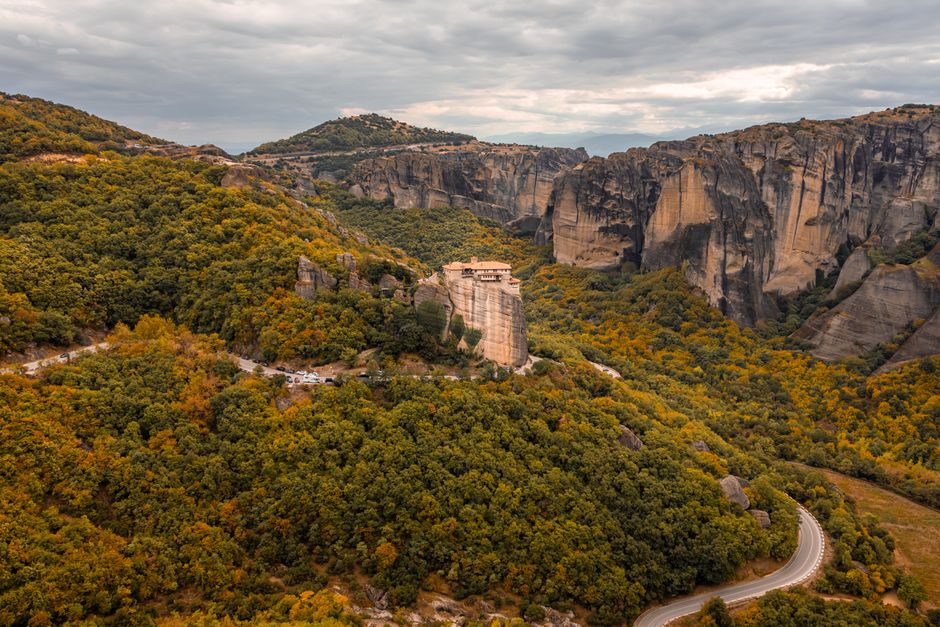
Meteora From Thessaloniki: How to Plan a Self-Guided Day Trip
If you’re travelling from Thessaloniki and want Meteora in one day, the biggest challenge isn’t reaching the rock formations—it’s deciding what to skip. Monasteries are spread across the cliffs, walking takes time, and opening days can vary by season. With a self-guided plan, you’ll get more out of the day by keeping it simple: one base town, one “cluster” route, and a short list of monasteries.
Quick Reality Check: What a Day Trip Gets You
Meteora rewards slow travelling, so a day trip is always a compromise. Still, you can absolutely see the iconic cliff scenery and visit multiple monasteries if you avoid trying to cram every site into a single afternoon.
When a day trip works best
You’ll find a day trip most satisfying if you:
- Start early from Thessaloniki
- Plan for long drives and a few short walks (not hour-long hikes between cliffs)
- Pick 3–4 monasteries to visit in total
When you should switch to an overnight
Consider moving to a second night if you’re travelling in peak season (when parking and access points can feel busy) or if you prefer longer breaks at viewpoints. If you’re travelling with mobility limits, a full day can still work, but you’ll want to be selective and keep monastery order tight.
Plan Your Route From Thessaloniki
You have two realistic options for a self-guided day trip: driving yourself or using public transport and then doing local driving/walking. The best choice depends on how comfortable you are with mountain roads and how early you’re able to leave.
Choose transport that matches your pace
- By car: You control start time and can group monasteries by area. This is usually the simplest way to get through the day without waiting around.
- By bus/train plus local transport: It can work, but you’ll be more tied to departure times. If you’re aiming for early morning access to monasteries, build in extra buffer time.
Build a timed itinerary before you leave
A workable structure is “early arrival, monastery cluster, long lunch gap, then one more cluster viewpoint.” A realistic rhythm looks like this:
- Morning: depart Thessaloniki early and arrive in the Meteora valley before most midday rush
- Late morning to early afternoon: visit 2–3 monasteries in the same area so you’re not crossing back and forth across the formation
- Mid afternoon: viewpoint stops for photos and a relaxed break
- Late afternoon: one final monastery (or a shorter visit if the day is running long)
- Evening: start the return journey before it gets dark
Pick Monasteries for a Self-Guided Route
You don’t need to visit every monastery to get the Meteora “wow” factor. What matters most is choosing the right ones for your route and building your day around efficient driving between cliff entrances.
Stick to one cluster to reduce backtracking
The monastery sites are not evenly spaced. Many travellers lose time driving between areas with limited parking access. To keep the day smooth, plan to visit monasteries that sit close enough together that you can reach them in a short loop.
A practical monastery shortlist
Use this as your starting point for a 3–4 stop plan (and then confirm access and visiting rules when you’re there):
- Great Meteoron (Megalo Meteoron)
- Varlaam (Monastery of Varlaam)
- Rousanou (Holy Monastery of Rousanou)
- St Nicholas Anapafsas (Monastery of St Nicholas)
- Holy Trinity (Agia Triada)
A common way to structure it is: start with one major site early, move to the nearest nearby monastery for your second stop, then add one or two more depending on how much time you have for walking and viewpoints.
Where to Park, Walk, and See the Best Views
Your experience will rise or fall on how you handle the last-mile part of the day: where you park, how you move between viewpoints, and when you step away from the monastery queues.
Base yourself in the Meteora valley towns
Most self-guided day trips work best if you plan to spend time in one of the valley towns rather than constantly searching for parking. Your main options are:
- Kalambaka: more services and an easy base for picking up a loop route
- Kastraki: a quieter feel and a straightforward starting point for several viewpoint angles
Viewpoints and short walks that pay off
Instead of treating every scenic stop as a mini-hike, look for viewpoints that give strong results with limited walking:
- The view from Rousanou area overlooks the cliffs and valley road
- Monastery viewpoint near the main cliff roads for classic “hanging monastery” shots
- Panoramic lookouts around Kastraki for sunrise/sunset-style angles (even outside peak times)
If your day is tight, prioritise viewpoints that are near the monasteries you’re already visiting. That keeps the day fluid and reduces the “arrive, park, walk, drive again” cycle.
Booking and On-the-Day Etiquette
Meteora isn’t a theme park, and monastery visits come with rules. The goal is to keep the visit respectful while still making time for the scenery.
What to book ahead (and what to leave flexible)
For a self-guided day trip, you generally don’t need a packaged tour to enjoy the scenery. What you should do in advance is:
- Confirm the overall travel plan (your route in, and your return timing)
- Prepare for seasonal variations by keeping your monastery order flexible
- Bring cash or a card for small purchases in the valley town (simple facilities can run limited during quieter periods)
If you’re travelling during high season, it’s smart to arrive early enough that you’re not forced into the busiest access times.
Dress code and visitor behaviour
Monasteries expect visitors to dress modestly. Bring layers for cool mornings and warmer afternoons, especially if you’re visiting in shoulder seasons. On the ground, plan to take your time with paths and steps—surfaces can be uneven and crowded.
A few practical on-site behaviours make the visit smoother:
- Follow instructions at each monastery entrance (don’t assume the rules are identical)
- Keep phone calls off and be mindful with photos in worship areas
- If you’re asked to wait or move, do it promptly to avoid blocking narrow paths
What to Do Next
Before you set off, pick 3–4 monasteries from the shortlist and map them into one loop so you don’t waste half the day crossing between areas. Then decide your base town (Kalambaka for services, Kastraki for a calmer start), and set a realistic departure time from Thessaloniki to arrive before the midday rush.
If you want, tell me your travel month and whether you’ll drive or use public transport, and you can get a tighter order for stops that matches your pace.