

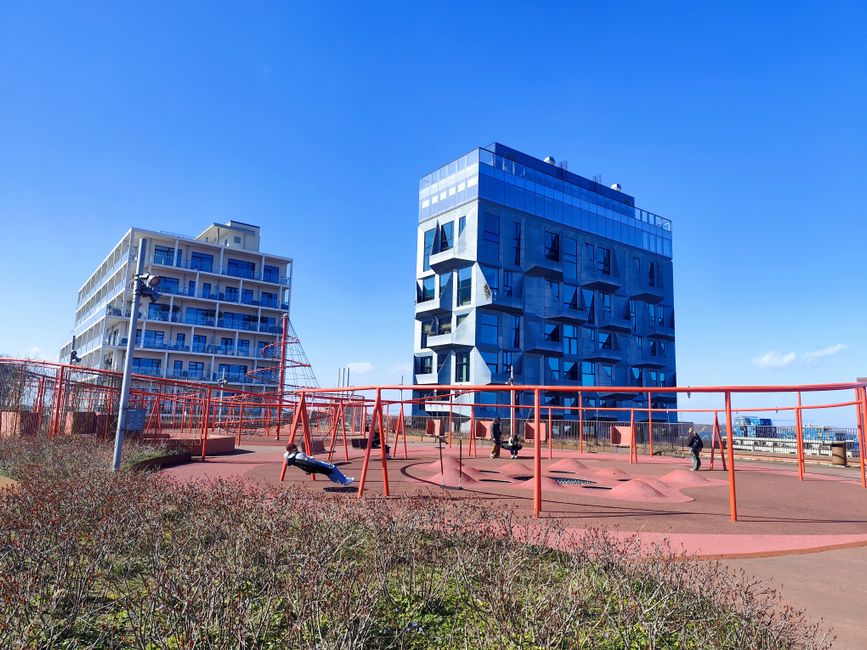
Copenhagen is easy with children when you choose a base that ticks two boxes: playgrounds within a short walk, and Metro access for quick resets. The city is compact, but the feel of each district changes a lot—so instead of picking by price alone, plan around where you want to be at 9am, 2pm, and after bedtime.
Below are six strong neighbourhood choices for families who want local life, frequent Metro connections, and playground-ready streets.
How to Choose a Family-Friendly Area in Copenhagen
Before you narrow it down, use a simple checklist that matches how Copenhagen actually works day-to-day.
Prioritise a walkable Metro stop
You’re looking for a home where you can reach a Metro station in roughly 5–12 minutes on foot. That walk matters more than having the station nearby in theory—especially with strollers, naps, and shopping bags.
Look for playground density, not just one big park
Some districts have one major destination; others feel like they have playgrounds on every other block. When you’re travelling with kids, the second option usually wins because it reduces friction.
Choose streets that stay calm at the times you travel
Even within the same neighbourhood, micro-areas differ: courtyards and side streets are often calmer than main shopping roads. If you can, plan your daily route so you spend more time on calmer streets and less time crossing busy roads with children.
North and Central Copenhagen: Green Space Close to the Metro
North and central districts tend to feel the most straightforward for families: more trees, lots of parks, and generally easy Metro reach.
Østerbro: Playgrounds and parks with a calm, family rhythm
Østerbro is often a comfortable base if you want pleasant streets and regular park time without feeling like you’re constantly on a tourist route. The area is well served by Metro connections, so you can pair playground breaks with quick rides across town.
What works well here:
- Lots of nearby green space for short outdoor windows between naps or after meals
- A generally family-oriented atmosphere compared with the busiest inner-city corridors
- Good day-trip options because you’re positioned for easy Metro transfers
If you’re travelling in peak summer or during school holidays, Østerbro can feel busy around popular parks. It’s still usually manageable, but booking early helps.
Frederiksberg: A compact, polished option with lots of outdoor time
Frederiksberg is a district families often like because it feels organised and residential while still being connected. You’ll typically find plenty of playground-friendly spots and streets that work well for stroller walks.
Why it’s handy:
- Easy access to the Metro network for quick getaways
- Strong balance of residential calm and everyday convenience
- A good fit if you want fewer “big attraction” crowds near your doorstep
If you want a base that feels less hectic at night and easier for morning routines, Frederiksberg is one of the better bets.
Nørrebro: Lively local energy with playground pockets nearby
Nørrebro gives you variety. It’s more energetic than Østerbro or Frederiksberg, but you can still build a family routine around playground-heavy blocks and quick Metro hops.
What to expect:
- A more multicultural, street-life feel (great if you want everyday Copenhagen, not just sightseeing)
- Playground access that’s often close enough for repeat visits
- Metro connections that make it simple to switch plans when kids get tired
The main trade-off is that some streets are busier, so it’s worth choosing your exact block carefully—especially if you’ll be walking in the evening.
West and Inner-South: More Local Streets, Still Metro-Connected
If you want to avoid the most tourist-heavy parts of the centre while keeping transport easy, these areas are usually a good compromise.
Vesterbro: Practical, walkable neighbourhood life near transit
Vesterbro is a popular choice for families who want to stay connected while still feeling closer to local Copenhagen than to the central sightseeing lanes. You can usually find playground time without long detours, and the Metro makes it easy to reach other parts of the city when energy levels change.
Vesterbro tends to suit you if:
- You prefer lively neighbourhood cafés and everyday shopping over postcard-only streets
- You want to move around the city without relying on taxis
- You’re comfortable choosing a quieter side street for better sleep
In busier periods, expect more street activity around main corridors. Choosing accommodation with good sound insulation (or quieter streets) can make a noticeable difference.
Amager (Amagerbro and Islands Brygge): Families who like water views and easy hops
Amager is a practical family area when you want more breathing space and an outdoors-first routine. The combination of residential streets and waterfront walks helps you burn energy without having to schedule a whole big outing.
What makes Amager work for families:
- Plenty of places for active play and outdoor breaks near everyday routes
- Good Metro access for quick rides to central Copenhagen
- A generally straightforward base for day plans that start and end at home
If you’re travelling in summer, the waterfront can feel lively on warm weekends. That’s great if you want people around, but it’s less ideal if you want quiet playground time every day.
Waterfront Living: Channels, Harbourside Paths, and Playgrounds
For families who love movement by the water—stroller walks, bike rides, and windy harbour air—this part of the city is a good fit.
Christianshavn and Havneholmen: Scenic, walkable, and well connected
Christianshavn and nearby Havneholmen have a distinctive look: waterways, bridges, and paths that make it easy to stretch your legs between indoor moments. It’s also a neighbourhood where playground options are often within reach, and Metro links keep longer trips simple.
Why families tend to like it:
- Outdoor time feels built-in because the harbourfront is part of daily life
- Good walking routes for short outings that don’t require a big plan
- Easy transit access when kids need a fast reset
The trade-off is that waterfront areas can be windy and exposed in colder months. If you’re visiting in autumn or winter, plan for layers and choose accommodation that reduces the time you spend waiting outside.
What to Do Next
Pick two neighbourhoods from the shortlist and compare them by transport reality: choose the closest Metro stop you’ll actually use for your day plans, then check how quickly you can reach a playground on foot. Once you’ve narrowed it to one winner, book early for summer and school-break periods, and prioritise quieter side streets if your child is a light sleeper.