

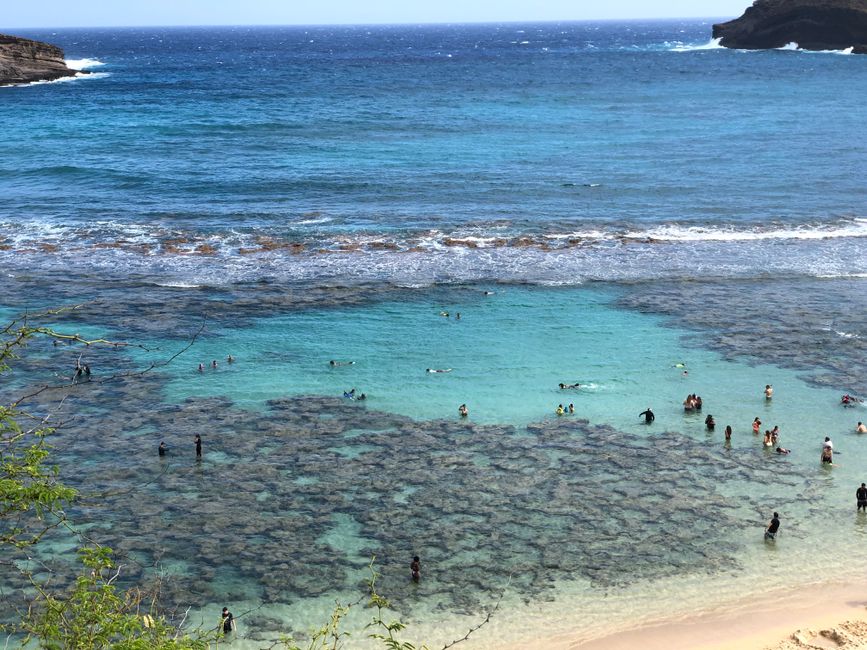
If you’re aiming for snorkelling on O‘ahu’s North Shore, the biggest “beach name” mistake is assuming the water is calm just because a spot looks sheltered from the road. In reality, North Shore conditions swing hard with swell size, swell direction, and how the trade winds line up on the day.
This guide helps you pick where to swim based on what the ocean is doing—and where you can actually get in and out without turning your snorkel into a scramble.
The North Shore Reality: Winter Swell vs Summer Calm

For snorkelling, “winter calm” usually looks like small, fading surf—not “no waves at all.” You’ll still want to choose reef pockets and protected entries and be ready to switch plans quickly.
Summer (roughly May–Oct): smaller surf, better chances of calm pockets
In summer, swell is often smaller and more manageable. That usually gives you:
- more days where nearshore water stays rideable rather than choppy
- more consistent sand-and-rock access
- better odds that a cove actually functions like a cove
Even then, you’ll sometimes get wind-driven chop, so the “calm” varies by morning vs afternoon.
Shoulder months (Apr–May, Sep–Oct): clear skies don’t guarantee calm water
Spring and autumn can bring mixed conditions: the air may feel pleasant, but swell and wind can flip from day to day. Treat these months as “check the water first” rather than “plan on certainty.”
Best Calm-Water Snorkelling Beaches on the North Shore (by day type)

Hale‘iwa Ali‘i Beach Park (near the harbor)
- Often a good “backup” option when you find the outer reef too active
- Nearshore areas can be calmer than the beaches exposed to the full swell
- Snorkel access depends heavily on where you can safely step in and exit
Practical reality: neither spot is a guaranteed aquarium on rough-swell days. The payoff is that both can offer more structure and calmer zones when conditions cooperate.
Coves near Waimea for sheltered swims: Ke Iki Beach + Waimea Bay (south side)
Ke Iki Beach
- Tucked feel and strong protection compared with open beach sections
- A better match for snorkelling when you still want a sheltered, low-stress swim rather than battling shore break
- If you see frequent waves breaking deeper into the cove, choose another spot; protection has limits
Waimea Bay (focus on the calmer south-side approach when conditions allow)
- Waimea’s water is extremely condition-dependent: the same coastline can look snorkel-friendly one day and pushy the next
- For snorkelling, you’re looking for softer sets and less agitation in the shallow entry area
- If surf is up, keep snorkeling expectations low and prioritize safe shore access
Practical reality: Waimea is famous for surf. For snorkelling, treat it as a “only on the right day” beach.
East-and-north protected stretches near Kahuku: Turtle Bay Beach + Sunset Beach (choose the calmer sections)
Turtle Bay Beach (Kahuku side)
- Often a strong pick when you want a wider beach with multiple places to access the water
- Reef edges and entry points can create pockets that feel calmer than the open sections
- When wind picks up, choose your entry point carefully so you’re not swimming in direct chop
Sunset Beach
- Like Waimea, it can swing from workable to rough depending on swell and how the sets roll in
- Snorkelling works best when surf is not breaking strongly across the beach and the water near shore stays less turbulent
- Pick sections that offer the easiest, safest step-in and step-out—not the most dramatic-looking coastline
Practical reality: if your goal is calm snorkelling, avoid treating “Sunset” as a synonym for “calm.” Watch the water movement first.
How to Choose Spots by Swell, Wind, and Timing (not guesswork)
Read swell direction and energy, then match it to the beach exposure
For North Shore snorkelling, “north swell” is the headline issue in winter. The practical effect is simple:
- If sets are arriving steep and breaking close to shore, snorkeling gets more dangerous fast.
- If the water is rising and breaking farther out, sheltered pockets stand a better chance.
On any day, check whether the beach has:
- breaking waves washing shallow entries
- periods where water flattens between sets (your best snorkel windows)
Use wind patterns to predict chop in the snorkel zone
Trade winds can turn “mostly okay” beaches into a choppy swim, especially in mid to late day.
A useful approach:
- If the wind is strong and gusty, prioritize beaches/coves where the immediate nearshore feels sheltered.
- If you’re already there, watch the surface: if ripples turn into short, steep chop right where you’d enter, switch beaches rather than forcing it.
Time your swim for calmer water: morning windows usually have the advantage
Across many North Shore days, mornings often give:
- fewer wind-driven waves
- more stable nearshore conditions
- an easier time finding a quiet lane to enter and exit
If the day warms up and the surface texture changes, don’t stubbornly keep swimming. Give yourself a clear “turnaround point” (for example, how far you’re willing to drift before you head back).
Swim Access and Safety: Where You Can Actually Get In
Sand vs rock access: pick the easiest entry/exit first
Calm water doesn’t help if your entry is awkward.
As you choose between Sharks Cove, Ke Iki, Waimea’s sheltered sections, Turtle Bay, and Sunset:
- Prefer entries where you can step in and out without scrambling over slick rock
- Avoid spots where the water changes suddenly from shallow to rushing current just beyond your comfort zone
- If you need to “hop” into a channel or push off from uneven rocks, reconsider
Watch for surge and currents at the edge, not in the open water
Snorkel safety is often about what the water does right at your feet.
Before committing:
- look for whitewater reaching toward the entry
- check whether waves periodically “lift” the bottom rather than gently covering it
- notice if the shoreline keeps pulling you sideways during sets
If you’re getting spun or pushed by shoreward surges, don’t treat it as normal. Swim back, reassess, and choose a calmer cove.
Gear that matches conditions: keep it simple and comfortable
For calmer-water days, standard snorkelling gear works best, but match it to the swim:
- Use a snorkel setup you can handle comfortably if you have to exit quickly
- Keep fins sized and fitted so you can move with control near shore (not just in open water)
- If visibility is strong, you’ll naturally swim longer—build in time buffers so you don’t rush the exit
Also, keep the reef and turtles in mind: slow down, don’t chase, and give yourself room to turn without kicking coral.
What to Do Next
Before you commit to one beach, shortlist two options: one “primary” snorkel stop and one protected backup. Arrive early, watch how the water behaves near the entry for a few sets, and only then decide where you’ll actually swim.
If you’re travelling in winter, plan for fewer calm windows and be willing to swap beaches during the day. In summer, you’ll still get wind and sudden chop—so the ocean-reading approach stays useful year-round.