

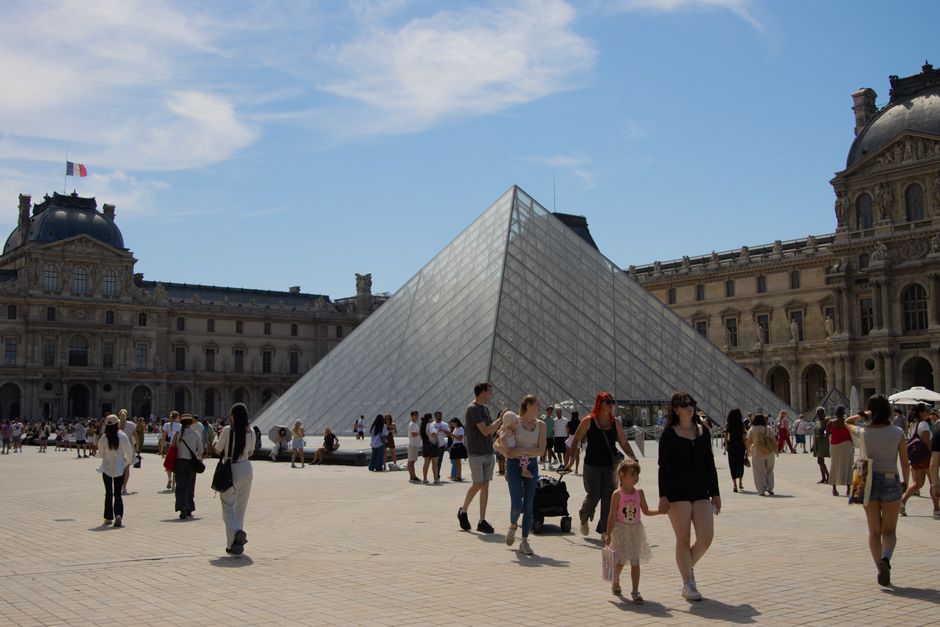
Paris Museum Pass in a Nutshell
Before you choose, it helps to understand what the pass actually does—and what it often doesn’t.
What you’re buying (and what you’re not)
A Paris Museum Pass is designed to cover admission to a specific list of museums and monuments for a set number of days. What matters for your decision is that:
- You still need to follow each venue’s entry rules (including security checks and possible timed slots).
- Some places can be busy enough that “included” doesn’t automatically mean “easy.” You may still want to plan your arrival time carefully.
- The pass typically makes most sense when you’re stacking multiple paid attractions in the same trip window.
Highlights commonly covered
If your itinerary includes several of these, the pass becomes more likely to pay off:
- Louvre Museum
- Musée d’Orsay
- Musée de l’Orangerie
- Arc de Triomphe
- Sainte-Chapelle
When it usually starts to work
You’ll generally notice value when you:
- Are staying long enough to visit several included venues across multiple days
- Prefer a “see more” plan over leaving days flexible
- Want to avoid standing at ticket counters for each major sight
Break-Even: When It’s Cheaper Than Buying Tickets
A good decision comes down to a simple math test. You don’t need exact prices to do this well—just a reliable way to compare totals.
The core calculation
Use this structure for your planned days:
- Total ticket cost (if you buy individually) = sum of the adult admission prices for each venue you’ll visit
- Pass cost = price of the relevant-day pass you’re considering
- Break-even check = (Individual tickets) − (Pass cost)
If the result is zero or positive, you’re at break-even or better. If it’s negative, the pass is costing you more.
Add “real-world” factors to the math
The biggest reason people get disappointed is assuming the pass only affects admission price. In practice, timed entry and peak demand can change your experience even when the admission is covered.
When you’re estimating, make two small adjustments:
- Timed entry effort: If you expect to reserve times for multiple museums anyway, include that as a planning cost (not extra money, but it does affect how smooth the trip feels).
- Flexibility penalty: If your schedule is already loose, individual tickets can be easier. A pass is best when you can follow the plan.
A practical break-even rule of thumb
If you’re unsure about exact totals, use a conservative rule:
- If your plan is 3+ major paid museums/monuments on separate days, the pass often starts to look attractive.
- If your plan is 1–2 big sights total, you should usually run the individual-ticket option first.
A good target is to have your planned included venues reach roughly the pass price after 2–3 admissions, depending on how many of those places you’re truly committing to.
How to Handle Timed Entries and Peak Hours
In Paris, “included” and “instant entry” are not always the same. Your pass decision gets easier once you know how timed entries work for the venues on your list.
Timed-entry requirements can still apply
Some of the biggest draws use timed entry tickets for crowd control. Even if your admission is covered, you may still need to:
- Choose a specific entry time for that venue
- Arrive within the required window
- Present the right pass/ticket combination at security
For high-demand museums, timed entry is where plans live or die—because arriving too late can mean losing that slot.
Build your day around reservations, not just landmarks
A workable approach is to time your itinerary like this:
- Put the most timed-sensitive museum first (earlier in the day is usually safer)
- Keep a “buffer” later in the day for places that are easier to enter without a strict window
- Avoid chaining two timed-entry venues back-to-back with little margin
What happens if your slot changes
Timed policies vary by venue, so the safest approach is to plan for change:
- If your travel day is disrupted (late train, long queue, weather delays), be ready to adjust the order of sights.
- If you can’t make a reserved entry time, you may need to rebook or follow venue-specific rules—so it’s better to reserve only what you’re confident you’ll attend.
Choosing Individual Tickets: When Flexibility Wins
Buying tickets one by one can feel more “painful” at checkout, but it often saves money when your itinerary is narrow—or when you want to react to how your day turns out.
Choose individual tickets if you’re doing a tight list
Individual admissions usually beat the pass when:
- Your must-see list is mostly contained to 1–2 major venues
- You want to add optional stops based on energy level and queue length
- You plan to visit smaller exhibitions where the pass coverage may not match what you care about
Choose individual tickets if you care about specific exhibition timing
For special exhibitions and particular gallery routes, you may find you prefer:
- Selecting the time that suits your pace (morning vs late afternoon)
- Avoiding days where timed slots are scarce
Even if admission is covered by a pass, exhibition access rules and recommended routes can still influence your experience.
Choose individual tickets if your dates are uncertain
If you’re not fully set on your day-by-day plan (due to weather, transport timing, or family schedules), individual tickets give you control. You can book closer to the visit and shift your priorities without feeling like you “paid for days you won’t use.”
What to Do Next
Start by listing the attractions you truly plan to enter (not just pass by): write down the 3–6 venues that matter most and the days you’ll be in each area. Then run the break-even check using your planned individual admission total versus the relevant-day pass price.
Finally, once you’re leaning toward the pass, treat timed entries as part of the booking—reserve the hardest-to-get slots first, and keep at least one low-friction museum/monument in your itinerary as a backup.