


Park Plaza Westminster Bridge sits in the Westminster–Waterloo pocket, right by the approaches to Westminster Bridge. That location is the main selling point: you can be on the river in minutes, and you’re close enough to central transport that you won’t feel stuck even if you choose to skip taxis.
Location and the Westminster–Waterloo feel
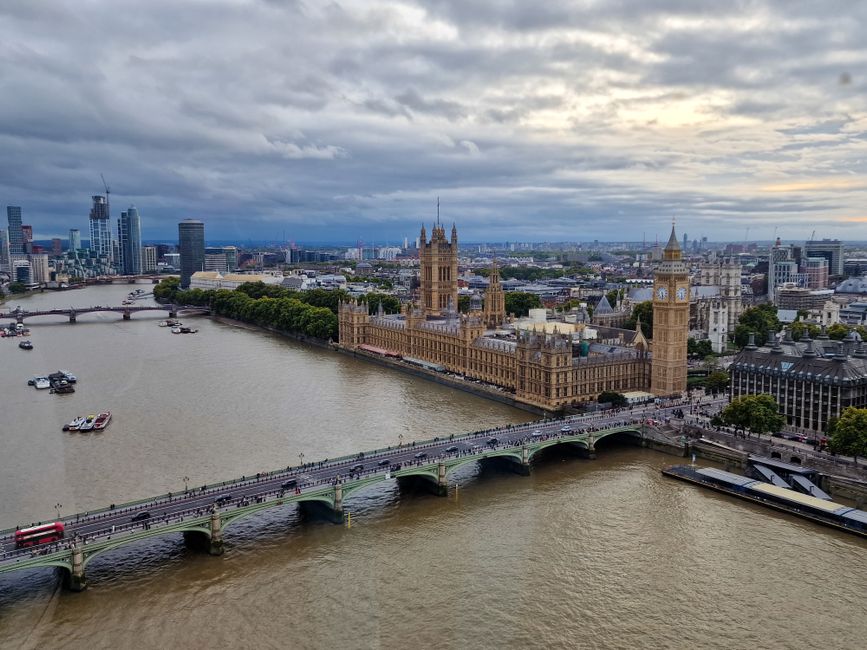
If you’re looking for charm, you’ll usually find it by walking a few minutes away from the main roads—toward the Thames embankments or into the calmer side streets. If you want maximum convenience, this is a strong fit.
Walkable highlights
From the hotel you’ll typically be walking into the big-hitter zone. Expect a mix of river views and main-road shortcuts:
- Westminster Abbey and the Abbey grounds
- Houses of Parliament and Big Ben
- London Eye and Jubilee Gardens (South Bank)
- South Bank riverside walks (theatre, street life, and promenades)
- Buckingham Palace
- Tate Britain
- Lambeth Palace area and nearby historic lanes
- Waterloo Station and the wider Waterloo dining and transport scene
Rooms and views: compact but bookable

To get the best match, focus on the room category you’re booking rather than assuming all rooms are the same. If you want more breathing room, look for the larger categories (often marketed as superior/executive or equivalent), and consider whether you need twin beds or a larger sleeping arrangement.
Upgrades and view requests that make sense
Views are one of the things travellers hope for most in this area. Realistically, you’ll want to treat “view” as partly luck and partly request—because the property’s frontage and surrounding buildings mean you may get a partial landmark view rather than a straight-on postcard.
When booking, these are the practical requests that can improve your odds:
- Ask for a higher floor to reduce street-level obstruction
- Request a river-facing or Westminster-facing room if those are offered for your dates
- Choose a room away from lifts or service corridors if noise sensitivity matters
- If you’re staying longer, favour a larger category so desk space and storage feel easier
- Confirm bed setup (double vs twin) early so you’re not making compromises after check-in
Easiest walking routes to key landmarks
Westminster-side walks (Parliament and the Abbey)
For Westminster Abbey and the Parliament area, your easiest walking strategy is to head toward the Westminster Bridge approaches and follow the pedestrian flow toward the landmark streets. This is one of the few parts of London where it’s genuinely quicker to walk than to route by Tube, because the area is compact and the sightlines are clear.
Common walking plan: set off from the hotel, aim for the Westminster direction, and follow the main pedestrian corridors toward the Abbey/Parliament zone. You’re typically looking at something like 10–20 minutes depending on pace and exactly which entrance you target.
South Bank and Waterloo-side walks (London Eye and riverside)
For the London Eye and the South Bank, the simplest approach is to walk toward the river and then keep following the riverside direction. You’ll pass through the busiest tourist strips, but the upside is that you’re surrounded by choices—coffee stops, viewpoints, and easy detours.
A typical plan is 15–25 minutes on foot for the London Eye/Jubilee Gardens area, and a bit more if you’re doubling back for galleries, viewpoints, or a theatre schedule.
“One route, several stops” approach
If you like efficiency, you can string together multiple sights in a single loop by alternating river walks with short inland shortcuts. These are the routes most first-timers find easiest:
- Westminster Abbey & Parliament: head toward Westminster Bridge and follow the landmark pedestrian corridors
- Big Ben viewpoints: use the Parliament/bridge area pedestrian paths rather than relying on indirect back streets
- London Eye & Jubilee Gardens: follow the way toward the South Bank and keep walking the riverside
- Buckingham Palace: continue eastward from the central Westminster/Parliament direction toward the palace approach streets
- Tate Britain: angle toward Millbank and the riverfront pathways for the most direct access
- Waterloo Station & the riverside: walk toward Waterloo via the embankment direction that suits your next stop
Getting around for first-timers
The simplest way to travel: Tube + short walks
For first-timers, this part of London is ideal because you can combine one Tube hop with a short walk, even if your itinerary changes day to day. Instead of trying to “solve” the whole day with one mode of transport, plan to:
- Walk to what’s closest (Westminster landmarks and most South Bank sights)
- Use the Tube for longer jumps (especially when the day includes multiple neighbourhoods)
- Rely on buses for flexible door-to-door movement when you don’t want to transfer
What nearby stations feel like in practice
You’re in striking distance of several key rail and Tube hubs. Which one is “easiest” depends on your destination, but these are the ones that commonly matter when staying here:
- Westminster (central Tube connections for major sights)
- Embankment (convenient for central riverside routes)
- Lambeth North (useful for getting toward South London connections)
- Waterloo (big transport interchange for national rail and Tube)
When you’re planning routes, check the direction you need and then choose the station that aligns best—don’t force everything through one hub.
Taxis and river options (when walking is too much)
If you’re tired after a long day of sightseeing, taxis can be a time-saver, but London traffic near landmark areas can slow things down. For a more scenic change of pace, some travellers also use riverside boat services on the Thames when the schedule fits—particularly for moving between central stops without dealing with as much cross-city walking.
If you’re considering any river option, verify service frequency for your travel dates, since it can vary.
Who Park Plaza Westminster Bridge is for
Best fit
This hotel suits travellers who prioritise location over space: couples on a city break, business travellers with meetings in Westminster/central London, and anyone who wants to do sightseeing on foot while keeping transit access close.
You’ll likely feel most comfortable if:
- You plan a “walk-first” itinerary for Westminster and the South Bank
- You don’t need a large room to enjoy your trip
- You want quick access to several transport routes rather than being locked into one line
Who may want to look elsewhere
If you’re travelling with multiple adults and need more living space, London hotels in this area can feel tight. The neighbourhood is also busy, so if you’re very sensitive to street activity, you should request a room setup that minimises noise and consider higher floors.
Next steps: plan your stay
Before you book, compare room categories and prioritise the ones that offer the storage and desk space you’ll actually use. When you choose a room, add a clear request for floor level and the view direction you want, and then plan one day’s itinerary as a “walk loop” around Westminster and the South Bank to make the location work for you.