

Departure Timing: Arrive Before the Crowd Wave
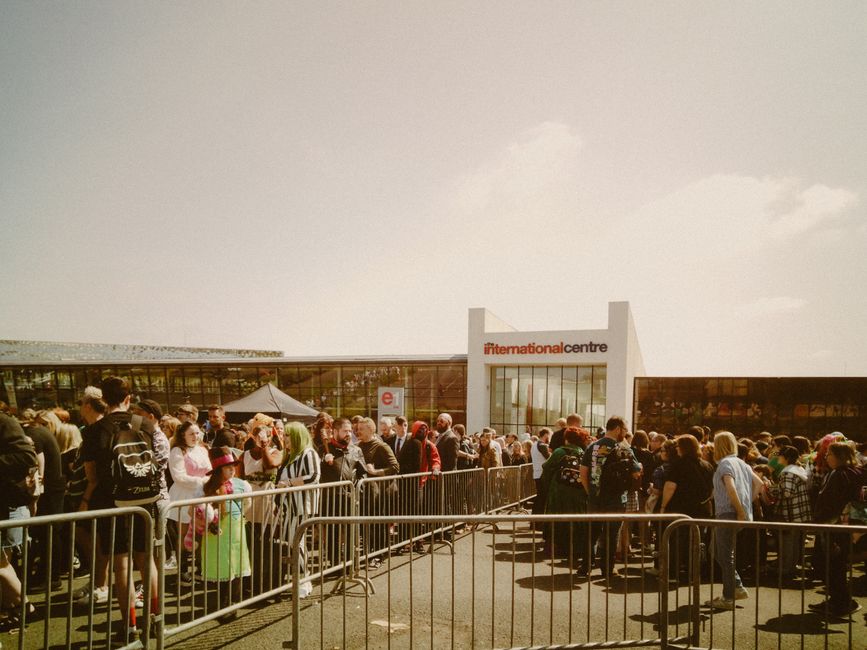
If you’re targeting a popular site on a weekend, school holiday, or peak-season evening, your best advantage is arriving while the first wave is still processing. That means building your plan around when people actually start showing up, not only around your appointment time.
Pick a realistic arrival window (not just a target time)
For peak crowds, aim for an arrival window early enough that you can still choose a slower entry lane if needed. A practical approach is to select an arrival time that gives you margin for:
- transit delays (even if your route looks straightforward)
- security or bag checks
- ticket redemption or QR scans
If the attraction uses timed entry, align your arrival with the window your ticket expects—but don’t treat the start of the window as your “arrival time.” Treat it as your “you should be through the entrance” time.
Account for the slowest part of the journey
Station-to-entrance routing can be fast on paper and slow in reality. The slowdown often comes from crossings, queues for lifts/escalators, or pinch points near entrances. When you schedule departure, assume the route will be at least as slow as the busiest part you saw on your travel check.
Use “arrival readiness” signals
On the day, you want confirmation that your plan still holds. Check common signals like:
- crowding trends on nearby transport lines
- any queue information displayed around the site or on public signage
- whether bag checks or accessibility lanes look overloaded
If you see a major mismatch between your expectations and the reality on the ground, it’s better to adjust early (earlier exit from transit, reroute walking path) than to arrive locked into one plan.
Station-to-Entrance Routing: Choose the Right Exit and Avoid Funnel Points
A good route is the one that keeps you moving in the same direction as the crowd—without forcing you to cross back through it.
Map exits, not just distance
Many station layouts funnel foot traffic toward a small number of station exits. Even if two entrances are the same distance, one may require a crosswalk at a busy junction or a detour that makes you walk against the crowd.
Before you leave, pick the station exit that:
- reduces street-crossing in both directions
- keeps you on the same side of the road as the site approach
- avoids narrow underpasses that become bottlenecks
Plan for the last 10–15 minutes on foot
The last segment is where people slow down: they stop to check tickets, scroll for directions, or group up. If your route passes through a crowded forecourt, choose a path that offers alternate routes if the main approach becomes blocked.
Look for practical routing features like:
- wider sidewalks near transport stops
- open squares or frontage areas where people can spread out
- clearly marked pedestrian signs toward the site
Follow flow indicators instead of guesswork
Peak crowds often come with subtle “guidance” already in place—rope lines, directional signage, or staff directing people toward specific entrance sections. If you arrive and see queues forming for one entrance but not another, use the signage and staff cues to steer rather than trying to recreate your map.
Ticket and Entry Strategy: Pick the Approach That Matches Peak Conditions
Tickets are not just about access—they’re about how you’ll be processed. At peak times, the “fastest” option is usually the one that reduces time spent waiting for the same thing in a crowd.
Use the ticket type to control your queue
Different ticket/entry models create different bottlenecks:
- Some require redemption before you can join the main queue.
- Some require timed scheduling but still include security screening.
- Some are flexible but increase uncertainty, which makes peak-day waits more likely.
Choose the entry approach that fits your risk tolerance
If you want the shortest disruption risk at peak times, choose the approach that gives you the most predictable processing.
- Timed entry with a specific arrival window: helps you arrive when the site is ready for your batch, reducing random waiting.
- Guided entry/tour packages (when they include entry): often bundle you into a scheduled group flow that can move more predictably than general admission.
- Tickets that include security/queue lane handling (where offered): reduce time stuck behind people doing ticket redemption or oversized-bag checks.
- Membership or annual passes (if you can use them instantly): can avoid some redemption steps, but confirm whether peak days still require reservation.
- General admission (only if you can arrive early): use this when you’re willing to do a bigger queue trade-off for lower cost or flexibility.
- On-the-day standby/lottery-style entry (if available): works best when you have a flexible plan and are comfortable with uncertainty.
- Multiple entry options (same venue, different entrance/entry point): if your ticket lets you choose, select the entrance that aligns with your route from the station.
Avoid common entry mistakes
Peak-day slowdowns often come from avoidable issues:
- showing up at the wrong time for timed entry and then needing manual assistance
- arriving without the ticket method the entry system expects (e.g., forgetting the confirmation code or the device you planned to use)
- assuming staff will redirect you instantly if you end up at an incorrect entrance section
Buffer Advice for Peak Crowds: Build Margin Where Delays Actually Happen
A buffer is only useful if it’s placed in the right part of the plan. On peak days, the delays that matter are usually the ones you can’t “walk faster” out of: queue processing, security checks, and ticket redemption.
Add buffer based on crowd intensity, not optimism
When the day is clearly at peak demand, your buffer should cover both processing time and “micro-stalls.” Even a small pause—someone missing their group, a device scanning slowly, a bag needing extra checks—can ripple through a line.
A simple rule: if your route is already tight, increase your buffer rather than squeezing it with a later departure.
Build time for decision-making
You should not only buffer time for walking and waiting, but also for making quick routing decisions after arrival. For example:
- if the entrance you planned is overloaded, how quickly can you pivot?
- if signs change or lanes close, do you have enough margin to rejoin the correct flow?
If you miss the timed component, treat it as a re-plan—not a panic
Peak-entry systems often have policies for late arrival. If you’re running late, the best strategy is to seek staff guidance early rather than trying to force your way in. You’ll waste less time if you ask what your ticket can still do and whether you should rejoin a different queue or accept a later entry.
On-the-Day Checklist: Keep Things Smooth After You Arrive
Once you’re close to the entrance, the goal is to remove friction from the steps that create queues.
Make your ticket method effortless
Before you reach the ticketing area, verify that:
- you can access the confirmation method you planned to use
- any required identification is on hand
- your device is charged or you have an alternative (like a screenshot or backup access method)
Reduce extra stops near the entrance
It’s easy to lose time in the final approach zone—people stop for food, photo spots, or last-minute direction checks. If you need anything essential, grab it earlier in the journey so you arrive focused on entry.
Keep a fallback plan for routing and pacing
Even a good plan can meet a closed lane or an unexpected crowd shift. Your fallback should be straightforward: know a second entrance approach (or a nearby meeting point where staff can redirect you) so you’re not searching while the queue thickens.
What to Do Next
Start by choosing your target arrival window based on peak crowds, then translate that into a departure time with realistic transit and security margin. Next, decide your ticket/entry approach based on how predictable you want your queue to be, and end by adding buffer for last-mile routing decisions once you’re near the station and entrance.